What do the lootings of luxury stores express?
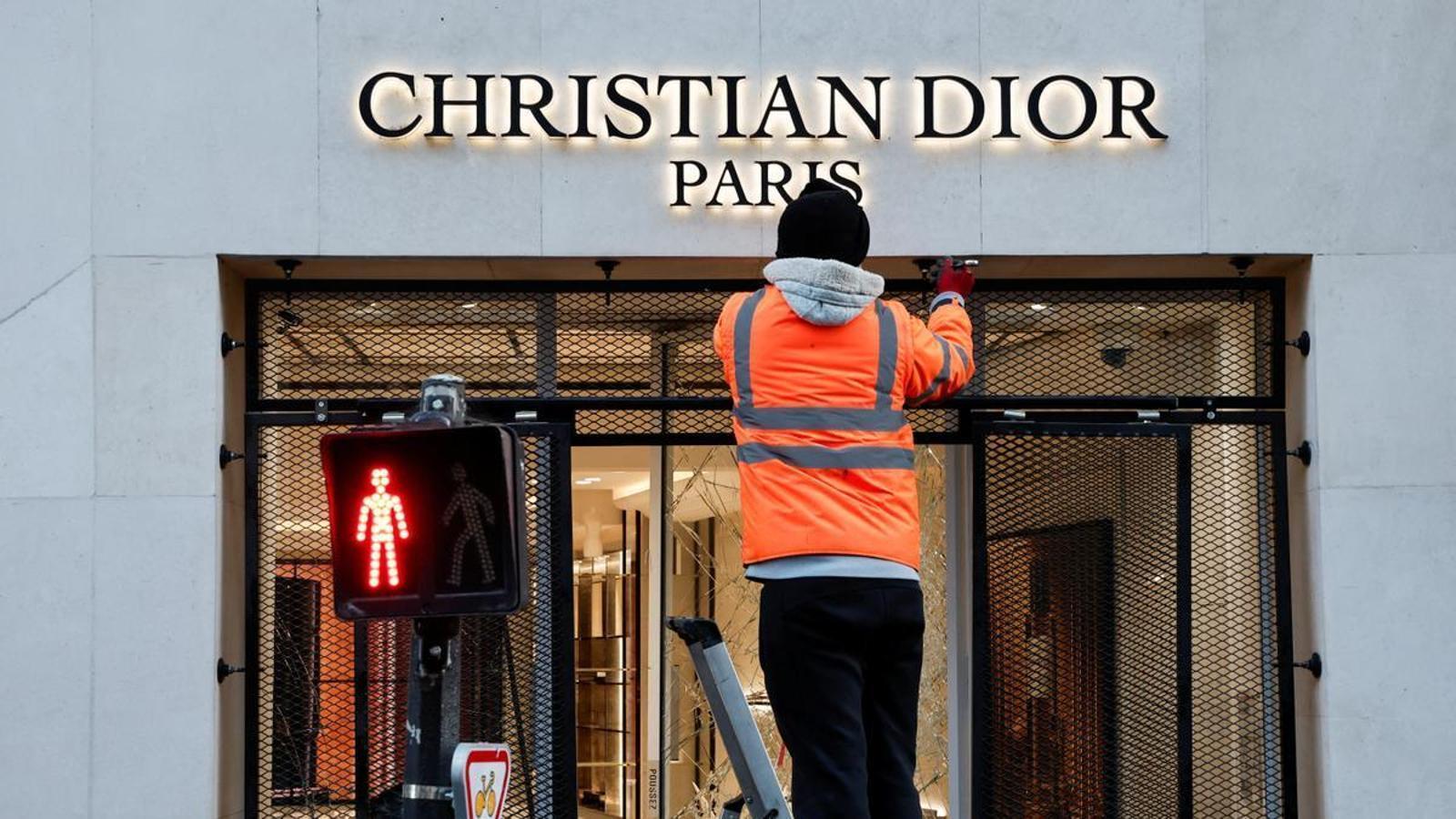

Smashed shop windows, emptied stores, luxury bags disappearing in mass. On October 17th, several French luxury houses were looted during a day of social protests across the country. Dior, Celine, Hermès, Louis Vuitton… These are not just any shops, but temples of exclusivity, showcases of a sector that trades on distinction—and social inequality. The looting occurred in the context of the French student mobilizations, which demand more resources for public education, more teachers, better infrastructure, and more equal opportunities. But what does demanding quality public education have to do with looting a boutique of luxury?
The May 68 revolts in France began in the universities, eventually spreading to the factories and leading to a general strike. Beyond educational and labor demands, the movement called for a profound transformation of society and power relations. A fact that explains why some protesters attacked the Paris Stock Exchange, perceived as a symbol of capitalism. Going back even further in time, shortly before the French Revolution of 1789, a popular riot took place at the wallpaper factory of Jean-Baptiste Réveillon: an enriched businessman who lived in a luxurious residence in a context of scarcity. The French Revolution was accompanied by a moral condemnation of luxury, understanding it as a fundamental tool for the articulation of power and the visualization of inequalities.

Many protests of very different natures end up accompanied by looting of shops, from the revolts against police violence and racism in the Rodney King case in 1992 in Los Angeles, to the yellow vests who, in 2019, were demonstrating over the rise in the cost of living and budget cuts, incompatible with greater social equality. In the protests in Catalonia, the ruling on the Procés in October 2019 gave rise to looting of sportswear shops and the imprisonment of Pablo Hasél in 2021 was accompanied by attacks on establishments on Passeig de Gràcia, the Barcelona Stock Exchange and the Palau de la Música.
In many of these episodes, the looting had not been planned in advance and, in some cases, it was carried out by groups disconnected from the demands. But just because an action does not respond to a conscious political critique does not mean it is devoid of social meaning. We must avoid both the idealization of looting and the mistake of turning it into a stain that devalues the protests as a whole. Taking an Hermès bag or branded sneakers may respond to opportunism, but this does not necessarily make the act apolitical. They must be inscribed in a society articulated around consumption, which promises us success, happiness, and recognition through the objects we possess. Luxury represents the pinnacle of this aspirational promise: a milestone within the reach of few, but presented as an emblem of personal success.
Far from justifying or legitimizing looting, it is important to read them in a context of growing social tension. At a time like the present, in which the capacity of the welfare state to guarantee such fundamental rights as public education, healthcare, or pensions is questioned, the proximity between opulence and precariousness becomes increasingly difficult to ignore. Perhaps, then, the question is not whether the looting is political or opportunistic, as if one thing excluded the other, but what they tell us about a society that turns consumption into a promise of personal fulfillment while restricting access to it unequally. Faced with an economic system that seems too abstract and powerful to be transformed, an Hermès bag becomes a tangible piece of loot: a way to snatch something from it, even if it is infinitesimal.
