Bars that only serve milk, a healthy trend in Kigali
In Rwanda, small establishments where one can drink fresh or fermented milk are proliferating, a unique social and cultural phenomenon
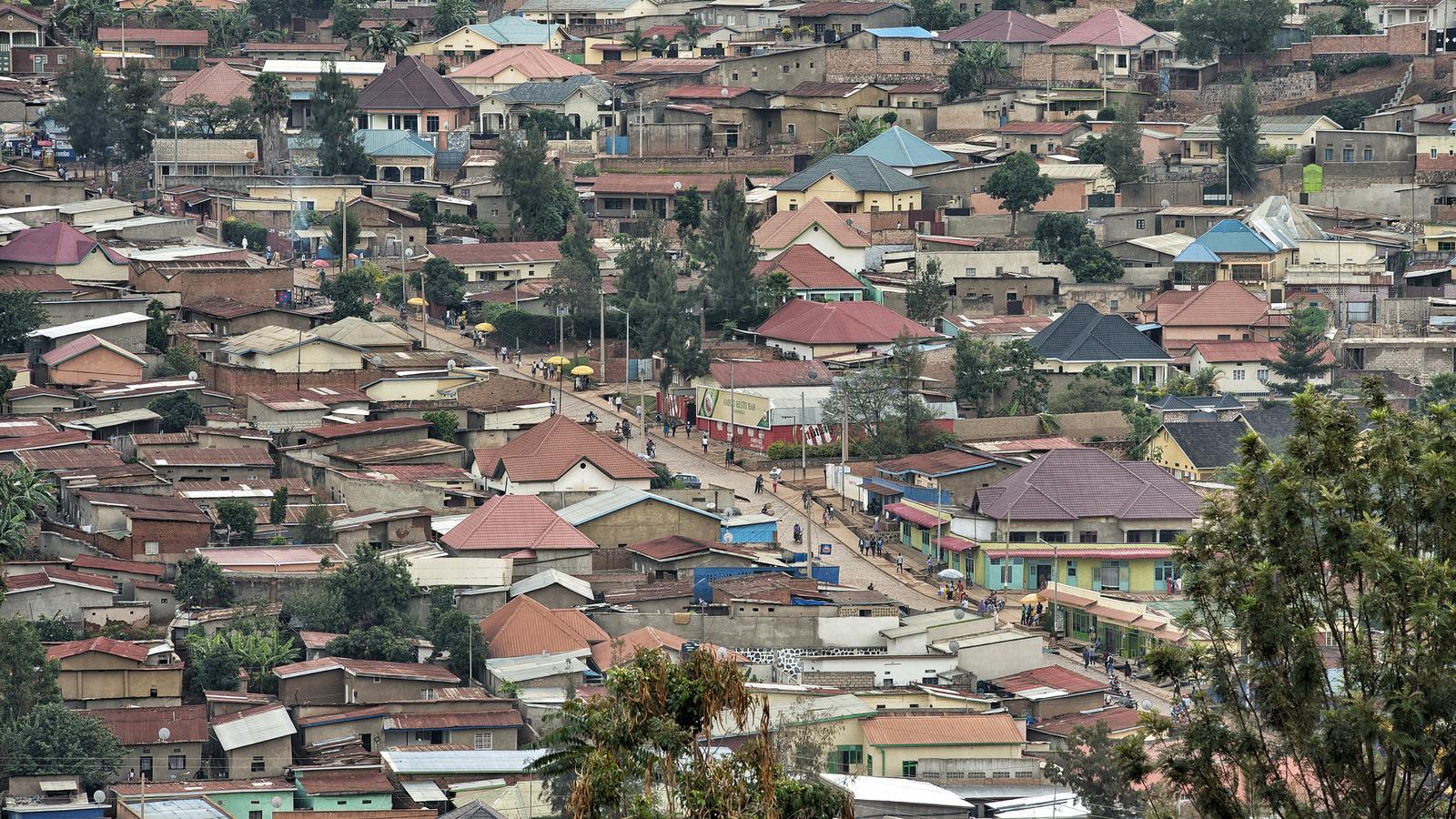
-
CAT -
CAST
Cows are very important to Rwandan culture and symbolize wealth, prosperity, and identity, and are still used today to pay a bride price or to give as a gift. Since Paul Kagame's government implemented the program called Girinka in 2006, after seeing the extent of malnutrition and stunting among Rwandan children, milk production and consumption have doubled. The program was established with the central objective of reducing childhood malnutrition rates and increasing the household incomes of poor farmers. These goals are achieved directly through increased access to and consumption of milk, by providing a cow to families.
Milk is, as a result, also culturally very important. In the mid-1990s, the city of Kigali in Rwanda was full of small metal and wooden kiosks with the sign "Amata na Fanta Bikonje (cold milk and soft drinks), but they disappeared with the urban planning to beautify the streets of the capital, and gave way to the current establishments known as milk bars.
When Hasna Biryogo, 33, got married three years ago and planned to start a family, she left her job as a shop assistant and decided to start her own business, thinking above all about what she could offer her future children. She opened a milk bar in Nyamirambo, the Muslim quarter of Kigali. Yes, a milk bar. As strange as it may sound, it is a widespread business in the capital of Rwanda, where milk is basically served, whether fresh or fermented. These are the so-called amata meza or milk zone.
Her place is simple and clean, almost spotlessly white. A 300-liter milk cooling tank dominates the entire room. A couple of tables and several white plastic chairs, along with a small counter at the back, make up the rest of the space. "My initial investment three years ago was the purchase of this milk container and an order of 200 liters of milk," she tells us while she doesn't stop serving her customers, going back and forth from the tank to the tables with a large jug of milk in her hand, "and since then I haven't stopped selling," she adds proudly.
She serves continuously from eight in the morning until ten at night, and throughout the day there is a constant trickle of customers who consume about 200 liters of milk a day. "Customers who come at midday have the milk here, plain or with some refreshment, and it serves as their lunch, while most of those who come in the afternoon fill their milk cans to take home," she comments, satisfied. In addition, every morning before opening, Hasna delivers milk to various hotels, restaurants, and cafes in the area.
Hasna explains to us that her milk comes from Nyanza Milk Industries Ltd., the second largest dairy company in the country, and that the market for amata meza in Kigali is basically divided between the two largest industries in the sector, Inyange Industries Ltd. and Nyanza Milk Industries Ltd., which open milk bar franchises throughout the city, and the amata meza independents from other smaller or family dairies that are supplied by small farmers.
A serving of milk as a lunch substitute
We only have to walk a couple of streets to find ourselves at Alexis's Inyange milk zone It's twelve noon, rush hour, and about twenty boda-boda drivers, the motorcycle taxis that flood the city, are taking a break and chatting animatedly while having their portion of milk, which for many will serve as a substitute for lunch that day. Alexis Musoni, 26, works in one of the 76 Inyange milk zones currently in Kigali. Inyange Industries, Rwanda's leading agricultural product processing company, opened its first milk zone in Kigali in 2014, selling pasteurized milk at half the price of its packaged milk, and at that time initiating the proliferation of milk bars in the Rwandan capital, which have been replicated in all districts of the city.

"We opened just ten months ago and have not stopped serving our customers from seven in the morning until ten at night," Alexis tells us as he fills a take-away milk jug from the enormous steel refrigerator that occupies practically the entire space. In the small premises, there is barely room for the large container of fresh milk, a refrigerator with other dairy products from the company, such as yogurts and some juices, a shelf with mineral water, a chair, and a small counter acting as a barrier in front of the door. Most customers bring their own containers and buy milk daily to take home, others drink jugs of fresh or fermented milk in one gulp standing on the street in front of the counter, while others pass the time at the tables of the neighboring bar, whose business has been boosted and new clientele brought by the arrival of the milk zone.
Elie Niyishobora, 23 years old, entered this market just two months ago. He partnered with his childhood friend Athanase Hafashimana, 24 years old, and after thinking about what business they could start together, they decided to open a small amata meza, as it did not require a large investment. "In the beginning, the business worked very well, but we have been losing customers in recent weeks," Elie tells us with a resigned smile. His premises are small and dark, with low tables and stools and a counter with all kinds of snacks to accompany the milk and several thermoses with hot milk, white coffee (hot milk with a little tea) and cereal-based porridges. Every morning the milk delivery man arrives with his bicycle and delivers him 10 liters of milk from a nearby farm, which is all that Elie manages to sell in a day, unlike his neighbors Hasna and Alexis, who sell between 150 and 200 liters of fresh milk per day.
In front of the popular Kimironko market, in Kigali, there is a milk bar where people constantly enter and leave. The place is spacious and apart from the large milk container at the entrance, there are several tables where customers gather. The hustle and bustle is incessant, while a child in a school uniform calmly dips his biscuit into a jug of hot milk, two men are bringing in milk cans that they unload from a small truck. Antoine Muyange, 37 years old, serving the tables and Madeleine Uwera, 34 years old, serving milk to go from a window that opens onto the street.
We struggle to find a place until a lady of about 50 years old signals us from the back of the room and makes us a space next to her. In perfect French, Marie Médiatrice Mukamabano explains her life to us while she sips a large jug of ikivuguto (fermented milk). "I came to the city to visit a friend, and before taking the bus back, I went into the amata meza to have some milk, as it is cheap, nutritious and fills me up," she tells us between laughs. This jug of milk will be her meal until she returns home to the Rwamagana district, about two hours from Kigali.
