Eli Maragall: the Olympic goal and a life away from elite sport
After scoring the goal that gave gold to Spanish field hockey, he left the national team and studied tourism, a sector in which he has been an entrepreneur for 25 years
-
CAT -
CAST
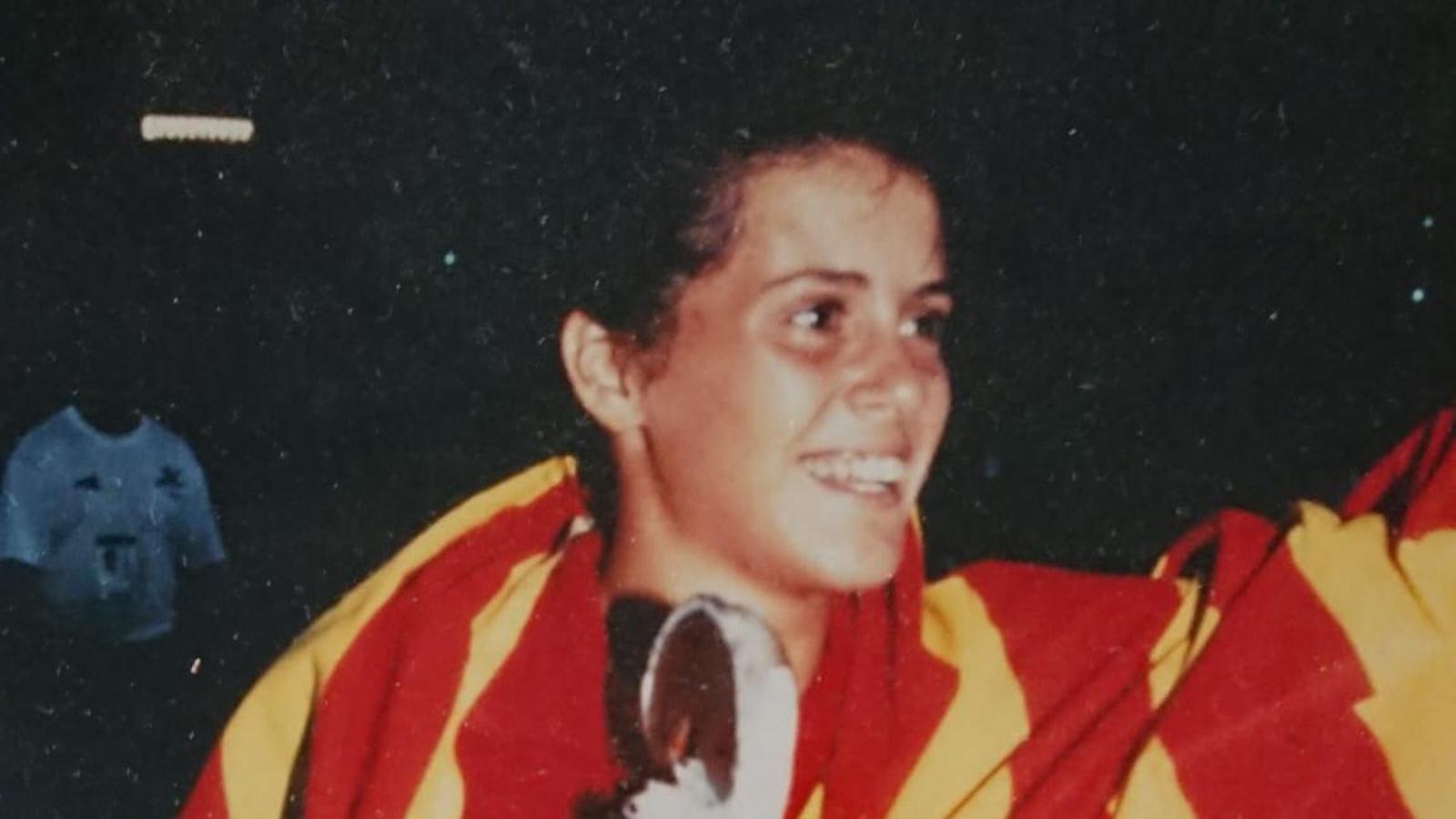
BarcelonaIn 1992, Eli Maragall scored the goal that gave the Spanish men's field hockey team the gold medal at the Barcelona Olympic Games. Thirty-four years later, her life has little to do with that moment of glory. "I am a totally normal person," she explains to ARA. She works at a travel agency that she founded herself in 2001 and which celebrates its 25th anniversary this year. She designs trips and takes clients all over the world. And on the street, almost no one recognizes her.
Maragall was 21 years old when he decided that the Games would be the final point of his time with the national team. He had started playing at 15, and juggling elite sport with studies had not been easy. After Barcelona 92, he left the national team but not hockey: he continued playing at club level while starting his tourism studies at CETT-UB. At 26, he finished his degree, and after working in various jobs, he decided to take the step of opening his own business.
The choice was not accidental. Travel already sparked his curiosity as a child. He remembers telling his mother one day that he wanted to go to Switzerland, and his mother took her and her sisters and took them there by van. But it was with the national team that he discovered how much he liked to travel: getting on a plane and appearing in some exotic place. That hobby would eventually turn into a profession.

However, he didn't completely disown the Olympic stage. Right after the Games, he took a group of six and seven-year-old girls to train them for a couple of years. He continued playing until he was 30, when he left hockey at the state level. A few years later, however, he returned to compete in a Second Division league and played for four seasons, until the end of 2019. The pandemic finally interrupted that stage.
He is preparing for a return to the turf
Now she has rediscovered it in another way. This year she has joined her lifelong teammates from her team, Junior de Sant Cugat, in the 7x7 Vintage League. Approximately one match per month, "without the pressure of competition and with the desire to have a good time". “We like being together,” she summarizes. Hockey is no longer a profession or an obligation: it is a way to reconnect.

The goal in the Olympic final, on the other hand, continues to be part of her history. The surname too. Maragall is the niece of Pasqual Maragall, former president of the Generalitat and mayor of Barcelona during the Games, but she assures that this has not conditioned her day-to-day life. Coincidence led her to compete in the Games with the Maragall surname, and after scoring the winning goal, that coincidence took on a special dimension.
She is aware, however, that the surname has contributed to keeping her more present in media memory than some of her teammates. "They call me because I have this surname," she admits. Over the years, she has even urged the media to give more voice to the other champions: they all won that medal, even if she was the one who scored the last goal.
Today, however, Maragall does not live waiting for that night. She is a travel consultant and designer, she spends a good part of the day working and maintains a discreet life. Elite sport is a thing of the past, but not entirely. From time to time she puts on her sneakers again, picks up her stick and meets up with the same players with whom she shared the most important moment of her career.

