Araceli Segarra's most terrifying night... or the most special?
"With time memories lose precision but gain meaning", reflects the mountaineer, on human memory

-
CAT -
CAST
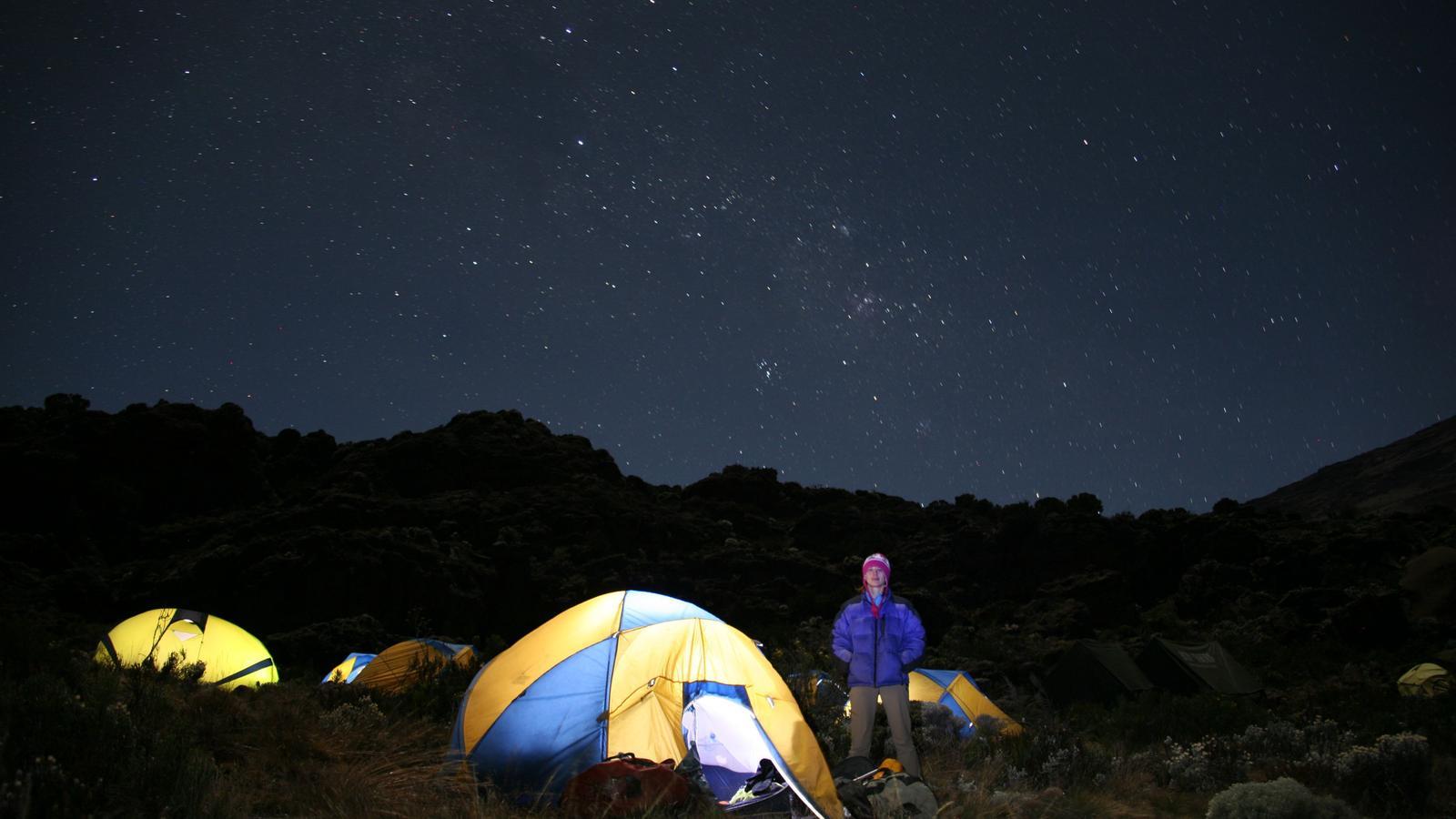
The most special summer night of Araceli Segarra's life was also one of the most terrifying of her life. She was 20 years old and had three months of summer freedom, which she spent between Ireland and Kenya. In Ireland, she was working at a YMCA, and in Kenya, she went with some friends, with the aim of climbing Mount Kenya, the highest mountain in Africa after Kilimanjaro. The mountaineer remembers that experience as one of the most impactful: “We slept halfway up the wall and had a serious setback: our little stove fell out of our backpack, and then we couldn't melt snow. When we faced the return, we had been a day and a half without water. My companions wanted to go back to where we had slept the night before, which was closer, but there was no water, and I decided to go alone to base camp, where I would find water, even though I would have to walk a few more hours. We separated, and I spent all those hours walking alone at night through Kenya. For me, it was a transformative night, I faced many mental obstacles, and I feel it made me very strong. It was a very tough night, during which I was afraid: of not remembering the way, of someone coming and finding me alone... And at the same time, it was very beautiful. I remember arriving at base camp and throwing myself into the lake as if I were one of those leopards that drink water like crazy, without purifying the water or anything.”

In Segarra, the exercise of remembering that summer night so many years ago leads her to reflect on how human memory works. “I am quite sure that my memory must have rewritten some parts. Over time, memories lose precision but gain meaning. Surely rewriting or idealizing a distant past is also a resource of our mind for survival. In life there are painful and stressful experiences, people who have hurt us and events that have traumatized us, but we are made to survive, and rewriting these experiences is part of our survival,” she theorizes.
Summer nights, Segarra adds, often leave her with many questions about existence. “One of the things I like most to do in the summer is to see the Milky Way without light pollution. You realize how small you are. However, sometimes you can end up quite lost looking for the meaning of life. I don't think there is an answer, or I haven't been able to find it yet. When I see the night sky, I think: 'I am small, but right now I exist within this immense vastness.' And what joy, right? Because I exist, but I could not exist.”
