Kilian Jornet's new crusade: to save the essence of mountain running
The Catalan athlete denounces the dangers of overcrowding in races and joins the effort to certify the sustainability of the events.

-
CAT -
CAST
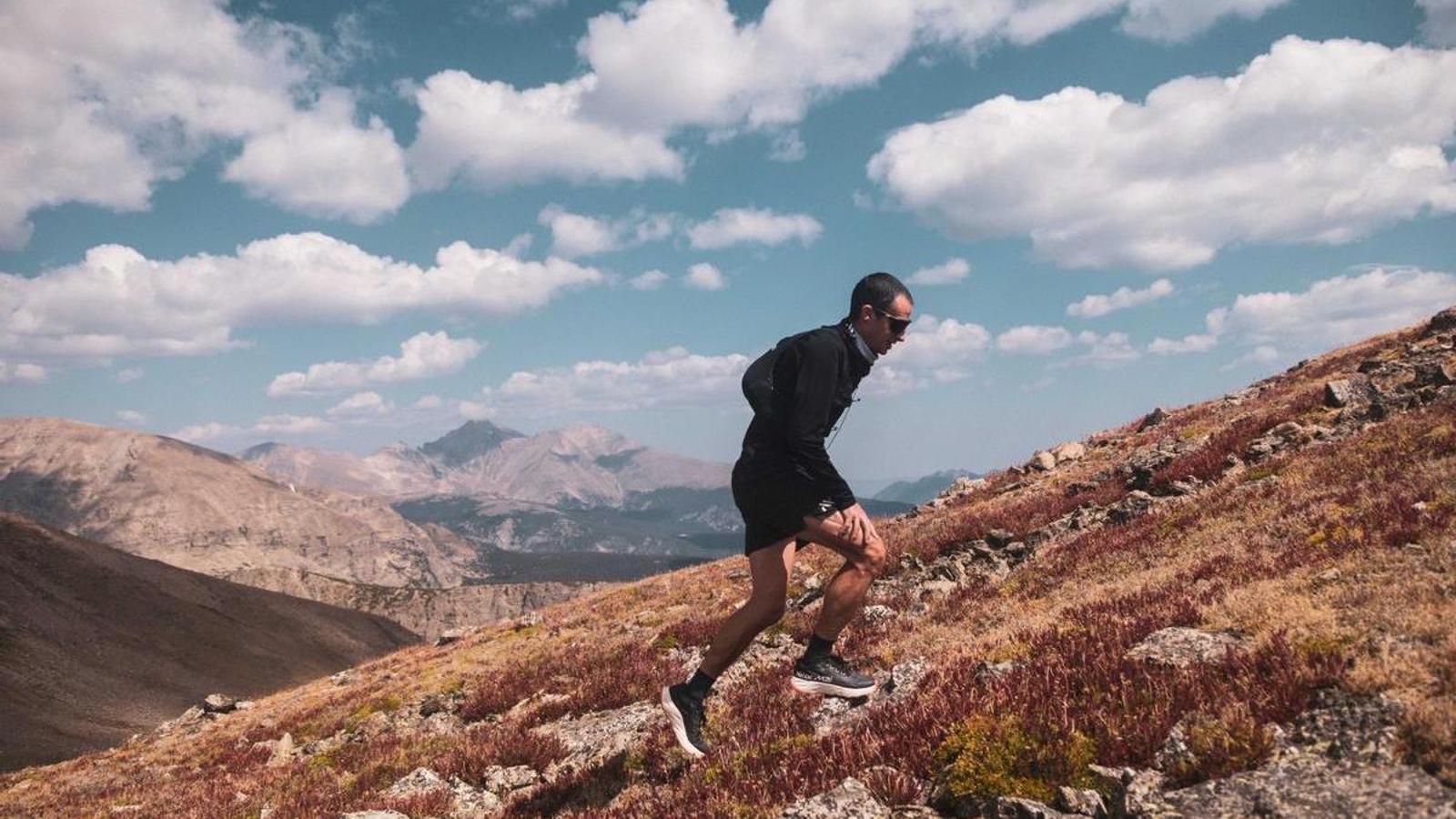
BarcelonaKilian Jornet never stops. A few months ago he surprised everyone with his journey linking the highest peaks in the United StatesNow, the Catalan athlete has raised the alarm about the dangers threatening a sport he loves: mountain running. The more reflective and outspoken Jornet has decided to sound the alarm after witnessing how this amateur sport, where the connection with nature was key, is evolving into scenarios where he doesn't feel entirely comfortable. He has done so through a written statement and by participating in an initiative that aims to offer solutions to save the essence of the races, ensuring, first and foremost, that they respect nature—a crucial element.
A few days ago, Jornet published an article on the portal Mtnath titled "Trail running 2026, where we are now and where we are going" where he analyzes the growth of this sport, which has prevented many races from expanding further, as they cannot accommodate more athletes participating in races through natural environments. One of the points Kilian Jornet has analyzed is precisely the possibility of mountain running being included in the Olympic program, whether in the Summer or Winter Games, since the International Olympic Committee is debating whether it is necessary to introduce mountain sports without a home venue into the Winter Games program. "Becoming an Olympic sport doesn't really mean that the sport will become more well-known and that participation will increase. If we look at all Olympic sports, most are niche, and only the best athletes can make a living from them. Popular sports are popular regardless of being in the Olympic Games. Mountain running is somewhere in between. The number of top athletes compared to the vast majority of sports and the sports industry isn't particularly beneficial for the sport." trail running "In general," he writes. Jornet believes that Olympism could bring this sport to other countries, as a positive aspect, but there is also a risk that it will become more elitist and lose its essence.
In fact, what the Catalan speaker doesn't consider is how the economic model of racing is evolving, remembering that "20 years ago nobody made a living from it" trail"And now it's becoming a sport for the wealthy," since "with entry fees often exceeding 300 to 500 euros, the economic barrier to entry has never been so high. This 'inertia of the big race' has been gaining strength, creating a difficult environment for the local and low-cost races traditionally organized by small clubs or associations." According to Kilian Jornet, many athletes still value races for their essence, but a more professional, economic trend is taking hold, where competing is prioritized for prize money and increasingly expensive trips. This path, of course, also opens the door to an anti-doping policy that is still not strong enough.
The arrival of China
And all this while a new player enters the scene: China, where increasingly competitive races and a new scene of fit runners are emerging. "With more than 8 million active runners and a 9.2 billion yuan equipment market, some of the most lucrative and highest-participation races of 2026 are increasingly located in the provinces of Sichuan and Yunnan. Circuits like the Golden Trail Series are offering bigger prizes and also increasing the number of races there," writes Jornet. "The future will depend on balancing globalization with accessibility, and preserving the essence of a sport born to run in the mountains, not to parade around prefabricated courses," he concludes in his article.
A new initiative
To provide solutions, in 2026 Jornet has taken a step forward by leading, through his Foundation, the Green Trail Concept, a European initiative that seeks to redefine how races are organized trail running through the first specific sustainability certification. The project, co-financed by the European Union's Erasmus+ program and developed with the contribution of the Kilian Jornet Foundation, has as its main mission the preservation of the mountains and their environment, providing experience and strategic vision to ensure that races respect nature and generate a positive impact on local communities.
This is a digital tool where up to 65 indicators are assessed, such as the route, protection of flora, waste management, use of plastics, travel, money invested, presence of local businesses, and impact on communities. Green Trail Concept It allows participants to complete an online questionnaire, which enables them to rate races in different categories: gold, silver, bronze, or no certification if the results are unsatisfactory. The project proposal was presented in 2023 at the Salomon Ultra Pirineo and, after years of work, has already been tested in races such as the Zegama-Aizkorri Mendi Maratoia in the Basque Country and the Österlen Trail in Sweden. In fact, the popular Zegama-Aizkorri will be the first race certified by the project in 2026.
Return to the Ultra Trail du Mont-Blanc
One of the factors this project values is its carbon footprint, an area Jornet highly values. For years he has been working to reduce his carbon footprint as much as possible by forgoing air travel, trying to take a trip outside of Europe each year, and prioritizing other modes of transport when traveling around the continent from Norway, where he lives. In fact, today he confirmed his 2026 schedule, which includes his highly anticipated return to the Ultra-Trail du Mont-Blanc, a race in which he shares the record for victories with Frenchman François D'Haene. Jornet will also participate in the Sierre-Zinal in the Alps and the Western States 5K in California, his only race outside of Europe. He has already published a detailed report of his carbon footprint in 2026. Athlete Progress ReportA document that includes not only data on the carbon footprint, but also the criteria behind each movement, the work done through the Kilian Jornet Foundation, the changes driven by NNormal and the commitments made for the future.
