The WHO declares the Ebola outbreak in Congo an international public health emergency
The identified virus type, Bundibugyo, has no vaccine or specific treatment and would have caused at least 88 deaths
-
CAT -
CAST
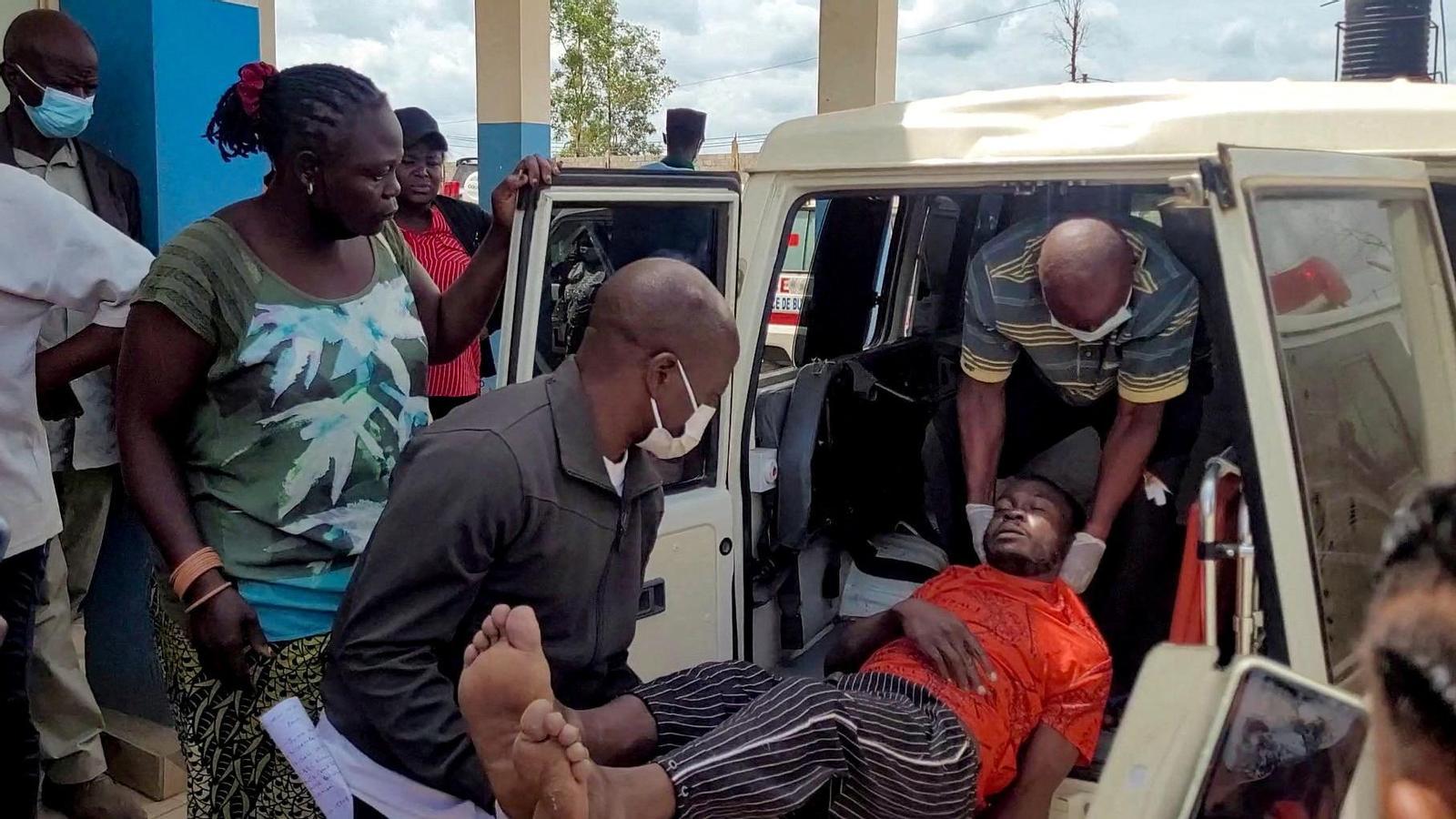
BarcelonaThe Ebola virus has once again become the center of international health alert after the World Health Organization (WHO) declared on Saturday the new outbreak in the east of the Democratic Republic of Congo as a "public health emergency of international concern". According to available data, at least 336 probable cases and 88 suspected deaths have been registered in a disease that mainly affects border areas with Uganda –where two cases have been confirmed–, although it has also been detected in the Congolese capital, Kinshasa, far from the initial focus. The geographical spread is of particular concern to health authorities, as it indicates a potentially wider transmission than initially detected.
emergencia de salud pública de interés internacional
public health emergency of international concernThe type of virus identified in this new outbreak is the Bundibugyo strain, a particularly problematic variant because there is still no approved vaccine or specific treatment for it. This forces authorities to rely exclusively on classic public health measures: isolation of cases, contact tracing, and strict control of infections in hospitals.
The WHO considers the risk to be high for the East Africa region, especially due to the intensity of cross-border movements between Congo, Uganda, and neighboring countries like South Sudan. Nevertheless, the organization does not consider the outbreak to yet meet the criteria to be declared a global pandemic, despite its potential severity. Experts emphasize that the context is particularly vulnerable: displaced populations, limited healthcare infrastructure, and hard-to-reach areas create a scenario where early detection and epidemic control become very complicated.
Zoonotic origin
Ebola is a zoonotic pathogen that circulates naturally in bat populations and was already present in West African forest environments long before the major human outbreaks. The turning point came in 2013 in a remote area of southern Guinea. According to epidemiological research, the outbreak would have begun when two children came into contact with bats in a hollow tree and, subsequently, these animals were consumed as food within the community.
This contact allowed the virus to jump to humans. From that moment on, it spread uncontrollably through Guinea, Sierra Leone, and Liberia, causing nearly 30,000 infections and around 11,000 deaths between 2013 and 2016. It was the largest Ebola outbreak ever recorded. The initial lack of diagnosis was decisive: months passed before the virus was correctly identified, and when it was confirmed, it had already spread beyond the initial focus, including large urban centers. Another outbreak in 2020 caused at least 2,200 deaths.
One of the most disturbing legacies of that epidemic is the realization that Ebola can persist in some survivors for very long periods, especially in immunologically protected tissues such as the testicles. In some cases, relapses years later have been documented linked to sexual transmission from survivors.
This phenomenon has opened a complex field of research on the virus's latency and its persistence mechanisms. Even today, scientists are trying to determine how long it can remain infectious in certain body fluids.
The comparison between the current outbreak in eastern Congo and the West African outbreak is inevitable. In both cases, common factors are late detection, population mobility, and insufficient health structures to contain the initial spread. WHO experts warn that surveillance systems in some areas have been weakened in recent years by a lack of resources, which may have contributed to the current late detection. The challenge, according to epidemiologists, remains the same: detect earlier, act faster, and prevent small invisible outbreaks from becoming regional crises.
