Getting vaccinated is vital: everything you need to know
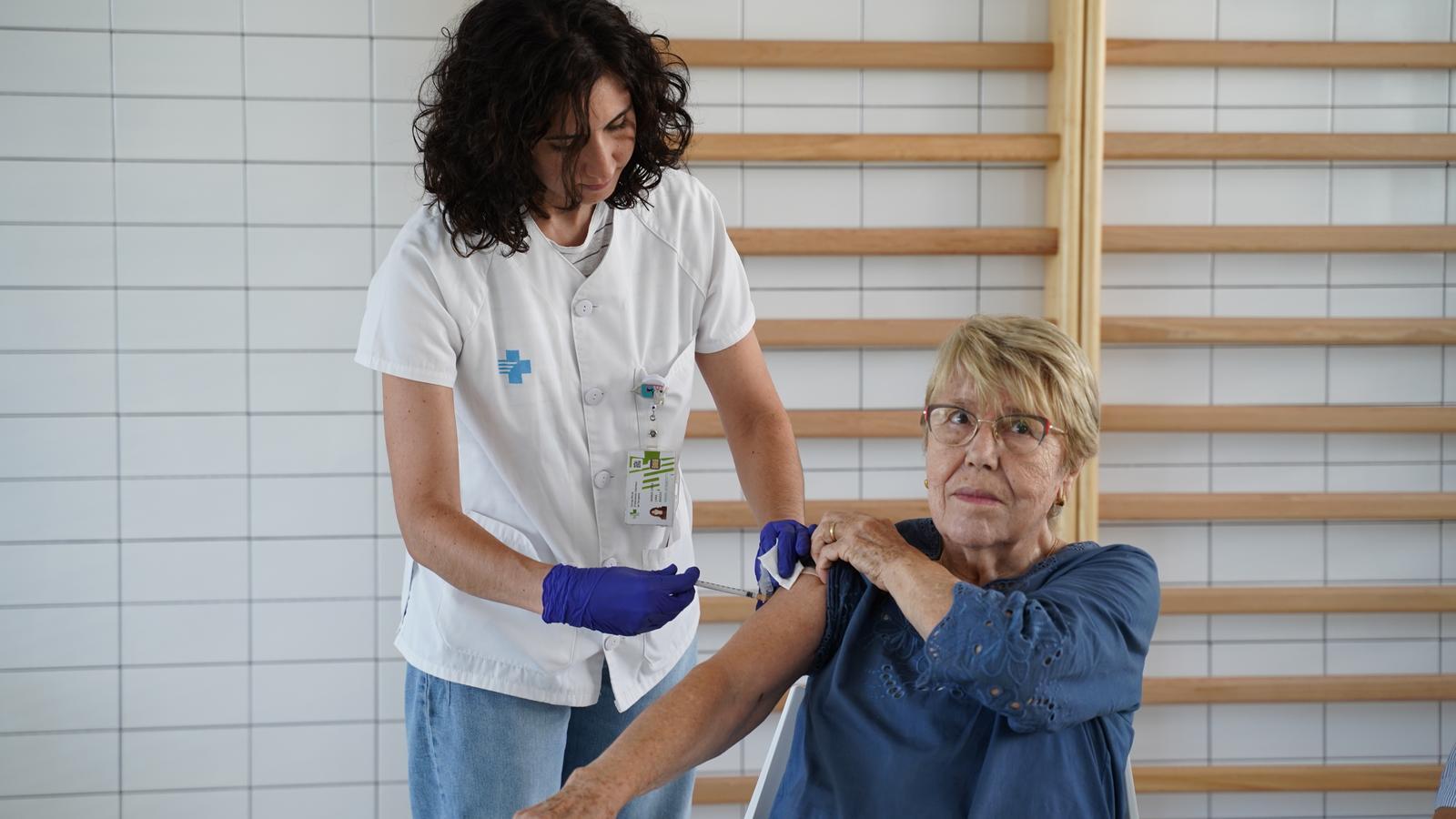
The vaccination campaign against the flu and COVID-19 is already underway, with special attention to vulnerable people and healthcare personnel
-
CAT -
CAST
The Generalitat de Catalunya distributes nearly 5.8 million vaccine doses every year. During the campaign alone, it mobilizes about 2.8 million. Behind this deployment there are months of preparation, which begin as soon as the previous campaign ends. A whole logistical mechanism so that health centers have the necessary doses to vaccinate the population. This autumn, the campaign focuses on vaccination against the flu and COVID-19.
Flu and COVID-19 vaccines can be administered at the same time to people who are indicated to be vaccinated against both diseases. However, the recommendations are not the same for everyone: they depend on age, health conditions, and individual risk factors, as well as the epidemiological situation.
The campaign is especially aimed at people who have a high risk of complications if they catch the flu or COVID-19. The elderly, pregnant women, children aged 6 to 59 months, people with chronic diseases, among others, are called to be vaccinated. However, getting vaccinated is equally recommended for people or groups who can transmit the flu to people in high-risk situations such as, for example, health professionals. It is also for people living with or caring for vulnerable individuals.
V for Vaccination
Vaccination against the flu and COVID-19 for healthcare center workers is essential and vital for individual protection, patient safety, and because it sets an example and helps dispel myths about vaccination among the public.
For this reason, the V for Vaccinate campaign has been relaunched, a vaccination marathon aimed at all healthcare center workers in Catalonia. This initiative aims to encourage and raise awareness among healthcare center staff about the importance of vaccination to protect themselves and to protect the people they care for.
People for whom vaccination is recommended must get vaccinated every year because the viruses that cause these respiratory infections undergo mutations and because previously generated immunity wanes over time. Getting vaccinated is vital to prevent complications and also to reduce transmission. Vaccination is especially recommended for people at higher risk of suffering complications if they contract the flu or COVID-19, including pneumonia, secondary bacterial infections such as otitis or sinusitis, dehydration, or the worsening of chronic diseases, especially heart failure, asthma, or diabetes. These complications may require hospitalizations, admissions to intensive care units, and can even cause death.
If you are suffering from a viral infection with fever or significant symptoms, it is recommended to postpone vaccination until recovery, without the need to wait for any additional period. However, if you have had COVID-19, it is recommended to wait 3 months from the infection before administering the vaccine.
Pregnant women and children
Pregnant women can be vaccinated at any time during gestation, and it is especially recommended that they do so. During the postpartum period, the flu vaccine is recommended, and both cases can be administered together with the whooping cough vaccine. Influenza and SARS-CoV-2 infection during pregnancy can cause complications for both the pregnant woman and the baby. Getting vaccinated reduces the risk of contagion and provides protection to the mother, the newborn, and the infant during the first months of life. Antibodies are transmitted through the placenta and, in the case of the flu, also through breastfeeding.
Regarding the child population, it is the main vector for flu transmission. Grandparents, parents, siblings, and classmates are exposed to the infection at a higher rate. In fact, in infants aged 6 to 59 months, the risk is also high due to the number of visits to health centers, antibiotic consumption, hospitalizations, and admissions due to complications. Bronchial obstruction, pneumonia, or otitis are some of the most common conditions in the first months of life, even in children without risk conditions, and for this reason, they are indicated for flu vaccination.
Children and adolescents between 6 months and 18 years of age with illnesses or conditions that increase the risk of complications, as well as those living in closed institutions, are especially indicated for influenza and COVID-19 vaccination.
All in all, by following prevention measures, we will reduce infections. In addition to vaccination, it is necessary to always maintain distance and avoid close contact with people with symptoms compatible with these diseases, and do not share food or utensils, cover your mouth with your elbow when coughing and sneezing with disposable tissues, wash your hands often, wear a mask at the first symptoms, ventilate closed spaces often, and stay at home if you feel unwell.
