Green light for the urban planning for the gigafactory in Móra la Nova
The territorial commission of urban planning of the Terres de l'Ebre completes a new step to land the technological infrastructure in the country
-
CAT -
CAST
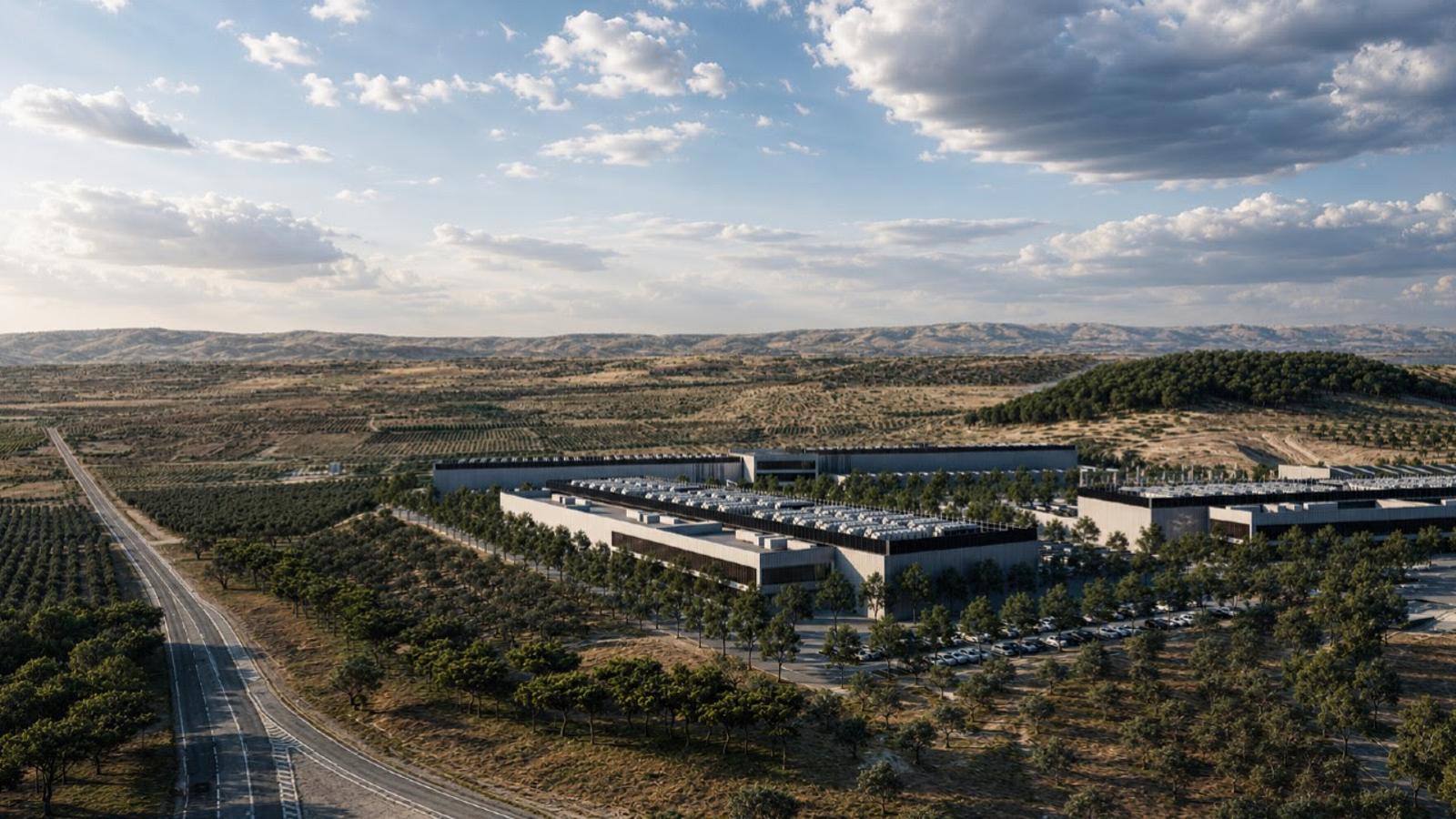
BarcelonaCatalonia continues taking steps to land the European project for the artificial intelligence gigafactory in Móra la Nova and Tivissa. The territorial urban planning commission of the Terres de l'Ebre approved this Wednesday the necessary urban planning to build a facility with these characteristics at the El Molló industrial estate, located between the two municipalities of the Ribera d'Ebre. The announcement comes just one day after the Generalitat ordered the Catalan Land Institute (Incasòl) to make a direct sale of the designated land, covering more than 132,000 square meters, to the company Gigafactoría Española de Inteligencia Artificial, the consortium leading the initiative. The promoters will have to submit the final application before December 3rd, while the European Commission will communicate where the infrastructure will be located early next year.
In this way, the commission has definitively approved a modification of the SAE El Molló partial urban plan, with the aim of adapting it to “a high-capacity digital and technological infrastructure” such as the gigafactory. The plot belonging to the Ribera d'Ebre Regional Council, where an industrial warehouse and a 5G laboratory are built that are considered “compatible” with the future AI infrastructure, remains outside the changes that have been given the green light today. Specifically, the approval was given to modify the isolated industry classification to group the various plots initially planned into one of large dimensions.
Sustainability measures
The Government maintains that the gigafactory, should it land in the Ribera d'Ebre, will contribute to improving the country's territorial balance. "It will directly benefit the Terres de l'Ebre and the Tarragona regions, and it is part of the Government's will to distribute strategic investments across Catalonia," asserted the Minister of Territory, Housing and Ecological Transition, Sílvia Paneque.
In this regard, she celebrated what would be the "largest artificial intelligence investment in the entire State," which will serve to "boost the digital ecosystem that we already have in Catalonia." "The technology sector is a sector of economic growth that provides added value, considered a priority in the European sphere," highlighted Paneque.
As the Catalan executive explained in a statement, the gigafactory "cannot be understood as a conventional data center, but as a strategic European high-performance computing infrastructure." In the opinion of the Generalitat, the scale of the project "requires incorporating advanced criteria for energy efficiency, demand flexibility, use of renewables, reduction of the carbon footprint, and efficient use of water." Thus, the Government has announced that the criteria for "environmental sustainability, landscape integration, and energy efficiency" of the project have been reinforced through various measures, from the promotion of renewables to sustainable drainage systems.

