Fruit, vegetables and milk to play, have fun and do sports
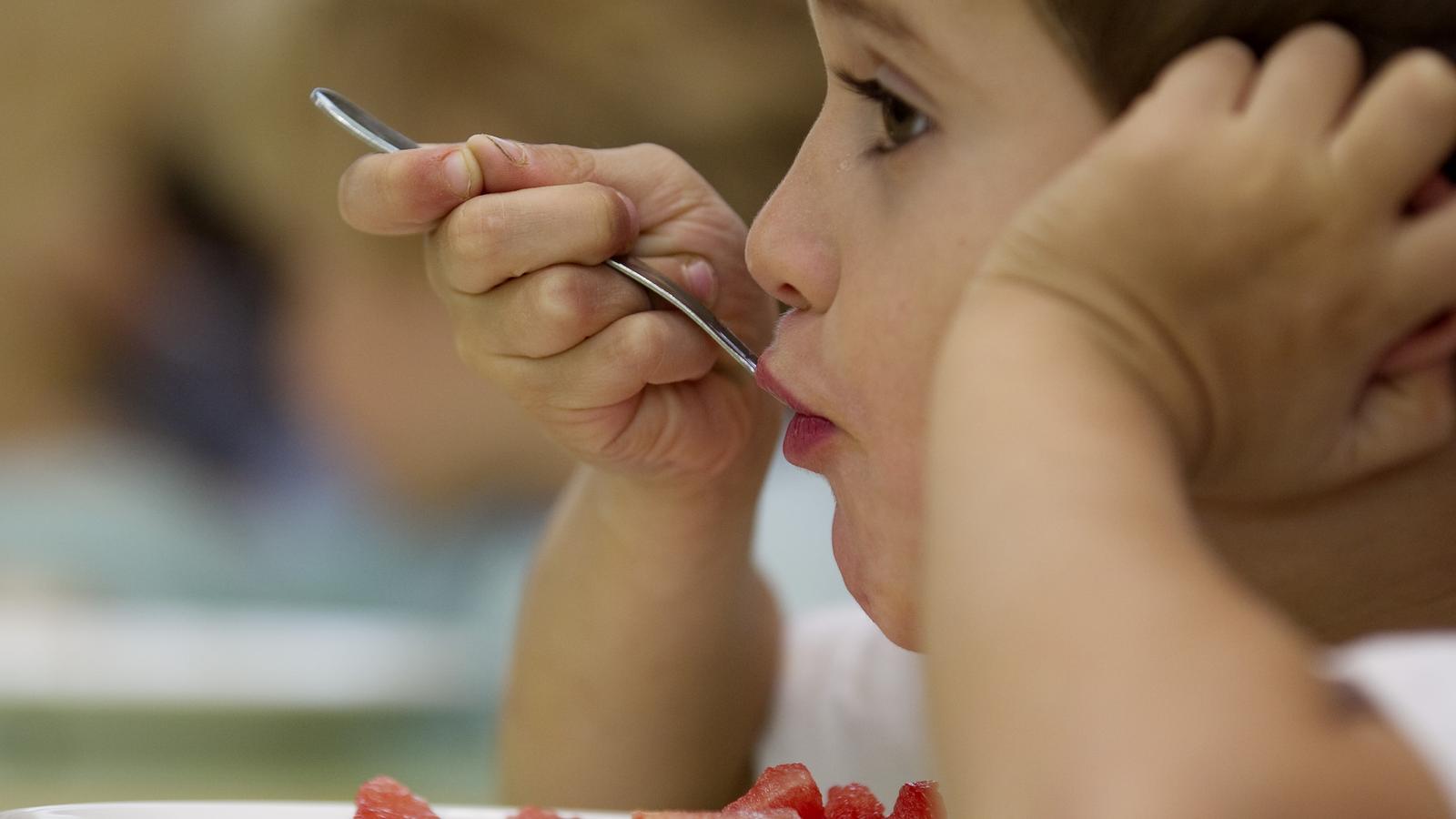
The Generalitat de Catalunya promotes, with the support of the European Union, a program that distributes free fruit, vegetables, and milk among students aged 3 to 12 years old in educational centers to foster healthy habits.
-
CAT -
CAST
What a heat! Spring is already picking up and summer is just around the corner. The best seasonal fruit is here. Melon, watermelon, figs, grapes, plums, Paraguayan peaches, peaches, and nectarines are a refreshing delight for the palate. Apricots, cherries, loquats, and strawberries are now filling our refrigerators with colors and flavors. How wonderful! Boys and girls also enjoy them at school with the fruit consumption program, which includes vegetables and dairy products, from the Generalitat de Catalunya for the promotion of healthy habits among the little ones. Who can resist it?
The European Union, within the framework of the Common Market Organization, has for years, together with the member states, financed the distribution of fruits, vegetables, and milk to schools, and the Generalitat de Catalunya promotes this initiative through its Department of Agriculture, Livestock, Fisheries and Food. The Government distributes fruit, vegetables, and milk free of charge to students aged 3 to 12 in schools that request it, so they can consume them for breakfast or a snack within the school premises.
The boys and girls in the second cycle of early childhood education and the initial, middle, and upper cycles of primary education in centers adhering to the program are, thus, overjoyed. And there is no better treat than taking a bite out of a good peach or tasting some very ripe cherries for breakfast or a snack. And, if you can also play with them before eating them, even better. Who hasn't ever used two cherries as earrings before eating them? Fruit, thus, becomes even more appealing.
Fruit for fun
An apple, a pear, an orange or a peach, a couple of slices of watermelon, melon or pineapple, or a bowl of cherries or strawberries is a healthy and delicious way to fill yourself with vitality to live adventures both at playtime and after school.
Refreshing, sweet, nutritious and fun, fruit helps us fight the heat and fills our bellies with laughter.
Vegetables to choose from
And if we add a good plate of legumes, two seasoned tomatoes, and a glass of fresh milk? These are options that perfectly complete a balanced meal. The consumption of fruits, but also of vegetables, milk, and dairy products is part of healthy eating habits for everyone, especially for children. Eating them is healthy and fun.
Orange carrots and pumpkins. Red tomatoes and peppers. Green spinach, lettuce, broccoli, chard, and artichokes. White cauliflower, onions, garlic, leeks, and mushrooms. Eggplant, red cabbage, beetroot, purple or bluish violet potatoes. Mixed on the same plate, they form a wonderful picture of colors. It's good for the eyes, but above all for the belly.
There's plenty to choose from: a plate of cooked vegetables, green beans, spinach, zucchini cream, or minestrone; one or two seasoned tomatoes, and also a plate of mixed salad.
Milk, yogurts and cheeses
Milk is a source of proteins, calcium, vitamins, and minerals. Drinking a glass of fresh milk after a football match with friends in the yard is a refreshing burst of joy for the palate. Milk, yogurts, and cheeses are an option to regain strength.
An apple, a plate of vegetables, and a glass of milk. They can be simple combinations to incorporate healthy foods into daily life.
Workshops and activities
Cooked vegetables, green beans, spinach, or a zucchini cream can become delicious recipes when we cook them and discover all their flavor. Consuming fresh and local products also helps children understand their origin and value the countryside and the work of farmers.
Through workshops and activities, the Generalitat de Catalunya also promotes the discovery of seasonal products among children: knowing where they come from, in which territory they are cultivated, and at what time of year they grow – in summer, autumn, spring, or winter – makes them more aware of nutrition and the link between the land and the table. They also learn why the Sant Joan pears arrive for Sant Joan or which fruits and vegetables are identified with each season of the year.
All in all, it is a fun and educational way to learn to eat better, discover the flavors of each season, and understand that a healthy diet is also a way to care for the territory, habits, and the future of our children. Incorporating fruit, vegetables, and milk into our daily lives is taking care of ourselves. Enjoy your meal!
