The victims admitted to hospitals due to the train accident in Toledo drop to 26
The Spanish government plans to approve today security measures for high-speed rail and economic aid for those affected
-
CAT -
CAST
Madrid / BarcelonaA total of 26 injured in the Urda railway accident, in Toledo, remain admitted to hospitals in Castilla-La Mancha, five fewer than last Sunday. The accident initially left 110 hospitalized in six centers, of which 84 have already been discharged.
Of the 26 people admitted, seven are still in intensive care units (ICU), according to data provided by the government of Castilla-La Mancha. By center, there are 15 injured at the Toledo hospital, of which four are in the ICU and eleven in conventional beds. In Alcázar there are four injured in conventional beds, and one injured person who was admitted has been transferred to the Gregorio Marañón Hospital in Madrid. In the Ciudad Real hospital there are six hospitalized, of which two are in the ICU and four in conventional beds; and in Albacete one person remains admitted in the ICU.
More safety measures and aid
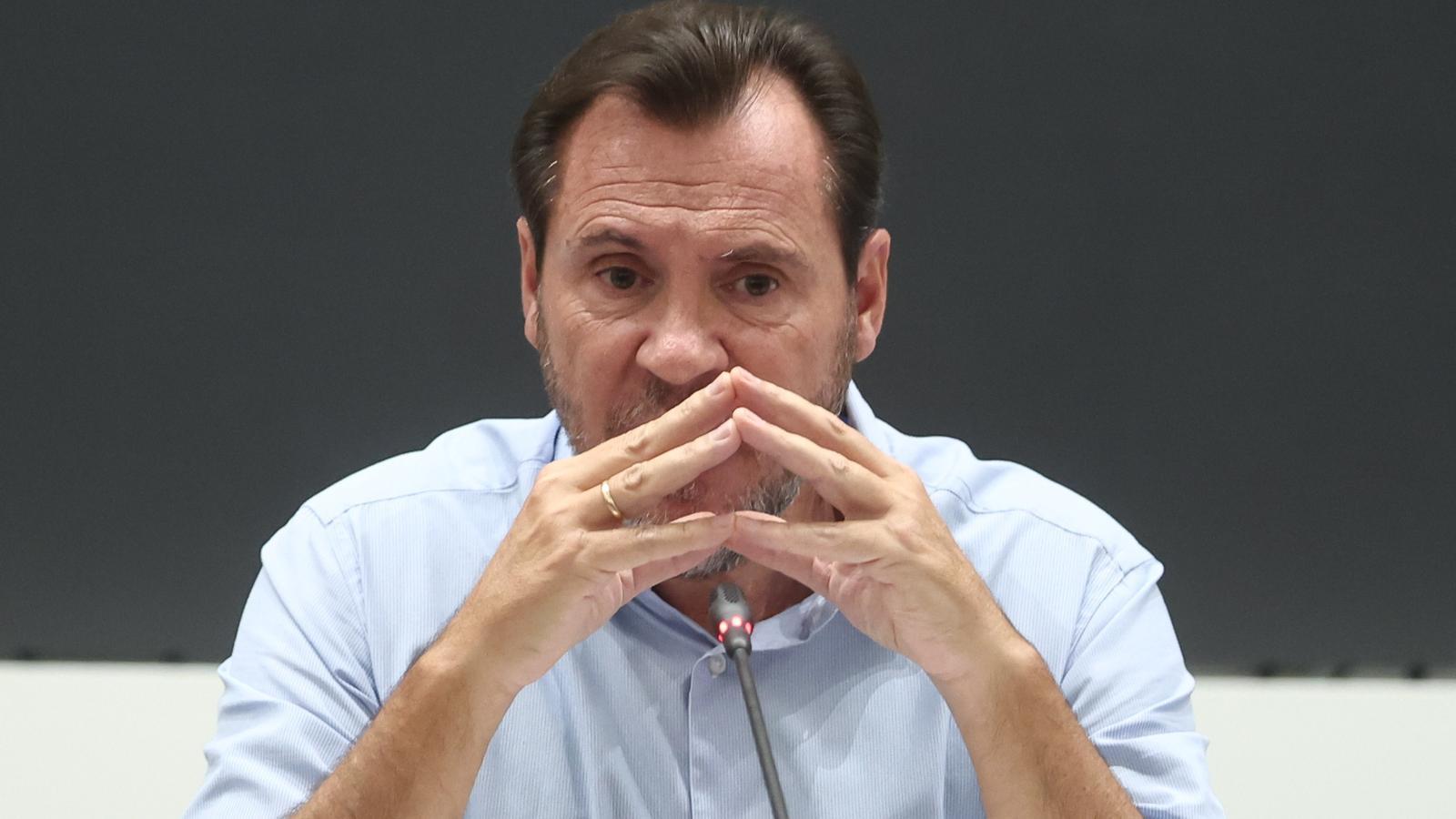
In parallel, the Spanish government is preparing to respond both to network security and to the victims. The President of the Spanish government, Pedro Sánchez, had already hinted a few hours after the accident at the intention to approve measures to reinforce high-speed rail security. A service that, in Sánchez's own words, has been "hit" after experiencing two tragedies in less than a year. In fact, this Monday Pedro Sánchez stated that the priority is for citizens to "regain the broken trust in the AVE as soon as possible and at whatever cost." This Tuesday, it is the Minister of Transport and Sustainable Mobility, Óscar Puente, who has the task of specifying the promise in two public appearances.
After the Council of Ministers and before accounting to the parties in Congress, Puente will detail a battery of measures to improve high-speed rail security, as confirmed by sources from the Ministry of Transport to ARA.
Furthermore, the state government will also approve a specific decree to increase financial aid for the victims of the tragedy, similar to the one it already processed for the Adamuz (Córdoba) train accident. The legal package will double the aid provided for in the mandatory insurance, a mechanism to advance compensation, a temporary disability procedure for the victims, and the creation of support offices in the areas where those affected reside. Sánchez assured this Monday that attending to the victims is "most urgent".
The unions are applying pressure
Meanwhile, the unions are maintaining pressure and assert that they do not want to "be used to cover up the lack of management and political will." For this reason, the majority union, Semaf, has called for new train driver strikes for November 10 and 12, and, as ARA has learned, the rest of the unions are already considering joining them.
Union sources in the sector state that they are trying to "coordinate" with the other organizations to hold a joint strike. The CGT, moreover, highlights in a statement that it had already warned on several occasions about the pressure and working conditions experienced in control centers and asks the State Railway Safety Agency to carry out inspections "of Adif and the rest of the agents involved."
In the text, the CGT even proposes that "temporary restrictions or suspensions of circulation" be carried out wherever necessary. "We are not asking to paralyze the railway without criteria," the union clarifies, stressing that what is needed is an analysis of "serious risks." "If the problem can be systemic, the response must also be. We cannot wait for a risk to materialize again elsewhere to start asking ourselves if it was under control," the union laments.

