The man who dismembered his roommate and hid him in a suitcase escapes from prison
He was detained since the 2022 crime and last year he accepted a sentence that he would have served in 2033
-
CAT -
CAST
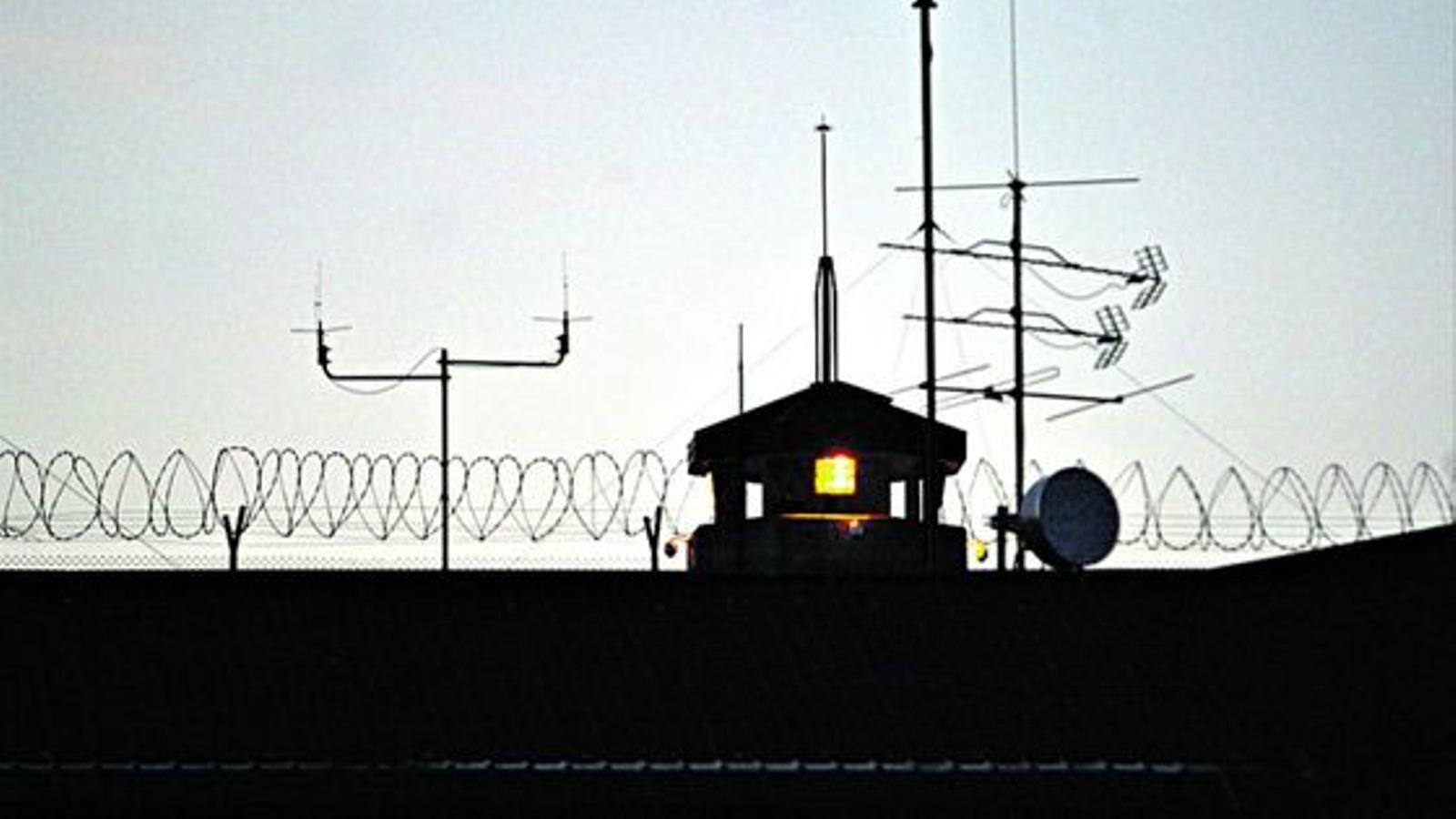
BarcelonaThe man imprisoned for killing a flatmate, dismembering the body and hiding the torso in a suitcase has escaped and his whereabouts are unknown. According to El Caso and confirmed to ARA by prison sources, the man has not returned to Quatre Camins prison, where he is serving his sentence, after a planned outing he made in Barcelona this Tuesday. According to prison sources consulted by ARA, the man had completed three years of his sentence, which he would have finished serving in October 2033. Tuesday's was his first planned outing, a regulated activity that is part of prison treatment and in which inmates are accompanied by prison staff.
In May of last year, the man accepted a ten-year prison sentence for the crime of his flatmate, to whom he rented a room, although he was already in pre-trial detention since his arrest in December 2022. Specifically, the man accepted a ten-year and three-month prison sentence for homicide and desecration of a corpse.
Now, following his escape, there is an active arrest warrant against the man for the Mossos d'Esquadra to apprehend him if they detect him. Furthermore, the act of having escaped may lead to a new crime, which could extend his stay in prison if he returns, either arrested or of his own volition.

Mitigating for mental health
In both offenses, it was taken into account as an extenuating circumstance that the accused suffered from chronic post-traumatic stress disorder at the time of the murder. The Prosecutor's Office already added in its indictment that, at the time of the crime, the man "presented a chronic and secondary post-traumatic stress disorder that could have slightly diminished his cognitive and volitional capacities." Therefore, the Prosecutor's Office itself already foresaw that an extenuating circumstance for mental alteration could be applied to him, as was finally included in the agreement between the prosecution and the defense that made it unnecessary to hold the trial.
When they began to investigate the case, the Mossos expected a very complicated investigation. Only the victim's torso had appeared and without other marks, fingerprints, or teeth, it was difficult to identify the victim and those responsible for the crime. But in this case, the door-to-door investigation and the analysis of security cameras in the area were key to putting a name and surname to the victim and arresting the suspect in record time. In addition to collecting images, the Mossos visited many neighbors in the area in the hours following the discovery.
