WHO message of calm: "Hantavirus is not covid, it is very different"
The health authority is tracing 80 people who were on a flight with one of those affected and 30 who fled the cruise ship
-
CAT -
CAST
BarcelonaThe Director-General of the World Health Organization (WHO), Tedros Adhanom, stated this Thursday that the number of confirmed hantavirus cases on board the Oceanwide Expeditions cruise ship has risen to five, and that the main line of investigation into the origin of the outbreak would be a bird-watching trip through Uruguay, Chile, and Argentina in which the Dutch couple who later fell ill and died participated. To date, they are considered the first infections of the outbreak. Nevertheless, the WHO's Director of Prevention, Maria Van Kerkhove, wished to send a message of reassurance and stressed that this outbreak has nothing to do with the start of the covid-19 pandemic: "It's not covid, it's not flu, it spreads very differently."
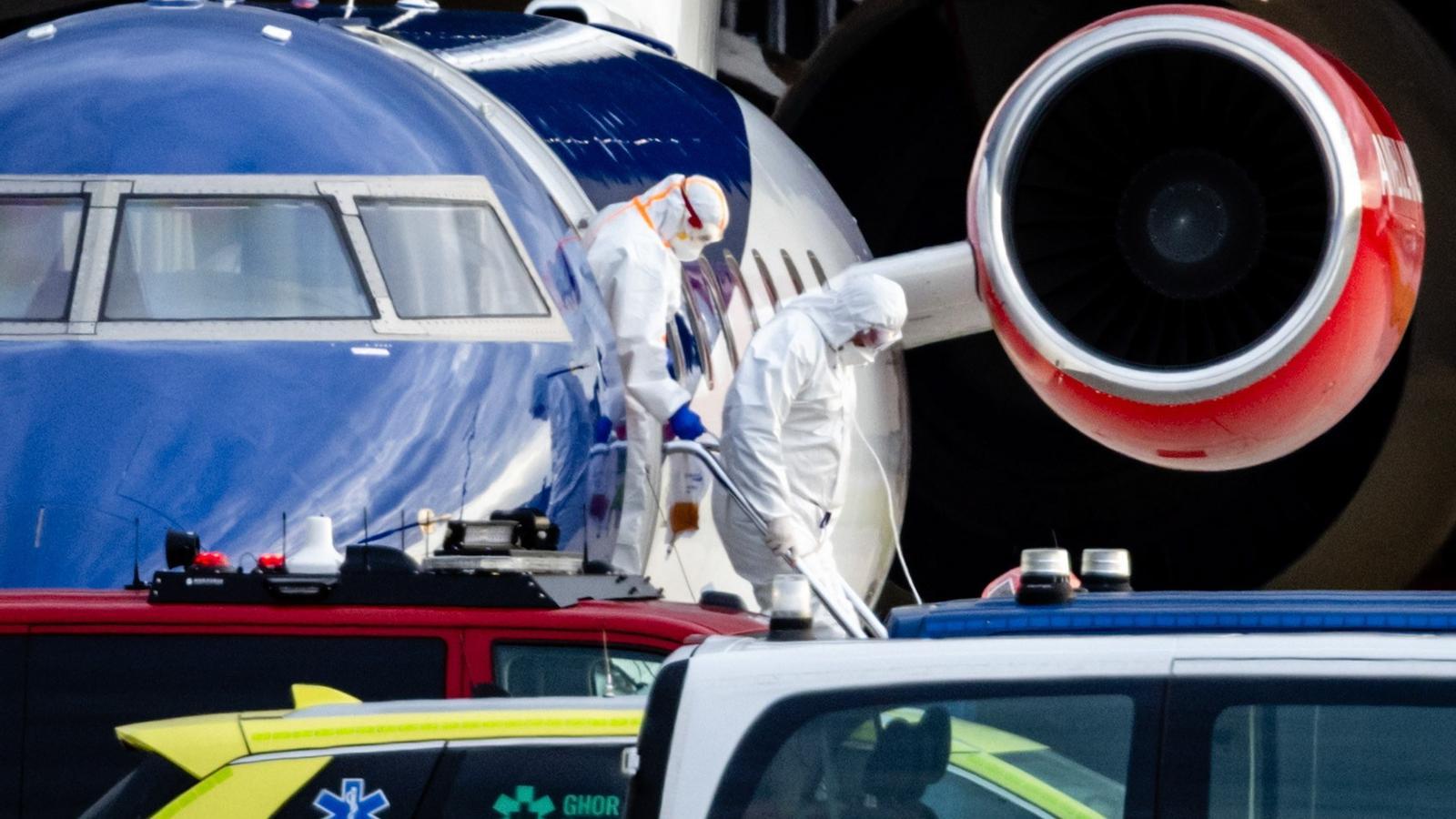
In total, since the start of the outbreak on board the cruise ship, eight people have been infected, three of whom have lost their lives. While the WHO only has five confirmed by laboratory tests, the other three – with symptoms compatible with hantavirus infection – have been evacuated to Cape Verde, the Netherlands, and Germany, and one learned of the diagnosis once she had returned home to Switzerland. Furthermore, there is a ninth case under study, that of a flight attendant who had contact with one of the fatal victims in South Africa and is under observation in a hospital after showing symptoms of the disease.
In this case, the health authority has limited itself to saying that it is a health alert and that it awaits confirmation of the tests. If this were the case, it would be the first case of hantavirus detected outside the cruise ship and in a person who was not traveling on it. The rest of the passengers on board the ship remain asymptomatic and en route to the Canary Islands, Adhanom stressed.
The WHO Director also confirmed that he is tracing at least a hundred people: the 80 who were on the same plane as this sick woman, in addition to the thirty who disembarked at a stopover in Saint Helena from the cruise ship upon learning that a man had died on board. Meanwhile, Argentina – the country from which the virus-affected cruise ship departed – is trying to reconstruct the journey of the first infected individuals to try to ascertain the origin of the outbreak.
Thus, several Argentine technicians have traveled to Ushuaia to assess the trip of the couple who were the first infected –both have died– before embarking on the sea voyage aboard the MV Hondius. In the last four months they had been traveling through a large part of this country, but also Chile and Uruguay. In this regard, the WHO has focused on a bird watching trip. Before boarding the cruise on April 1, the couple who died of hantavirus traveled to "places where the rat species known to transmit the Andes virus is present," Adhanom explained.
"We know this virus"
Van Kerkhove has stressed that this hantavirus outbreak should not awaken the ghost of the start of the covid-19 pandemic. "We are not dealing with coronavirus or the flu, we know this virus," she insisted. In fact, the head of pandemic management at the health organization indicated that, on this occasion, the details of how the virus that causes the infection is transmitted are known, and that, unlike the zero zone of coronavirus in a market in a large Chinese city, hantavirus is confined to a ship that, due to its characteristics, is isolated.
The Director-General of the WHO has expressed confidence that those who are currently concerned in the Canary Islands about the risks of the arrival of the ship where a hantavirus outbreak has been registered "will understand, support and cooperate with the Spanish government." In a press conference from Geneva, Adhanom explained that he personally made a direct request to the President of the Spanish government, Pedro Sánchez, who accepted it by virtue of what is established in the international health regulations, although, beyond that, the most important thing in this case is "solidarity".
The forecast is that the cruise ship will arrive in Spanish waters on Sunday at noon, but, instead of docking at the port of Granadilla, on the island of Tenerife, it will only anchor, so it will not touch the Canary coast, and its passengers will be transferred by launch in groups of five to then be taken to the airport. The Spanish government has committed to the Canary government that no one will leave the ship until the plane to transport them has arrived.
Meanwhile, the WHO has assured that, on board the ship, passengers and crew are taking protection and self-protection measures, using masks, staying in their cabins to avoid contact, and disinfecting the cruise ship.
