We are Mediterranean: we toast with wine
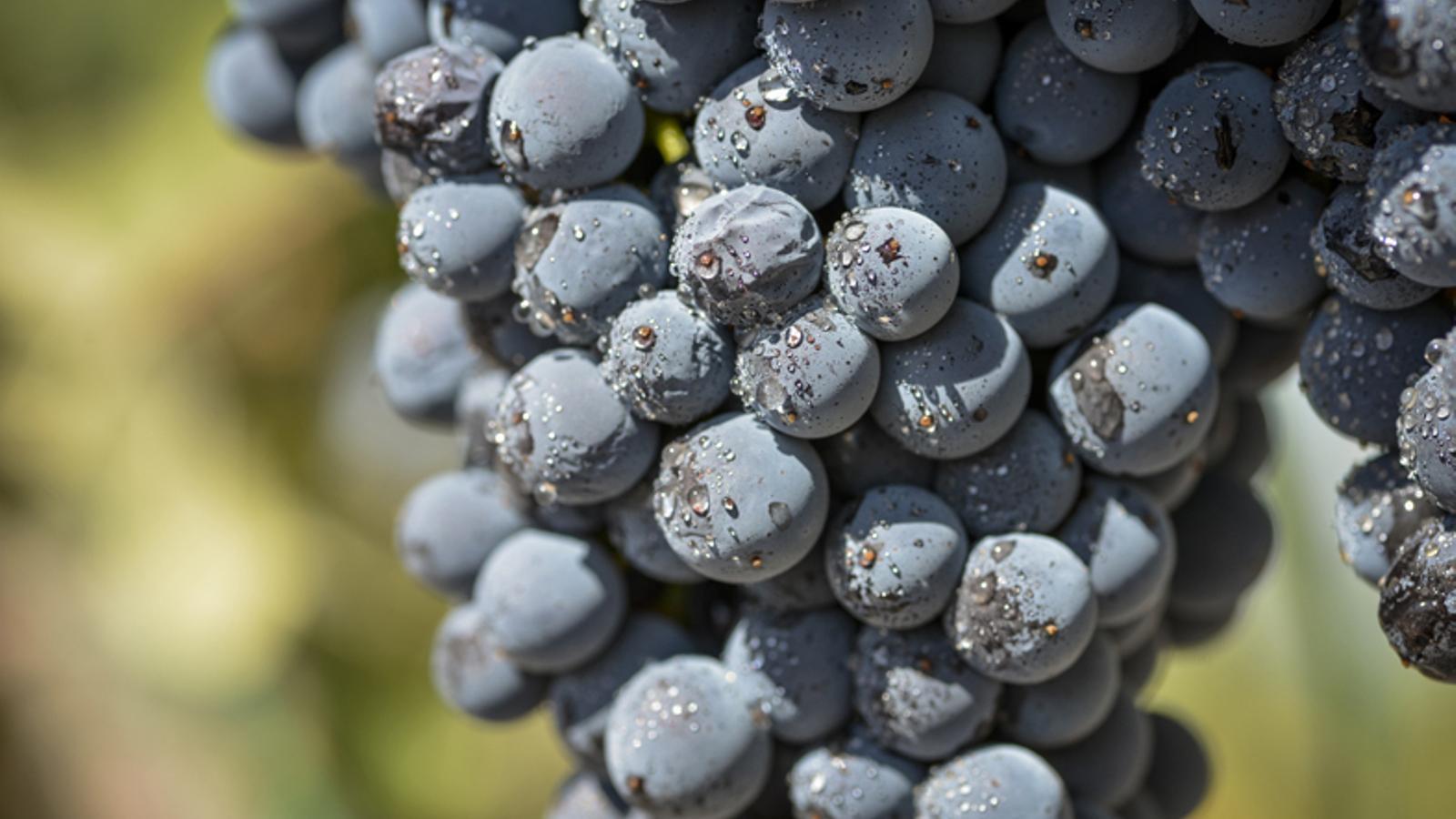

I write sitting on a pallet, between open barrels, some already full. I see her, all energy, a burst of vitality, climbed up the ladder, helping with her hands—her arms red with must—to make the grapes slide down. I see him, thoughtful, eating a grape of picapoll and smiling without realizing it, because it is delicious. We bring in “my” grapes, the ones we harvested, the toy ones, and immediately from those purple, compact, very healthy Mandó grapes, a juice springs forth that is a miracle. Up on the tractor, the very white teeth of the lanky young man, who is laughing, enjoying the pleasure of driving a machine, stand out in the darkness of the cellar. “He’s a machine!”, I hear someone say.
It is harvest time. In the laboratory, he sucks up the must with the pipette and notes the grade of the grapes, which is high, because they were ripe. Outside, a boy in boots is cleaning a tank from the inside. Like every year during these days, with restless nights for all of them, they wake up sweaty, thinking about acidities and spontaneous fermentations. Outside this world, there is that gentleman who, from the podium, all clean and ironed, will decree that wine is elitist, expensive, pernicious, and prohibitable. He will consider that we can offer young people all the sugar in colored drinks but not a sip of wine, because that is a drug. If we are one thing, if we are one single thing in this place where we live, it is “Mediterranean”. We live in the street, we like to party, we have been sharing bread, oil, and wine for millennia. What are the WHO and all these gentlemen locked in the cold of their pine houses going to tell us about the social act of toasting with wine? We are a wine country and we have a unique landscape that is understood through wine. We tread the grapes barefoot, but we do not let ourselves be trodden upon in this ancient act that consists of looking each other in the eyes, clinking glasses, and saying “cheers”.
