Trump and the condemnation of the people

-
CAT -
CAST
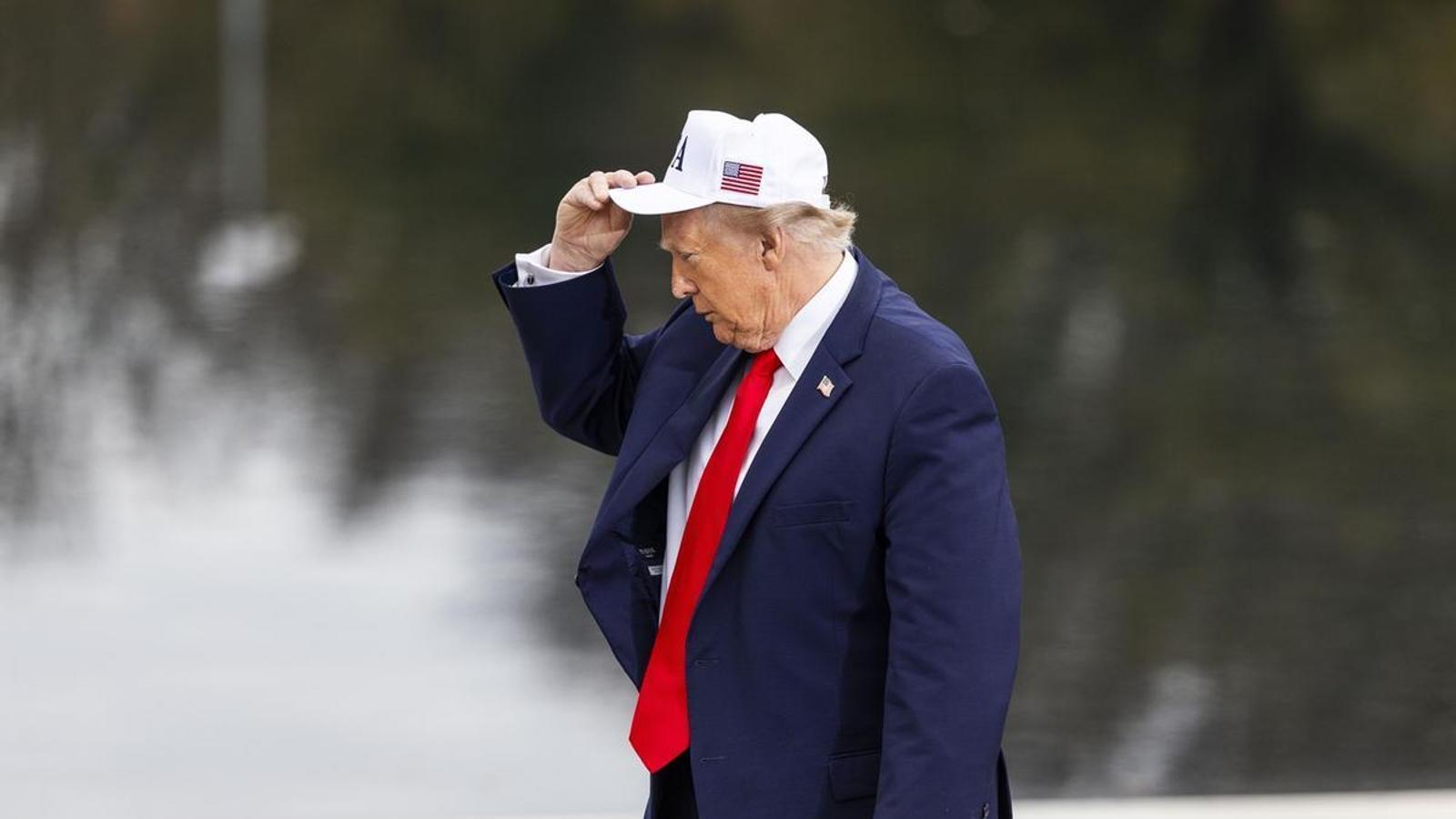
The United States midterm elections yesterday are undoubtedly a historic moment, a tsunami until recently unforeseeable. Demographers, sociologists, and communicators, take note. It is not just a turning point in the miserable history of the exercise of evil and sadism starred in for two eternal years by Donald Trump and his administration. It is the end of a bubble from which people have awakened, suddenly, in recent months. It has been the material conditions of life that have made a paradigm shift a reality, because yesterday's event is not –only– a victory for the Democratic Party.
In a recent interview following his latest book, The Oligarch's Son, Patrick Radden Keefe said that “every day in the United States is a new hell”. The phrase from the great figure of American narrative journalism and star writer for the iconic The New Yorker reflects a profound generational disorientation, that of a white, cultured man in his fifties, who would never have imagined a continuous nightmare scenario in a country that has led the world since the end of the Second World War.
How could a single man manage to change the mentality of an entire nation? We could say that Trump anticipated what has since spread everywhere: digital fascism, the exercise of arrogance and virtual denigration that is applauded in times of unresolved problems. Already in 2019, in a book written with Álvaro Guzmán and Héctor Muniente, we said that Trump was the “symptom of a time”, of a monster on the march, focused on technologies. Today we can interpret that this capacity to capture the attention of the people through the digital network responded to the need for emotional dissociation of certain groups in society: fleeing from the harsh reality through the fantasy of grand rhetorical promises.
This was the case 10 years ago for the Latino population and, above all, for the large collective of white people left helpless by a progressive impoverishment that dressed itself up as the MAGA movement. But the facts have shown that the scant moral consideration of those who have governed the country these last two years – from Trump to Musk, from J.D. Vance to Pete Hegseth, from Robert F. Kennedy to the amoral oligarchs of Palantir like Thiel and Karp – has been the death knell of a politics of evil that will likely not be repeated. Their behavior, full of excess and a lack of decency, is today their condemnation. And Iran is today the one signing the tombstone.
It is a condemnation from the people, not so much a great victory for the Democrats. The Latino community has felt betrayed by leaders who kicked its members out of the country through ICE. The MAGA supporters have been able to verify that they were only bargaining chips. The harsh reality is that prices have skyrocketed for the humble classes, and it is not just the price of gasoline that is a consequence of Trump's imperialist delusions in the Middle East and the whole world.
At the same time, Trump represents the end of a generation of men who do not understand a new world of mixed races, ideologies, and faiths. Those who do understand the demographic and social complexity are three of the great winners of this unprecedented shift. It is no coincidence that they are figures racially unrepresented in the history of the American nation. The new senator for the state of Michigan, Abdul El-Sayed, is young, of Muslim origin, and has been able to defeat the Republican candidate after overcoming the Democratic establishment candidate, Haley Stevens—later on, Barack Obama himself would jump on the bandwagon–. Gina Hinojosa, of Latino origin, is the new governor of the state of Texas –the state most historically populated by property of the Republican Party–. Keisha Lance, former mayor of the complex city of Atlanta, is the new governor of Georgia, but above all she is the first African American woman to govern a state in the country's more than two-century history.

Three figures who join as symptoms of a change in seed to two who have paved the way: Alexandra Ocasio-Cortez, in Congress, and New York mayoral candidate Zohran Mamdani, who day by day demonstrates a leadership as radical as it is optimistic and with a capacity for real management: public supermarkets, limited-price housing, free transport, and universal right to daycare. So simple, so powerful.
Perhaps we are at the beginning of a new stage, rather than the perpetuation of the continuous nightmare denounced by the great American writer. The popular revolts in Europe are not accidental, nor is the digital revolt driven from Lula's ranks in Brazil, which has learned the techniques and uses of language that the right has monopolized for a decade. The new generation of progressive people understands the logic of our time, because they suffer it, and indirectly asks the old left – which has not understood it – to step aside. Today I cannot forget that same autumn night in New York, a decade ago, when Hillary Clinton, angry and raising her voice, lectured potential Trump voters by calling them fools. It was an insult to a whole world to come, full of complexities and daily violence in people's lives.
Just as ten years ago Trump was the symbol of a time that was arriving, sadistic and techno-misogynistic, now his fall from electoral grace is also the symptom of a new time to come, in which megalomaniacal selfishness is punished, the rhetorics of the network collapse and collide with the stubbornness of the earth that embraces the real lives of the people. This Democratic victory is a victory of the solidarity of the weak, who rise up against a world where the rich are getting richer and richer. It would be wise for the old Democratic establishment to listen to the winds of exemplarity that are coming from the new generations.
