The reserved seats
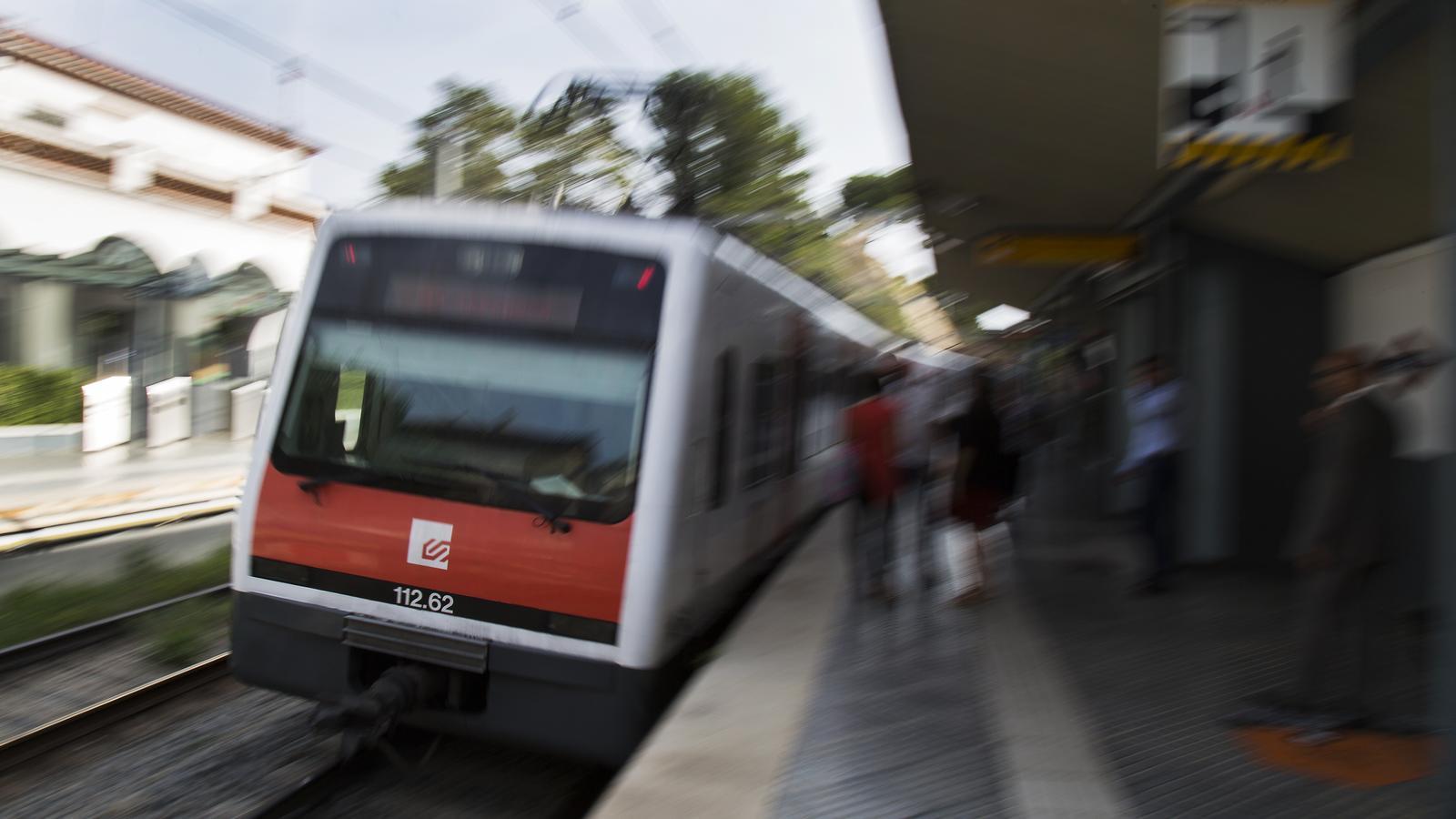

The issue of reserved seats on the train, for pregnant women, the elderly, parents with a baby, or people with mobility difficulties, is not binding. It is recommended that these seats be yielded, but it is not mandatory. I am at a very delicate moment in my life: if they offer me one, I get annoyed; and if they don't, I also get annoyed.
More and more (I am speaking of the “Catalans,” as I don't use Renfe as much) there are people who, politely, ask the young people sitting down to get up. And those asked always do it. Sometimes, someone has asked me if I could get up, and I, happily, have said yes, feeling rejuvenated all of a sudden. However, in the mornings, the reserved seats are occupied by mothers (or nannies) and children. Children of eight, nine, ten years old, who have no apparent mobility problem. They don't even look at the grandparents or semi-grandparents who are standing, and the mothers (or nannies) at no point tell them to get up. On the contrary, they ask them what they would like for lunch, if they feel like playing something, what they want to talk about, or—of course—if they want to watch a movie on their phone or listen to a song.
The little kings should get up, know that you cannot get used to everything being easy, know that the phrase “what do you feel like” can be an addictive and deadly trap. Learn to look around and understand that these adults who are standing have precisely more right to sit, and that they must get tired and annoyed and frustrated by the minor misfortune. That that word which now seems so reactionary, civility, is necessary. That we need a social contract, perhaps with children having a voice and a vote, of course, but in a republic, not in an absolute monarchy where they are the little kings.
