The luxury
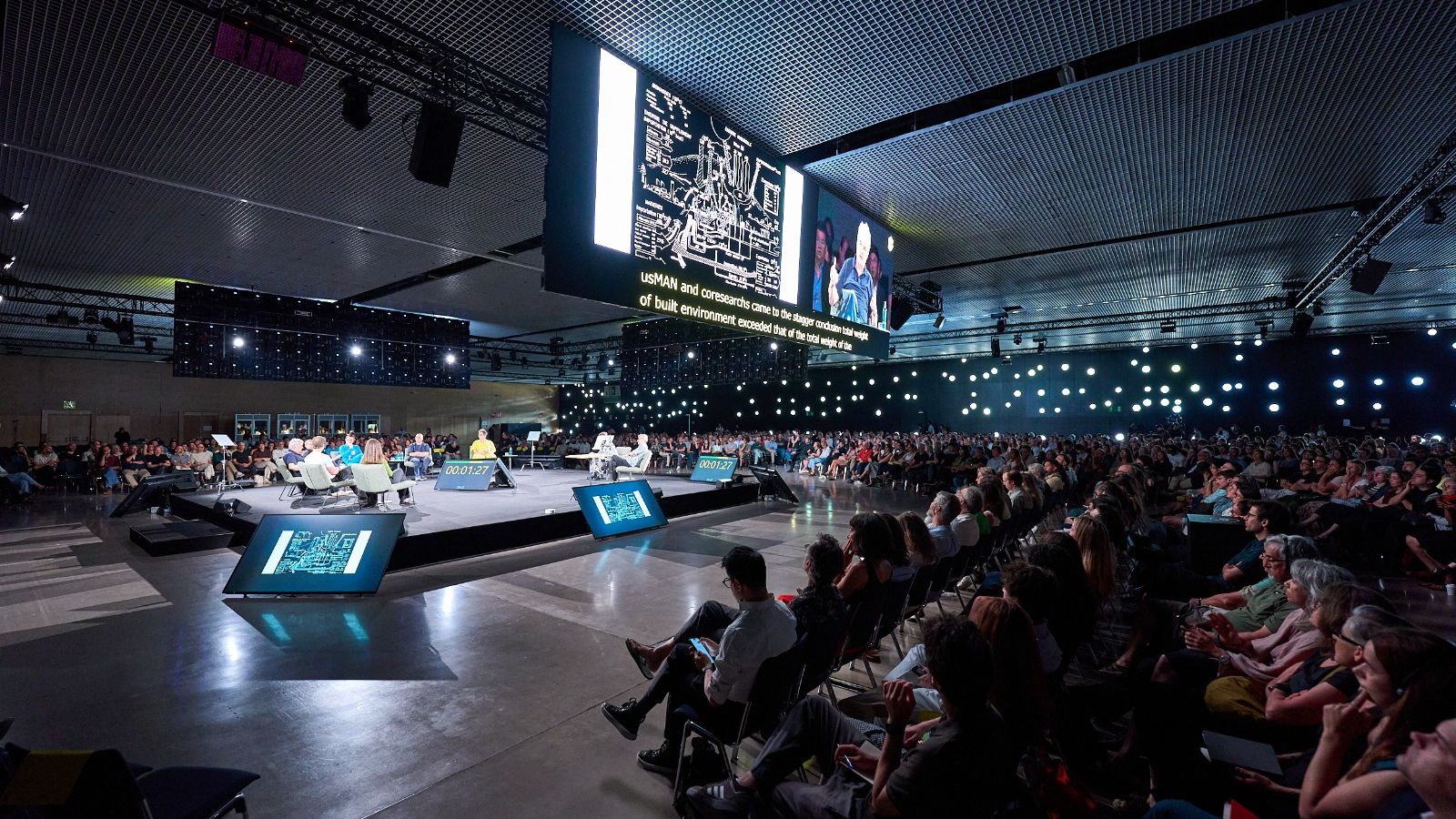

I celebrate that the Congress of Architecture has once again put housing at the center: “We declare that housing is a right, not a mere economic return. This right is non-negotiable”,says the Barcelona Declaration. It is an ambitious slogan, because houses are very valuable spaces, it is difficult to be able to pay for them with the effort of work, they consume many resources and their production is central to urban economies. Housing has become a luxury because cities have discarded other ways of planning, building and living.The congress has featured the participation of Anne Lacaton and Jean-Philippe Vassal, who are probably the European architects who have done the most, throughout their careers, to demonstrate that inhabiting is not only a right, but that it should be a pleasure. And this may cost not much more. It is not a matter of means, nor of BIM software, nor of material execution price. It has to do with the ambition to offer the best spaces in the neighborhoods where we intervene, and it requires observing, designing, and taking risks.I had Jean-Philippe Vassal as a professor for a year when I went on Erasmus to the School of Architecture in Versailles, and I have a clear and fond memory of him: I never heard him pontificate, what he taught was a reasoning very close to what he built and what he has been building for the last twenty years. Vassal's course was initially disconcerting because it didn't ask for a specific solution for a given plot. During the first classes, he simply suggested that we students go around the city taking photographs of curious spaces, with unforeseen uses. When you are given so much freedom, it becomes very difficult to stand in front of a classroom and explain a personal discovery. Then we would conceptually travel to Africa, to the desert, or to Djema-el-Fnaa square in Marrakech, to understand what makes a space comfortable without anyone having applied a design or an imitated style. Finally, the course project consisted of proposing a place and intervening in it to improve it. It was difficult, but he did with us what he proposed in his office: intervening without the safety net provided by regulations and ordinances. Opening our gaze allows us to discover trees that create cathedral-like spaces, simply with a cadence between the trunks and selective pruning of branches. Or, as they have done with exquisite precision, converting greenhouses into fantastic and economical homes.
Hopefully the congress will serve to oxygenate the regulatory body. One of Vassal's references was the cooperative housing project by architect Frei Otto in Tiergarten, Berlin, from 1987. The Ökohaus are magnificent apartments built at two speeds: firstly, the architect left a solid double-height structure, and secondly, each resident could have their house made to measure, from the facades, the stairs and the interior layout. What a luxury to be able to build one's own space according to each person's ideas of comfort. In Vassal's words, luxury is being able to conceive space with freedom, without preconceptions. If a dining room can be larger and taller, and brighter, for the same price as a small, highly compartmentalized house, why not aspire to create large spaces? True flexibility comes from the size of the rooms and the infinite combinations between interiors, exteriors, galleries, porches, and terraces. For those who know too much, the system breeds suspicion; surely all that glass won't be difficult to clean? Won't it be dizzying? If new galleries are created, won't they excessively benefit the tenants of one block over others? That's why I like to walk through places with children. Children are great readers of spaces: they understand them immediately because they perceive the volumes, the lights, the heights, the warm places, and the cold places. And they are not afraid of so much creative freedom. They fall silent when they enter a Gothic nave or play where a breeze blows. Lacaton, Drot and Vassal have never had an easy time making the architecture they do. In France there is also an excess of regulation, and they also have detractors. But the language of their spaces is very universal. They take risks with proposals that, being so logical, seem simple. And they had to change many minds before moving forward with the rehabilitation projects that have gone around the world.The congress has allowed us to ask an important question: who, ultimately, do we architects serve? To whom do we owe our allegiance? For a few days, the debates have focused on citizenship, on the chimera of manufacturing affordable housing with luxury spaces for everyone, for every corner. If we believe the debate has been worthwhile, the next step is to know what note Plan 50,000 has taken from all these reflections. If housing is not just about economic return, are we willing to invest a little more in the quality of what we build now? Would we be capable of developing houses here similar to Frei Otto's Ökohaus in Berlin or colossal renovations like those by Lacaton and Vassal in Bordeaux?
