The juggler's brain
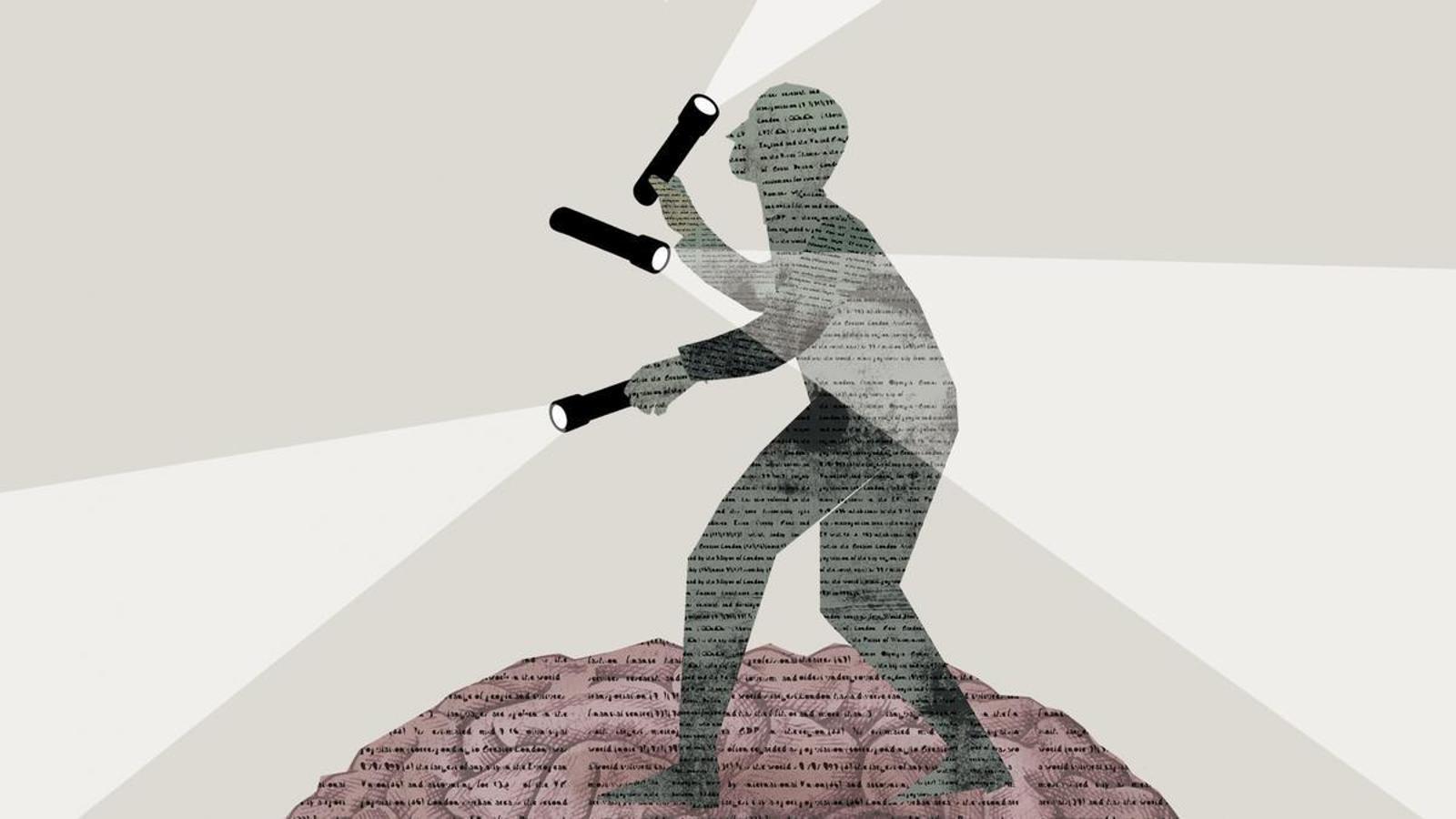
Whatever your age, you who are reading this article know that technology is moving faster than human capacity to adapt to a new perception of reality. We have become a kind of overwhelmed jugglers or tightrope walkers traversing a cable far above our heads. I don't know if we have always been surpassed by technology throughout history; I suspect so, but never with such great acceleration, on so many fronts at once, and with such extensive shared knowledge of the metamorphosis we are immersed in as a society.
The way we work has changed; the way we live, travel, heal, and eat has also changed, but above all, the knowledge we have of what is happening to us collectively has changed.
One of the keys to current bewilderment is the avalanche of inputs that we are capable of, or rather incapable of, processing. We immerse ourselves in social networks eager for impact, information, or escape, and end up anesthetized in an infinite scroll through which our time slips away. The quantity of impacts that continually interrupt our attention forces our brains to juggle. Technological distraction (emails, multiple messaging apps, social networks) forces the brain to alternate and reconfigure itself all the time. This syncopated state of attention makes us "slower to regain focus, more erratic, less creative, and with less memory," according to Johann Hari in The Value of Attention (Península ed.).
In this scenario of an avalanche of impacts, access to information is transformed, and the sensation of an inundation of bad news looms. We live anxious about everything we can know – let alone understand! – or do.
The anxiety to do everything is accompanied by informational fatigue from the avalanche of impacts – not necessarily of news worth publishing or verified as such – and an unpleasant feeling of powerlessness that affects our civic rights and duties and, therefore, democratic quality when we decide to isolate ourselves.
Disconnection from the news is steadily growing. According to the Reuters Institute, in ten years the percentage of people with little or no interest in current affairs has gone from 5% to 15%. The proportion of citizens who often or occasionally avoid the news has also increased: from 29% to 42% globally and from 26% to 37% in Spain. This information fatigue is worrying because it harms democratic health and weakens the relationship between citizens and the media, as well as the density of the network of shared civic values.
Faced with this phenomenon, what can we do? Basically, choose. Reduce saturation, better prioritize information, and trust those who promote constructive or solutions-oriented journalism that incorporates advances and human stories without hiding the complexity of problems. Also, have a responsible presence on platforms and strengthen media literacy so that young people understand the value of journalistic mediation in the face of algorithms.
Citizens have the feeling that each piece of news is worse than the last, and it's no coincidence. Political polarization and the functioning of social networks worsen the problem: algorithms prioritize content that provokes visceral reactions and maximizes screen time. This favors tension and, at the same time, fatigue and helplessness.
A large part of the responsibility lies with the major platforms – Instagram, TikTok, X, Facebook, or Google – which are not designed to inform, but to retain users and show them advertising. Algorithms learn their preferences and create personalized bubbles that can isolate them from information and news. The best way to regain control is to actively seek information, choose reliable media, and establish your own information routine.
Volume is also part of the problem. Some media outlets have begun to produce fewer pieces and concentrate their efforts on more relevant, explanatory, and useful content. Reader-dependent projects tend to value reading time and the quality of the relationship with the audience more than the volume of clicks.
Faced with fatigue, we can only recommend a healthy communicative diet with independent and rigorous media capable of producing less content, more constructive, more useful, and socially responsible. And to make them possible, readers who better resist information disconnection, thanks to higher levels of education, reading, and trust in the media. Citizens who know that information is worth money, and therefore must subscribe to a medium with a public service intention.
Chatbots are not a solution today. They are vampires of the work of others and drunk vampires when it comes to current events. Before finishing this article, I asked one what had happened in Catalonia. It says that municipal elections have been called in Lleida.
