Spain and its ball
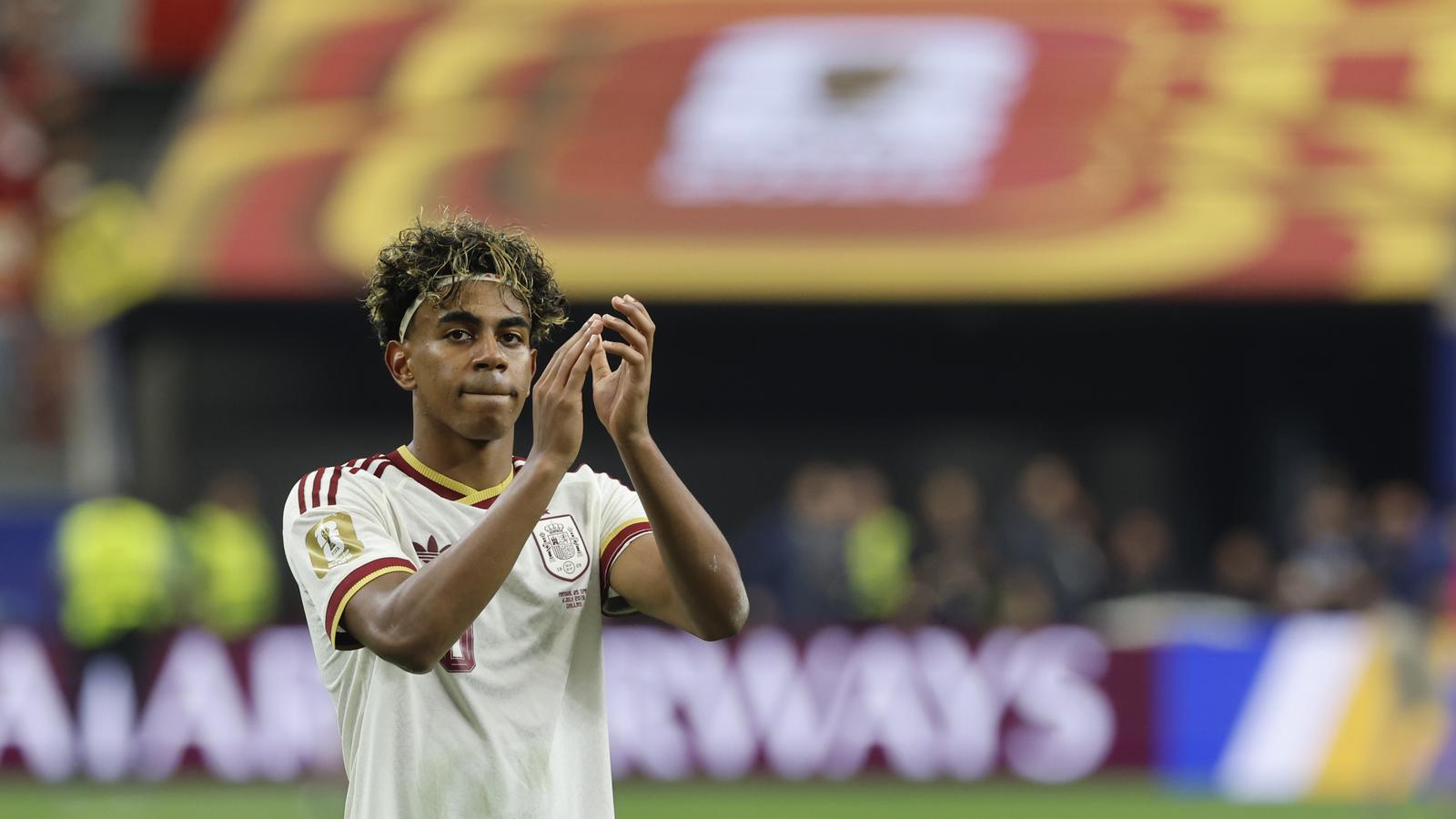

The eve of the 2010 World Cup final, hundreds of thousands of Catalans demonstrated on Passeig de Gràcia against the ruling that the Constitutional Court had just issued on the Statute. The front pages of that Sunday were quite graphic: a huge Catalan protest and, next to it, a huge Spanish hope, due in large part to the talent of players made at Barça.Sixteen years later, history has repeated itself with a reheated flavor: the Spanish justice's indifference to the ECJ's ruling on the amnesty, and the news that the Spanish government invested more than double last year in Madrid (20.9%) than in Catalonia (8.6%) have arrived at the same moment that newspapers around the world were explaining on their front pages the story of two players made at La Masia who have become World Cup icons, with the Spanish team a stone's throw from glory.In terms of political and economic power, then, we are where we were, even though we tried to make an impressive solo escape. The same can be said of Spain, which is where it was, going its own way, mistress of the ball, which combines two games: either repression or stick and carrot, both with a similar result: despite rubbing against 20% of Spanish GDP with one hand tied behind its back, which is a remarkable feat, the stagnation of Catalans is a fact.Repression or the stick and carrot are taken for granted. The variable that must change so that when another World Cup arrives we don't have to repeat headlines is knowing how to convert our proven capacity in so many areas into a strategy for political power, and the first step should be a concertation of interests that makes it more difficult for the owners of the ball.
