Small uncomfortable truths (1)

-
CAT -
CAST
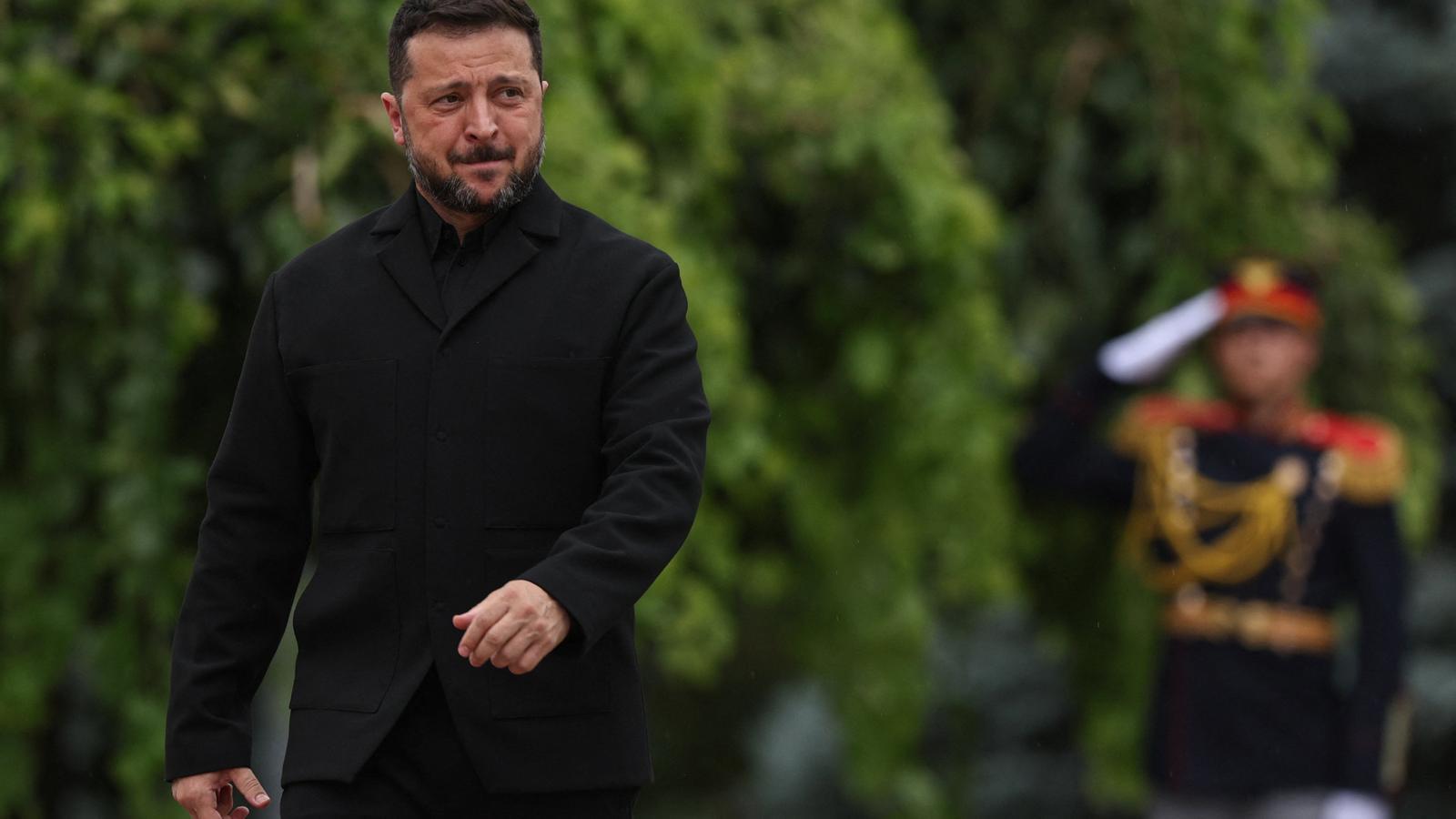
1. Football clubs in the Spanish league, in the late 90s, introduced the custom of covering minutes of silence with music. They did this to avoid shouts or insults from troublemakers. In English stadiums, on the other hand, they do not play music, and the fans of one team and the other usually keep their mouths shut. Fifty thousand people absolutely silent is an impressive spectacle, yes, but above all it is a breathtaking show of respect. In England, if any jerk tries to boycott the tribute, the crowd starts clapping to deactivate them. A civilized people should know how to manage, without institutional help, the griefs that touch their hearts. 2. It is enough to visit any country in Northern Europe to perceive that we, the Catalans, are culturally closer to the Greeks, Spaniards, Portuguese, or Italians than to the Danes, Norwegians, Finns, or Flemish. Like it or not, we are a southern people: poor, dirty, sad (at times), and unfortunate. A touchstone that never fails to know who we really are is to check the state and cleanliness of public restrooms: in train stations, service areas, gas stations, or cafeterias and set-menu restaurants.3. Regarding cultural differences, ARA published a revealing piece on August 1st: politicians in Southern Europe do not resign like those in the North. Here, we interpret resignation as a weakness; in the North, as a sign of honesty. I propose a complementary explanation: Catalan politicians confuse their feelings. They believe that if they resign when there is a problem, they are acknowledging that they are to blame. But no: resignation is not an admission of guilt, but of responsibility. This entails taking charge not only of one's own decisions, but of the decisions (and mistakes) of all the people on our team. And then, a politician who resigned when appropriate should not have to be finished for the public cause.4. In April 2019, Volodymyr Zelensky was elected president of Ukraine. Three years later, Russia started a war. Until today. Soon, Zelensky, elected only once, will begin his eighth year as president. Holding elections in wartime is not easy. In fact, on the very day the invasion began, martial law was decreed, which expressly prohibits calling elections, going on strike, organizing demonstrations, and going out during the curfew. Martial law allows the government to censor and control the media and prohibit the activity of parties if it considers that national security is at stake. I do not have a clear opinion on this. I see the difficulties, surely insurmountable, of going to the polls while at war. But when you have been governing for many years with the prerogatives that, under normal conditions, only dictators have, the incentives to keep things as they are are very powerful. 5. With or without an invoice? When the carpenter, the plumber, the bricklayer, the mechanic, the painter, the physiotherapist, or any other professional asks you this question, what do you answer? I answer: with VAT and with an invoice. But, for an instant, I have the impression that I am being a fool. From the client's point of view, the only advantage of paying for services with VAT is peace of mind, which for me has enormous value. However, since they still keep asking me the question, I have to think that the underground economy continues, as always, in full swing, and that peace of mind, in general, is an asset in decline. The other day, while waiting for my visit at the dermatologist's office (I was covered by my insurance company), the receptionist reminded another patient, out loud and quite calmly, that they had to pay for that session in cash. A fair, responsible, and internalized tax system is still the great pending subject of our country.6. Since I have been writing these articles for ARA, more or less every two weeks, I have seen that in the comments, invariably, there is always some reader who demands something along the lines of: “Yes, yes, plenty of chatter, but where are the solutions?” This challenge to my texts is as legitimate as it is discouraging, because what it highlights is that there are those who believe that problems such as the assimilation of immigrants, global warming, the depressing operation of Rodalies, and the abysmal level of Catalan students could be fixed with a formula that would fit on half a page of this newspaper. When the mental framework is this, the inclination towards simple and easy-to-understand political offers is, to the misfortune of democracy, the most natural one.
