Make way making way
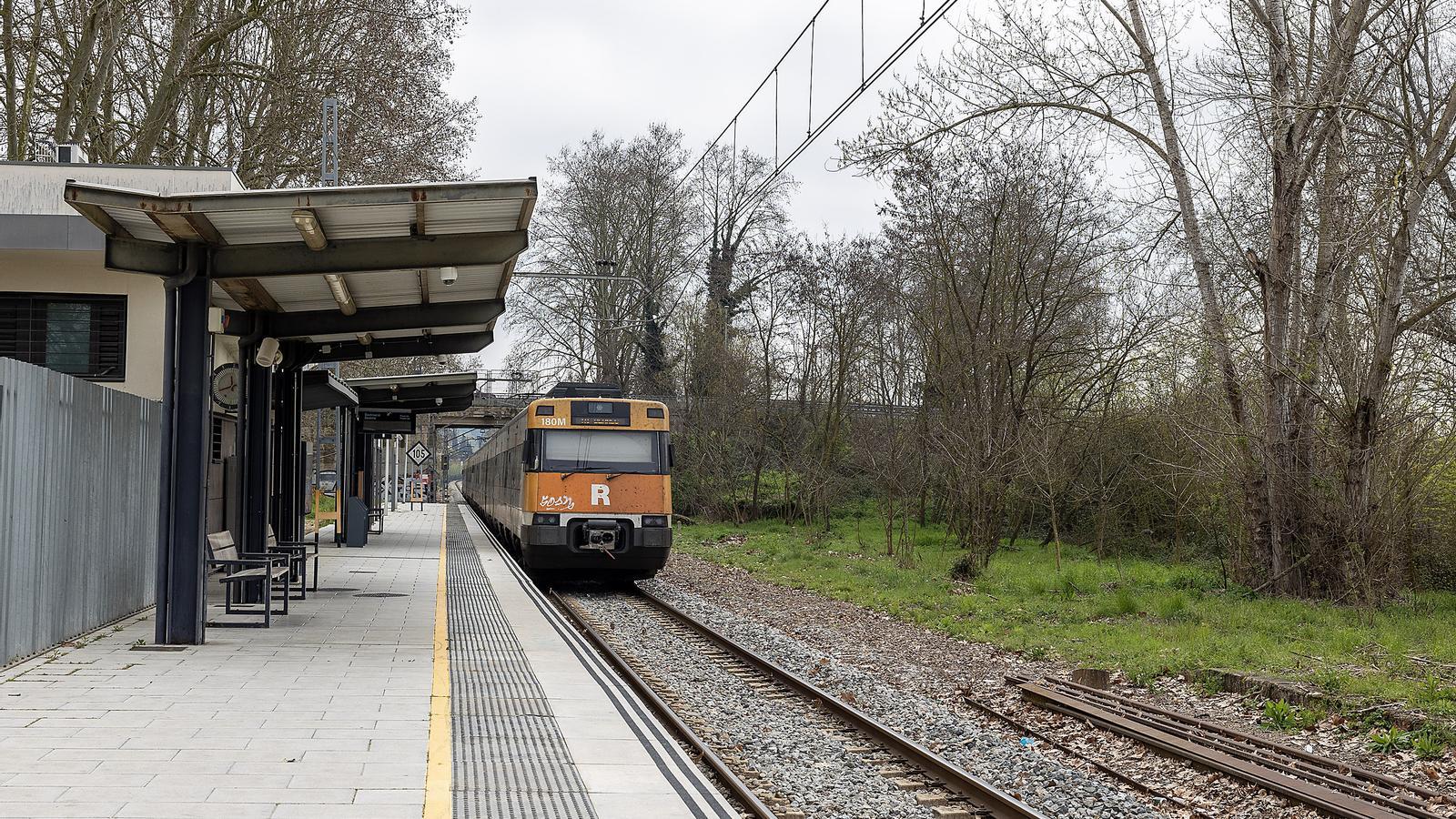

The Minister of Territory, Sílvia Paneque, has presented the "first Railway Services Plan of Catalonia", which states it will organize and reorganize the railway system (and by extension, the mental health and family life of the beloved Antonio Carmona). I read that they will put on more trains, that they will double the kilometers of track, that they will rethink "the timetables, routes, and frequencies of Commuter, medium-distance, and high-speed trains", and that they want to implement "regular and repetitive timetables, easy for passengers to remember, along with the improvement and increase of frequencies throughout the network". And it all seems very good to us that they are moving forward. And that they put on trains, yes. However, that they want – as a plan – to implement repetitive and easy-to-remember timetables for passengers will keep me erotically charged from head to toe until I get my pink card.
To begin with, right now, the timetables couldn't be easier. To the question: "When does the semi-direct train to Sant Vicenç de Calders pass?", the answer is "it's unknown". Or "maybe today". Remembering the timetables now makes no sense, because they are not respected. Often you imagine trains and more trains accumulating in Sant Vicenç de Calders and a dusty desert in Vilanova. But come on, let's rethink an ideal world where trains do run on time. What is an easy timetable? That the Manresa train leaves at three and not at two fifty-eight? To forget forever a departure at twelve past six? Yes, agreed. Let's assume so, that "exactly three" is easier to remember, and that the Manresa train from Sants, under the new order, will leave at the easy time. Then, at the next station, Plaça Catalunya, where it arrived at ten past three, it will arrive at twelve past three, which, we deduce, is much harder to remember than ten past three. This delay will be maintained at each station, being an act of unprecedented centralism, unless the trains wait a few minutes at each station to make it easy for users, finally.
