The Moroccan girl who didn't fit in her country
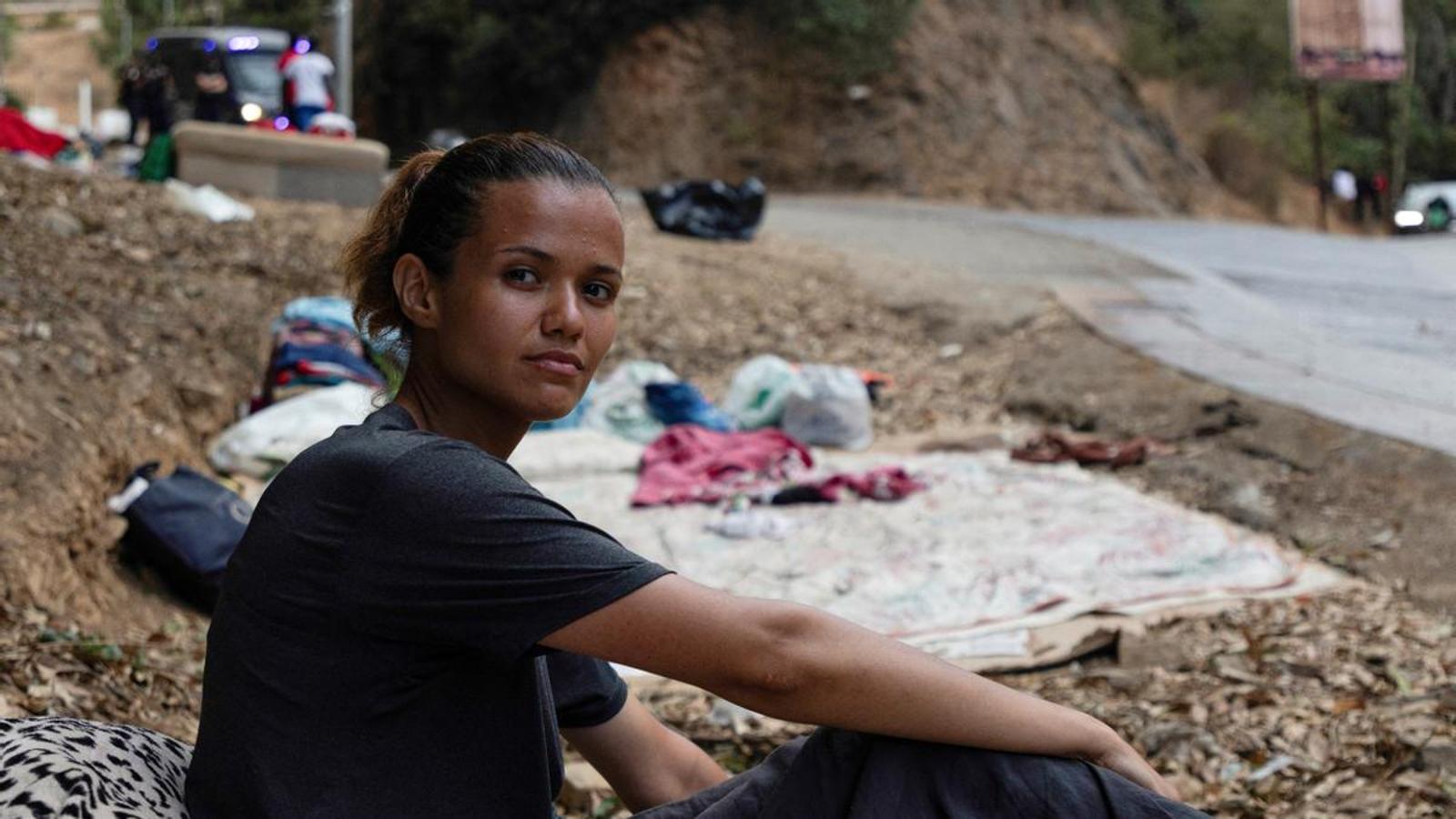

BarcelonaThe fachosphere has been buzzing these days against the case of Wafae Atid, a young Moroccan woman who participated in the attempt of massive entry into Spain by sea through Ceuta and who explained her case to El País. In statements made in perfect English, Atid explained that in Morocco "men are above women" and at home they gave her problems, for example, when traveling alone or adopting a certain lifestyle. Automatically, some profiles took advantage to track her social networks and reveal that the young woman had been in places like Qatar or Indonesia and that there was no evidence that she was going through great hardship. A campaign quickly began against her, for being a fraud, and against El País, for giving her a voice.
El País has been forced to speak with her again and clarify some points, while maintaining the core of the story. Indeed, in the interview she was given, Atid did not say at any time that she wanted to emigrate for economic reasons, because she is an educated person and can access good jobs, but rather to flee from what she considers to be an oppressive patriarchal environment in her country. "It is very difficult to live in a country that does not fit you," she said.
And here comes a reflection. The people who emigrate are not the ones who are worst off, but people who have accessed a minimum standard of living (for example, to pay the mafias) and aspire not only to survive but to a better life than their countries of origin can offer them. This explains why in Morocco, which objectively is much better off than 30 or 40 years ago, young people still want to emigrate. In the same way that in Spain the bulk of immigration did not occur in the 40s or 50s but in the 60s, when things were a little better. Therefore, not all those who risk their lives to come to Europe are starving, they are people who want to prosper, and are willing to risk everything to achieve it.
