Heat: feeling inequalities
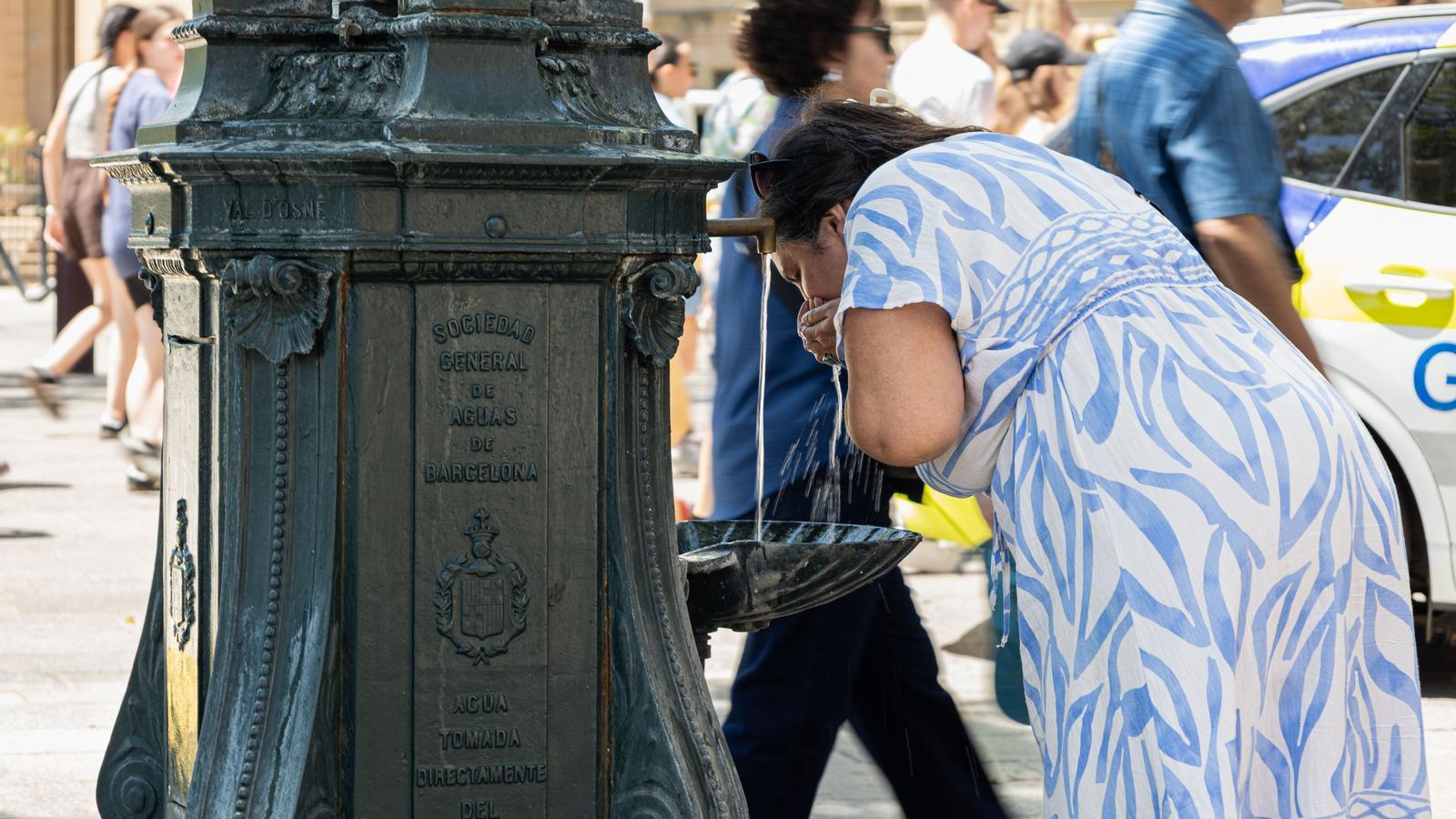

As this newspaper recently published, the heatwave at the end of June has so far caused 43 deaths in Catalonia. But these deaths, like exposure to extreme temperatures, are distributed unequally. Social vulnerability plays an important role in this inequality.According to a recent study by IGOP (Institute of Government and Public Policies of the UAB) which analyzes the combined impact of socioeconomic vulnerability and exposure to extreme temperatures, in metropolitan areas there seems to be an urban gap in relation to climate, and it is in the most vulnerable neighborhoods in socioeconomic terms where a greater impact of this situation occurs. More affluent neighborhoods systematically present a lower temperature due to factors such as lower population density, better insulated homes with more thermal conditioning, and more urban green space that helps regulate temperature. Therefore, the most impoverished neighborhoods, which are in the inverse situation, present a higher level of thermal stress that reverts to other factors, such as health.This objective and material reality often goes unnoticed in its full dimension because, once again, we glance at the global impacts of social inequalities. We know they exist. We name them, but if we don't experience them directly, it's hard for us to realize that daily life is permeated by the socioeconomic situation at all times. We learn about it sporadically, or at most occasionally, through news like this in the media, which provoke a brief moment of empathy in us, but that's all. Worse things are happening, we tell ourselves. And perhaps that's true. Contextual explanations pointing out how the socioeconomic model we live in and are increasingly deepening is leading us to truly critical situations are scarce and seem to be of little interest. Breaking down information about what poverty means in people's daily lives into small doses has this effect. Today we talk about thermal inequalities, but we have already spoken at times about inequalities in health status by neighborhoods. We also know and have explained that energy poverty affects vulnerable neighborhoods in cities more, and we have data on inequalities in children's academic performance and children's food poverty, also by neighborhoods. And, above all, we talk and write a lot about how the lack of housing or deficient housing causes extreme life situations. We tend to read it in isolation, but the most important thing is to understand that all these situations and many others that I don't have space for here are connected and cross the same lives, the same people, the same families; that the fact that we highlight one over another, because the novelty of the news demands it, does not mean that these realities are disaggregated. And now I would ask you: can you think, but above all feel, what it means to live daily with all the situations of social inequality that we talk about separately and in abstract?
