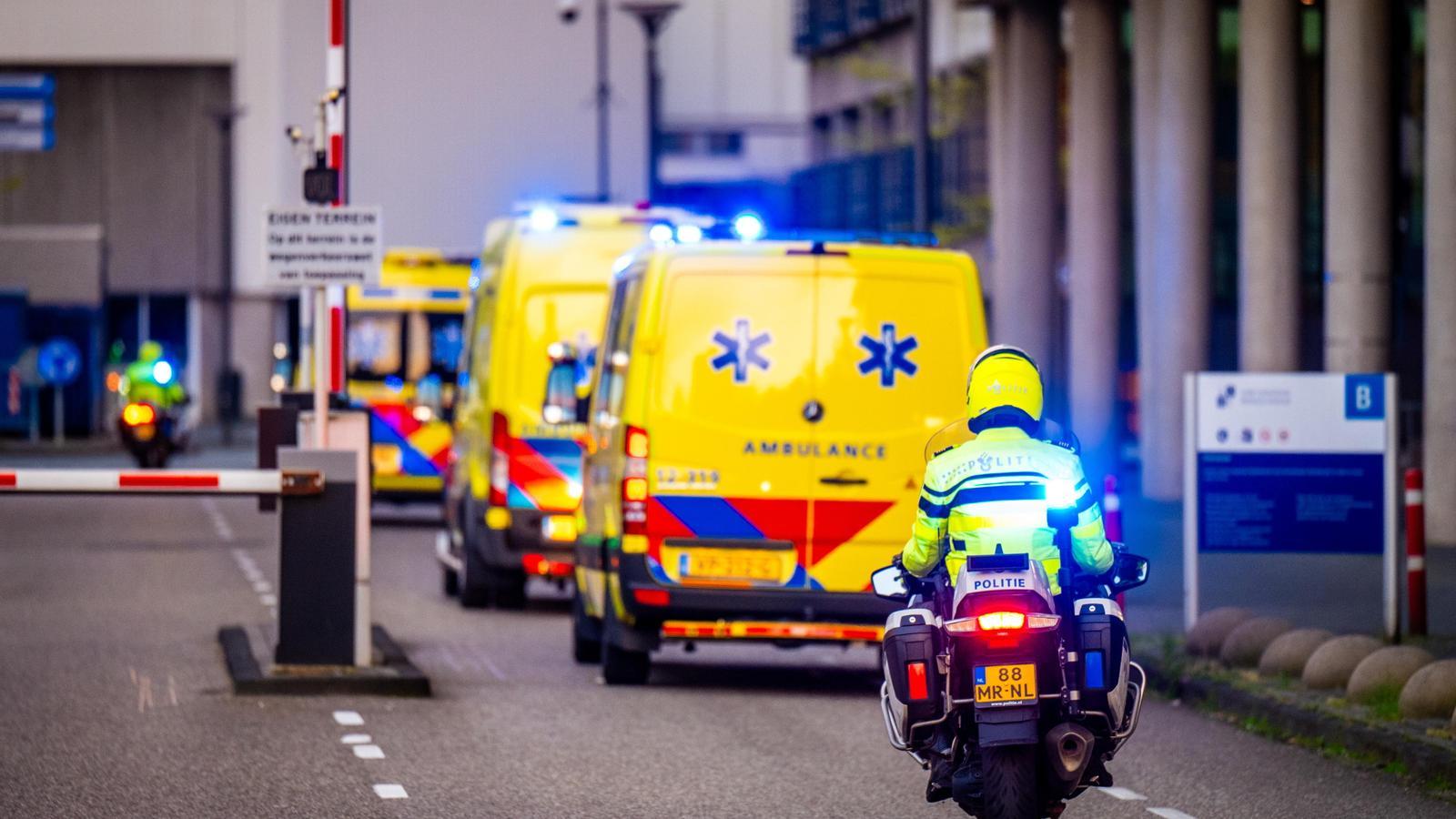

We live in an era where information can be —as never before— accessible to the population, and health and healthcare topics should not be an exception. Curiously, this is accompanied by an increase in disinformation, the spread of myths, or outright lies. The boom of alternative medicines, rejection of vaccines, distrust of scientific evidence or public officials, lead us to risks for everyone's health. Some even want to justify the dismantling of Health programs, such as the WHO itself, the Red Cross, or Doctors Without Borders.
This week we glimpse the consequences of this nihilism and distrust in the face of the hantavirus outbreak crisis on the Atlantic cruise ship.
When "new" infectious diseases appear, we may encounter unknown diseases, without scientific knowledge or historical memory, but also existing diseases that change, due to location or temporary reappearance. Covid was an example of the former. Multiple hemorrhagic fevers, such as those of hantaviruses, are examples of the latter.
And suddenly, in this first week of May 2026, here we are, following with interest and concern the news of the outbreak of pulmonary and circulatory disease caused by the Andes virus. Outside of its usual scope, where we know it has been endemic for over 30 years, with a few hundred cases annually, with the most severe form concentrated in Argentina and Chile. Andean researchers, with collaborators from all over America and many Asian and European countries, have managed to deepen their knowledge. We have reliable diagnostic tests (serology and PCR), and we know that, exceptionally for this family, this virus can be transmitted between people, although the main form of transmission is contact with rodents. Its management methods have progressed, which often make intensive care admission essential, and we know that the sooner we do it, the better. Adequate circulatory control, hydration, and oxygenation (if necessary with very recent techniques such as ECMO) manage to reduce mortality from over 50% to less than 20%. We do not have an effective antiviral or vaccine, but we have made much progress. We can save many lives by doing things right. All the doctors who have treated these patients place great emphasis on the importance of rapid diagnosis, of having a high index of suspicion, to improve prognosis. We are aware of the risk, low but existing, of transmission between people, to other patients, and, in some exceptional cases, to healthcare personnel. Therefore, the known isolation measures are necessary, especially respiratory isolation, and contact tracing and quarantine when indicated. We know what needs to be done and we can consult and study it in well-reviewed scientific publications, in English, Portuguese, or Spanish, such as a recent review published by an international team in Lancet, in 2023. We do not know everything, but we are not facing the unknown.
Given the potential severity of this viral strain, which incidentally will need to be studied with greater precision from a virological standpoint, in my opinion the priority response must be the care of the sick. It could be different if there were an effective medication that we could give to all travelers. But we don't have it. Therefore, it is crucial to take symptomatic patients to hospitals that have the necessary equipment. This does not mean that travelers and crew members who have coexisted these weeks should not be monitored. They must be followed up, tested as necessary to rule out infection, and comply with isolation quarantine where practical and possible. Here, one must not be so absolute: correct isolations can be carried out in hospitals, hotels, homes... and it can last from 2 to 6 weeks. Whatever the corresponding public health officials say. It must be ensured that diagnostic tests and disease management are activated upon any symptom.
Infectious diseases must be approached globally. And without solidarity, it will not be possible. For days we have been talking (and unfortunately some authorities amplify it) about a situation that "does not affect us", that "it's not our turn here", that if a certain country does not want to treat the sick, neither should we. Let's trust that it was just the fruit of the first impression, that we will reflect, and that we will not make a fool of ourselves.
PS: When we learned this week that a ship with hantavirus-infected patients was arriving in Cape Verde, I looked on Google Maps to see where they could be treated if they worsened. First options: Rabat or Las Palmas... I didn't see any ICUs with ECMO closer. Their lives depend on being well cared for. But I didn't have to decide anything.
