Germany, year zero
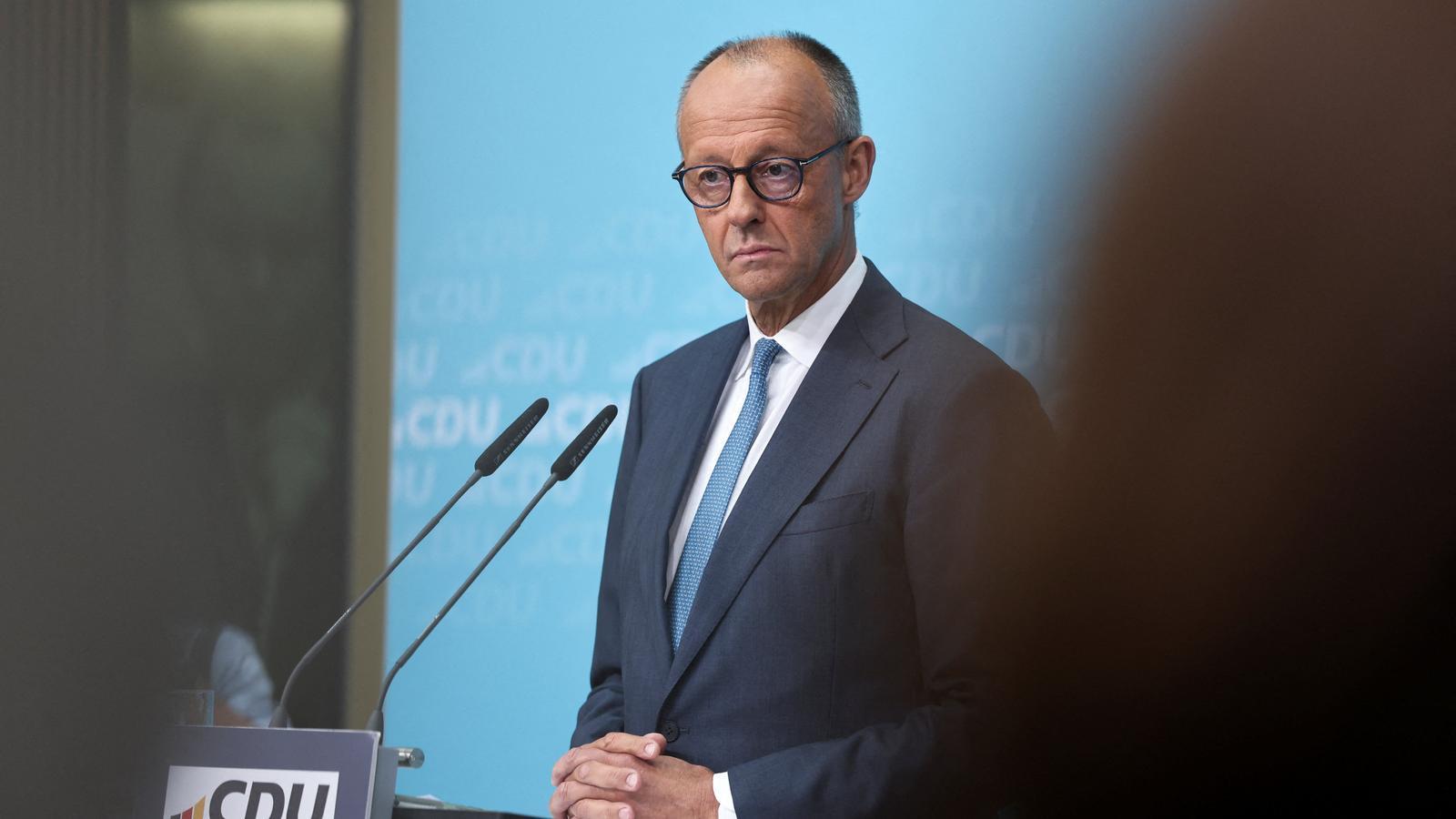

So here we are, discussing whether the AfD (Alternative for Germany, the party that won, by a wide margin, the elections in the federal state of Saxony-Anhalt) is Nazi, neo-Nazi, far-right, extreme right, extremist... Let's call it what we want: eighty-one years after their defeat, Adolf Hitler's supporters have once again won an election in Germany. Now it is all exclamations, but in reality, we are facing the umpteenth confirmation of the process of the return of fascism to Europe. Regarding this process, in fact, there is no need to speculate further, because it is already a fact. Now we must ask ourselves if it has the potential to become hegemonic again, in Germany and in the rest of Europe. The answer is yes. Someone will object that the words fascism and fascists have been abused to the point of emptying them of meaning: it is quite true and, if anything, one can add that the problem is that not only have these two words been trivialized, but also many others in common use in public debate, some as central as democracy, freedom or citizenship. But no matter how much political language has been worn down, blurred, and trivialized, that does not take away from the fact that fascism exists and is once again very strong. It has various causes for which it claims to take a stand, but the main one is undoubtedly the migratory movements and demographic changes occurring throughout the West. Faced with this complex reality, fascism and the far-right have a simple recipe: distrust in institutions (even though they run in elections to govern them), discrediting of the “political class” (even though they themselves are, also, “political class”), identity retreat, nostalgia for an imaginary past era in which everything was better, scientific denialism, and enormous doses of fear and hatred towards the different and, above all, towards the poor.It has become a commonplace to point to social democracy and, in particular, the “left” as the culprits for the rise of the far right and fascism, as they have not known how to provide an answer to the issues that concern the citizenry (from the outset, any pointing of the finger at a culprit is, in itself, a victory for fascism and the far right, because finger-pointing and blaming are forms of fear and hatred). It is possible, but the traditional liberal rights do not provide an answer either, as they try not to yield space to the far rights by assuming their discourse: Merz's CDU has ended up yielding, with its anti-immigration discourse, the majority of its electorate in Saxony-Anhalt to the far right.The results of Saxony-Anhalt are a mirror, and in Spain, where there is speculation about a new judicial coup d'état to imprison the head of government and where the right-wing party and the fascist one openly add up their results in the polls, the mirror reflects an especially worrying image. Germany, Year Zero is the title of a film by Roberto Rossellini about the material, but above all moral, devastation that fascism and war bring. It is highly recommended to watch it.
