Ceuta is still there

-
CAT -
CAST
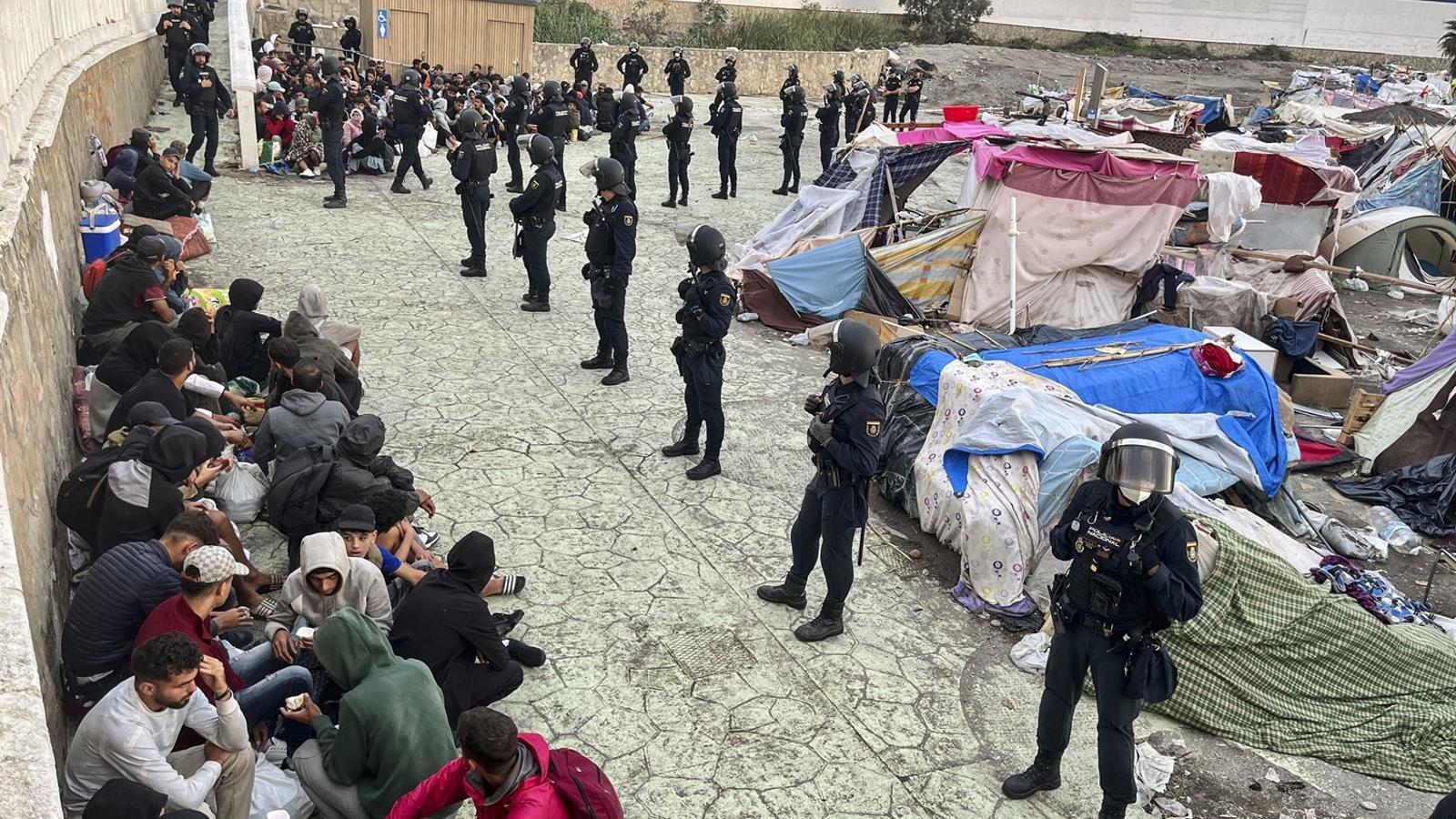
The political and social crisis that has exploded with Maricarmen's eviction, and which reached Congress this Tuesday, has largely made people forget the political and social crisis caused by the massive entry of immigrants through Ceuta on July 30th and 31st. In a way, it is as if one crisis has covered up the other and, trivializing it a bit, as if the one in Ceuta were the summer crisis, while the housing one were the back-to-school crisis. In both cases, public opinion reacts with the same question: what repercussions will these events have on the electoral cycle? More specifically: does Pedro Sánchez still have any option to revalidate the presidency? If it is Feijóo who finally governs, with what pacts with Vox will he do it? In both options, what happens next will not be like 2023: a redefinition of the political landscape will foreseeably occur, in the form of a deep upheaval. These questions are what have a large part of public opinion on alert, much more than the plight of immigrants or the evicted. This, of course, is also part of the dehumanization of the poor, one of the constants of our days.Ceuta has been and remains a very representative example of this dehumanization. The immigrants who have been trapped in the colony (in the autonomous city, in administrative language), those who died in the first days, those who have suffered hunger, thirst, and deprivation, have enjoyed very few considerations. Camps of helpless people have been set on fire, hunts for immigrants have been perpetrated, and open calls have been made to hatred, to murder, to a crusade, and to the defense of Spain by the most violent means possible. The immigrant has been literally put in the crosshairs, and even the children of immigrants have been labeled as invaders who do not deserve any kind of consideration, even by parties and political representatives who call themselves liberals, centrists, moderates, and democrats. The management of the Spanish government has been slow, cumbersome, and hampered by the incomprehensible servitude of the Spanish rulers to the Moroccans; that of the government of Ceuta has been disloyal and toxic. But even more worrying than that has been the opening of the floodgates of hatred to let out the old discourses that deny people their human condition, the kind of discourses that precede massacres or waves of executions.

The victims of speculation and evictions also suffer from stark dehumanization. For this reason—once again, beyond the political repercussions the case may have—the public indignation at the image of a fellow species member (I borrow the term from Donna Haraway, which she extends to animal species) from whom they have sought to take, like so many others, their place of residence and their very human dignity, is interesting. This indignation, this collective reaction to a particular case, is a form of rehumanization. And for that reason, it is excellent news, amidst it all.
