Is it a privilege? Yes, but also a right

-
CAT -
CAST
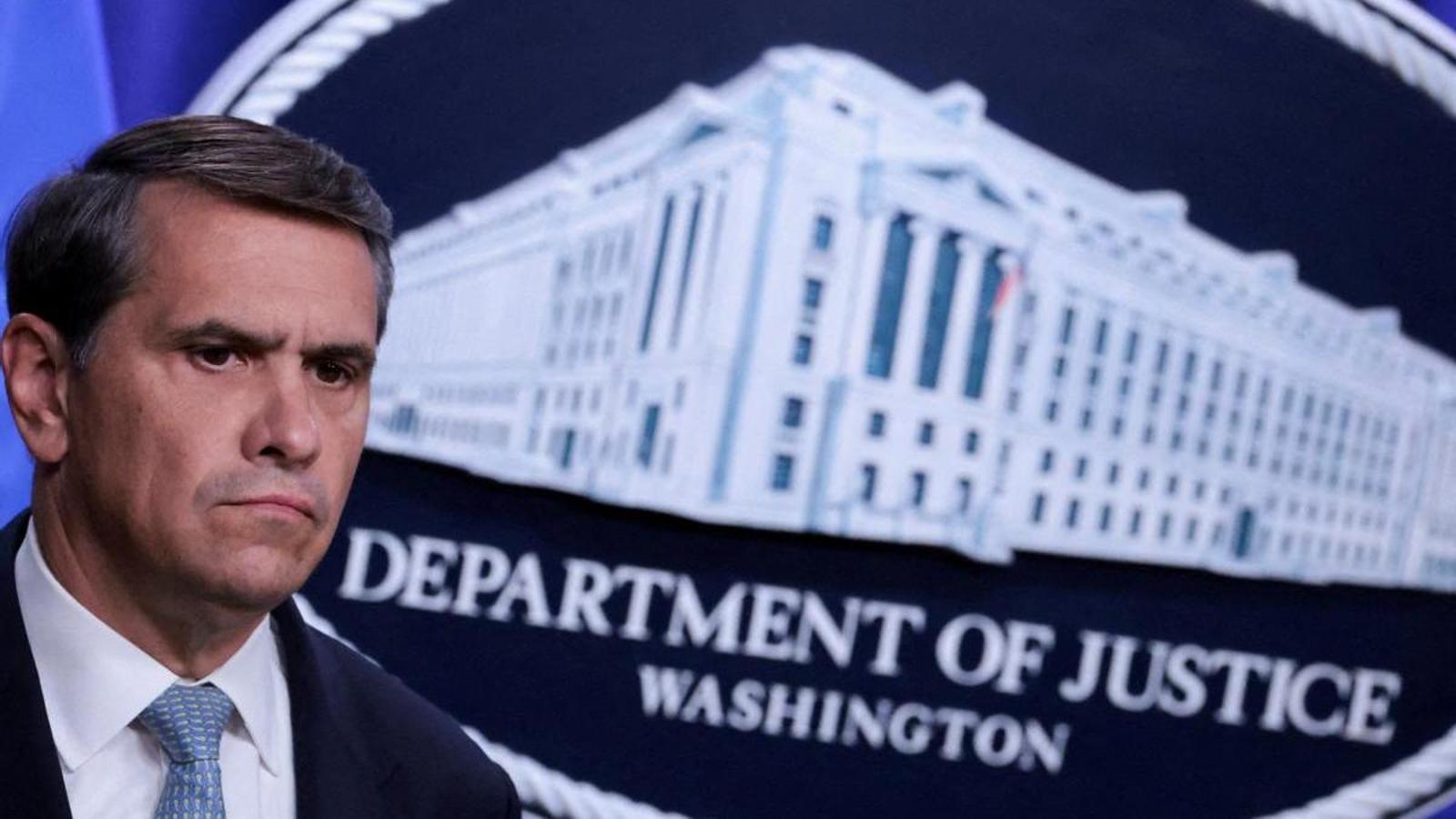
The United States Attorney General, Todd Blanche, justified Trump's veto of three media outlets' access to the White House by arguing “that it is a privilege, not a right, to be there.” It is a very unfocused statement, unbecoming of a position of his stature. Obviously, being able to enter the facilities of the most powerful government in the world is a privilege, in the sense that the ordinary citizen cannot do so to ask the questions that trouble them. But the press is not the beneficiary of this privilege: it is merely the vehicle through which the fundamental right to information that appears in any minimally articulated definition of what a democracy is, is guaranteed. Therefore, the true repository of this right is not CNN, MSNBC or Politico, or any other journalist who irritates Trump with unfavorable coverage: it is the American people as a whole. And, therefore, when he denies access to central media outlets like these, what he is doing is undermining this right to independent information, if you'll pardon the redundancy.
Blanche tries to shield his position by resorting to the classic accusation of professional malpractice. But he provides no proof of any news story with falsehoods. Rather, it seems that any article that does not paint Trump's government action in a rosy light is immediately branded as false and bad journalism. In recent years, democracies around the world have taken timid steps in favor of transparency. But we live in a regressive era and the United States is marking a path of opacity, ostracism, and selective vetoes due to antipathy that is not hard to imagine here if ultra-populism wins. And this is where the far-right comes in, which today seems to hold the electoral trump cards, but also a certain left-wing that we have seen defend censorship policies with the excuse of controlling fake news.
