Amnesty without joy

-
CAT -
CAST
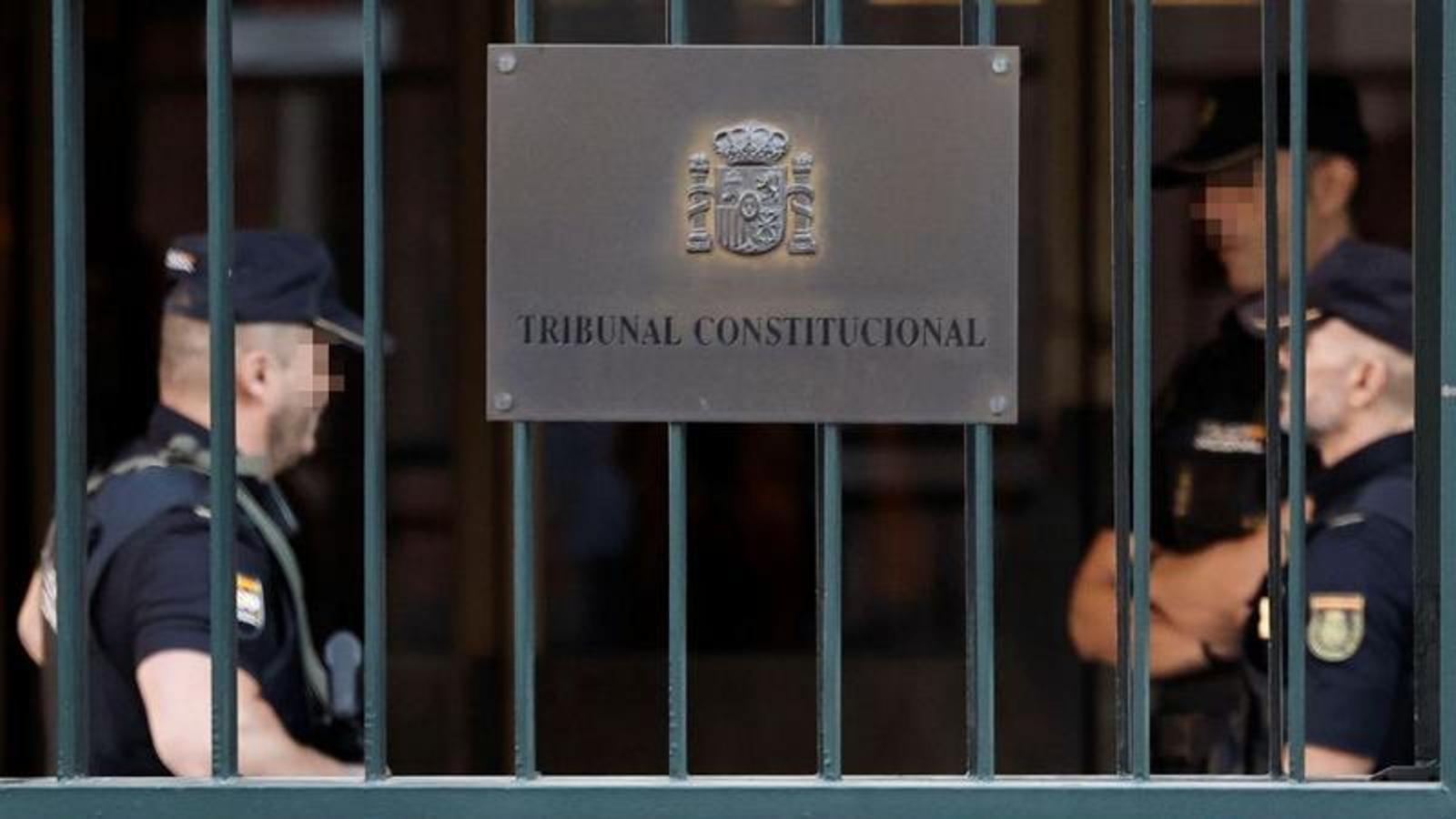
As of now, the application of the amnesty law still has more than 150 cases pending judicial resolution. According to data from Alerta Solidària, there have also been 104 explicit denials of amnesty (certainly not to the police officers who beat citizens in the streets: they were the first to benefit from it). The law came into force in June 2024, more than two years ago. The justice system has been far less diligent in amnestying Catalan independence supporters than in exonerating Ayuso's boyfriend or taking down a State Attorney General. A matter of priorities, we must assume.Finally, it has also been necessary to force the amnesty for the crime of embezzlement (non-existent, given that none of those convicted/persecuted by Marchena and Llarena profited or benefited from the expenses of the referendum). The Spanish courts, by the way, disregarded the crime of embezzlement (which they themselves had put forward as an accusation) in the glorious times when patriotic talk show hosts made jokes about the toponym Schleswig-Holstein and some journalist of their ilk called for bombing German breweries for having “humiliated Spain” by not having handed over Puigdemont at the behest of the flawed requirements of the aforementioned Llarena. These are things worth remembering to keep in mind that the road that has led us here over these nine years has been long and stormy, but not full of knowledge, like the road to Ithaca that Cavafy asked for, but full of sound and fury, of arbitrariness and abuses, of wrong decisions and an etcetera as endless as it is ignominious.On the Catalan side, the space that the pro-independence political parties left open while they were busy killing each other stupidly has been filled with jingoistic charlatans, each one more absurd and toxic than the others, to the point where the emerging “pro-independence” force, destined according to everyone to sweep the next elections, is a fascist party that sides with Vox to insult the memory of President Companys. On the Spanish side, the thirst for revenge has led to the collapse of the thin partitions of the separation of powers, in state institutions populated by ideological heirs of Francoism and far-rightists of new coinage and the latest batch. The State also amnesties itself (above all itself) from the judicial persecution perpetrated against the independence movement, which, on the other hand, and as was to be expected, has been extended to anyone who might be suspected of treason against Spain, even if it concerns the president of the Spanish government. Nine years later, the amnesty satisfies no one, and the darkest versions of patriotism, both Spanish and Catalan, have taken over the landscape. But the most sinister thing of all is that the judiciary has become accustomed to correcting, and exercising, the functions of the executive and the legislative branches.
