'Genesis': a series that makes you hungry
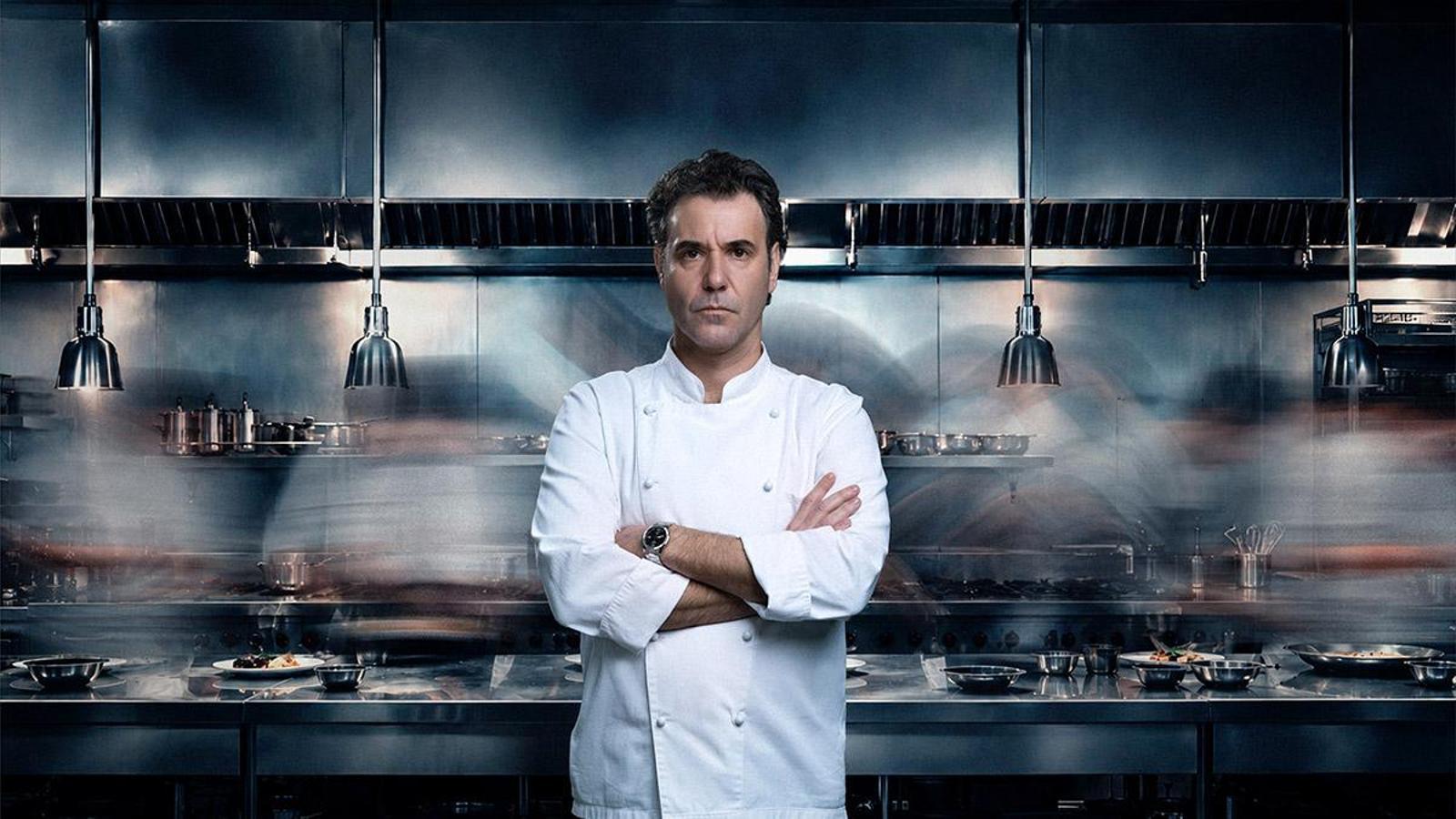

On Monday evening TV3 premiered Gènesi, the six-episode series that, through a biopic of the chef Ferran Adrià, explains the gastronomic revolution that El Bulli represented. So far we have only seen two episodes, and what is most striking is the performance of actor Miquel Fernández stepping into the chef's shoes. He finds the optimal balance of the character without making it a parody or falling into a free reinterpretation that distances us from the protagonist. He imitates him so well that we don't understand him when he speaks, as has always happened with Adrià. But he also achieves a facial expression with which he does not need to open his mouth for us to recognize the genius of the kitchen. The performances of the rest of the cast are uneven, but the physical resemblance to the originals is commendable. The images in the final credits are a wonderful idea.The series is infected by Ferran Adrià's ambition. It forces the television production to live up to it. There is one aspect in which Gènesi could not fail: when it came to showing the food and the gastronomic creations. It is difficult for food to be appetizing on television, for boxes full of fish to seem like attractive treasures and for each dish to seem masterful. It requires an advertising meticulousness that the series achieves successfully. The viewer must want to taste what they see, they must feel tempted and seduced by the culinary proposals. All this also demands rigor in the documentation to be faithful to the history of El Bulli. The locations are in tune with this approach. Not only are the spaces recreated very well, but a visual elegance is achieved in the production. Beautiful places and settings with a desire to establish a poetics between the landscape, the product, and the mood. It is the materialization of the gastronomic experience that goes beyond the palate to produce sensations. Representing this through the image demonstrates the importance that the series wants to give to the act of thinking, which has a lot to do with the essence that is intended to be highlighted about Ferran Adrià. There is a moment when Juli Soler reproaches the protagonist for not talking much. And this is where, perhaps, this psychological ambition goes a bit overboard. The supreme intellectuality and the genius of the chef are boosted so much that at times the series errs on the side of being pretentious. The direction is very affected and affects the framing and the rhythm. The lyricism and the message between the lines are forced so much that you distance yourself from the story and remember that you are watching a recreation. The emotional intention of the music is so explicit and brazen that the soundtrack seems more manufactured than composed.The secondary plot of the Canabachs loses interest due to being imaginary and by simple contrast with the power of the desire for truth that attracts the viewer. The great appeal of the series is, at the same time, its main flaw: being based on real events (with a significant dose of sweetener). This has a very elementary problem: there is no plot conflict to resolve. That it is based on a true story awakens the audience's interest. If it were pure fiction, it would hardly hook us.
