The blunder of 'Sidosa'
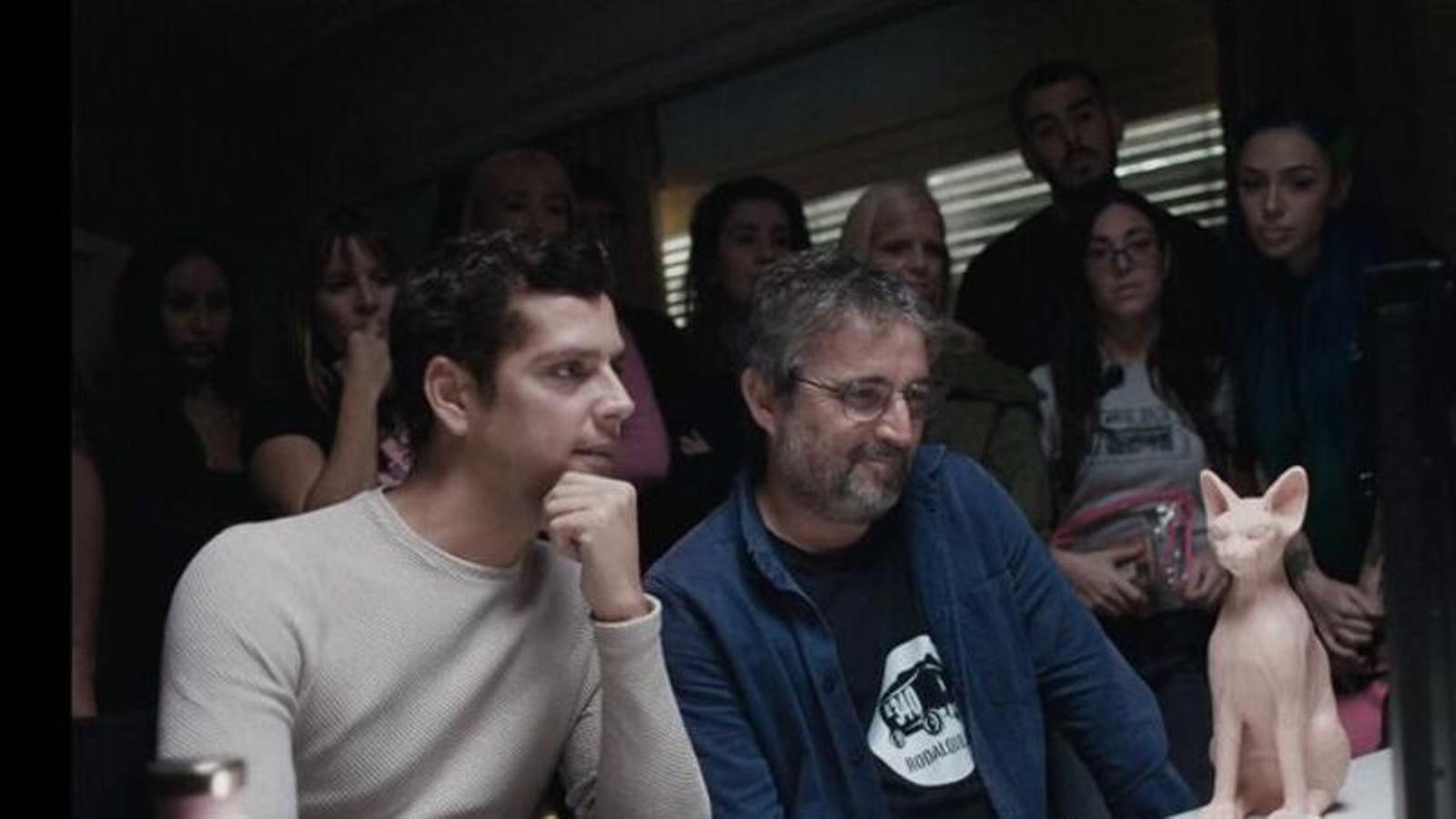

Jordi Évole and Eduardo Casanova's new documentary to raise awareness about HIV causes great perplexity. Firstly, because of the title: Sidosa. The actor, who has the virus in an undetectable state due to medical treatment, tells Évole: “I have AIDS. Well, I don't have AIDS. I say «sida» as a reclamation, because I like the word. HIV and AIDS are two different diseases. But, just as gay people have reclaimed the word «maricón», I want to reclaim «Sidosa». I would love to”. The reclamation of words, especially insults, requires decades of shared cultural circulation. They are not an individual decision. Because then one falls into trivialization and the temptation to turn a very serious historical and health stigma into an aesthetic operation. The feminization of the term also deflects the focus. In Spain and Western Europe, the epidemic predominantly affects men, with rates exceeding 80% of cases. Everyone is susceptible to infection, men and women, but giving it a feminine gender is a theatrical transgression that has nothing to do with the epidemiological reality or with HIV education. It is understood that the title seeks queer dissidence, but this is also a way of specifically linking the collective with the disease again, and this reactivates imaginations that for decades contributed to stigmatization.The result of the documentary is a mess. Eduardo Casanova's role dilutes and hinders the educational purpose due to an egocentrism and immaturity that turn the narrative into an at times unbearable loop. The actor's rhetoric confuses and even causes the discourse to regress. He himself, on several occasions, faced with the panic of telling his surroundings that he has undetectable HIV, speculates on when to say it, and repeats "I have AIDS!". In the context of a film festival, he suggests to Évole: "And if I go up and say: “Look, I have HIV! I have AIDS!”", making the two conditions synonymous. In the documentary, phrases like "We've been stuck in the eighties" and "Things haven't changed that much". Unfair statements given the reality, both scientific and human.An activist advises Casanova to always maintain dignity when communicating it, speaking with serenity and firmness. The protagonist contradicts the approach. It is legitimate for the actor to express fear, anguish, or vulnerability. But the imagery he projects to the viewer is too often melodramatic, with hyperbolic emotionality focused on the identity wound and a spiral of suffering. After communicating it to his hairdresser, he asks: “Are you afraid to cut my hair now?” This is going backward and reiterating prejudices. This drama pigeonholes HIV into an inexorable pain that goes against the medical advances that have transformed the lives of seropositive people. The documentary falls very short on positive references, normalization, and prevention education, which is what is needed. Sidosa is organized from a devastated self-perception that reinforces the stigma it seeks to combat.
