Neither humor can aspire to more, nor journalism to less
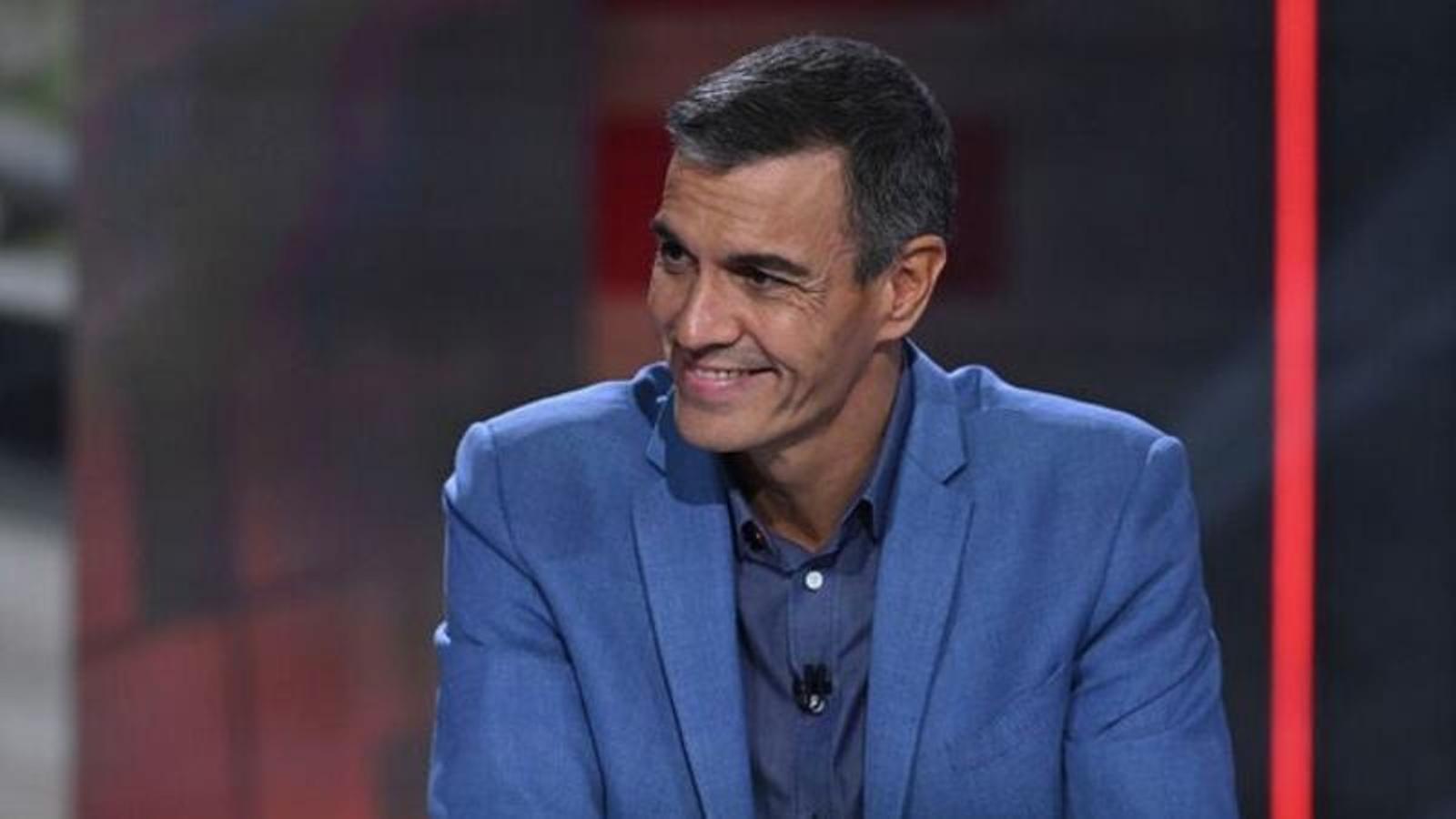

On Monday evening, the Atresmedia group counter-programmed itself with some symptomatic television offerings. On Antena 3, on El hormiguero, Pablo Motos interviewed the president of Ceuta, Juan Jesús Vivas, to talk about the migration crisis. In the city, the local business community even organized giant screens to follow the broadcast collectively. Meanwhile, on La Sexta, the political satire space El intermedio interviewed Pedro Sánchez. It is a way of guaranteeing the satisfaction of the different ideological sensibilities of the viewers.In the battle of the ratings, in Catalonia they were secondary options, and the Spanish president came out on top. It gathered 206,000 viewers and Vivas 115,000. In Spain it went the other way around. El hormiguero was the second most-watched program of the day, with just over two million viewers, while Sánchez brushed against one and a half million.While Motos was stirring the pot of the Ceuta epic, El Gran Wyoming and Pedro Sánchez put the stones to sleep with an anodyne interview to go through the motions. Conscious of the political complexity of the moment, the host had a deflated mood and only on rare occasions added, out of a sense of duty, some humorous tag to the question. Pedro Sánchez dragged out his answers so much and Wyoming had so little desire to follow up or scrutinize the arguments that it became boring. The host had no desire at all to complicate his life or to complicate it for Sánchez. The result was unworthy of what current events demand right now. We need more attentive and sharp journalism, especially in front of a Prime Minister who escaped with evasions and a lot of rhetoric. Sandra Sabatés's desire for rigor was a mere facade. Paradoxically, the most necessary and concrete questions were asked by two citizens of Ceuta through a video. And even then, no clear and committed response was obtained from Pedro Sánchez. The most sarcastic questions were assists, short and to the foot, for the President to attack political opponents and judges. Wyoming's discomfort evidenced his compassion for the guest. At the end of the interview, the host thanked him with a circumspect tone and accompanied it with a dose of encouragement: “Strength, because morally it must be complicated”, he wished him with his head bowed. A strange farewell for a sharp humor program.On Tuesday, the news programs echoed the most prominent statements by Pedro Sánchez and Juan Jesús Vivas. Years ago, it was the comedy shows that followed in the wake of the political interviews conducted by the most seasoned journalists. Now it is the other way around. The news programs must feed on what they gather from comedy spaces. These are programs that do not conduct interviews with alternative content, but rather imitate the codes typical of the political genre. Neither entertainment could aspire to more, nor journalism to less. And all of this says very little for the political class, which increasingly avoids specialized professionals.
