Reading comprehension in the time of AI
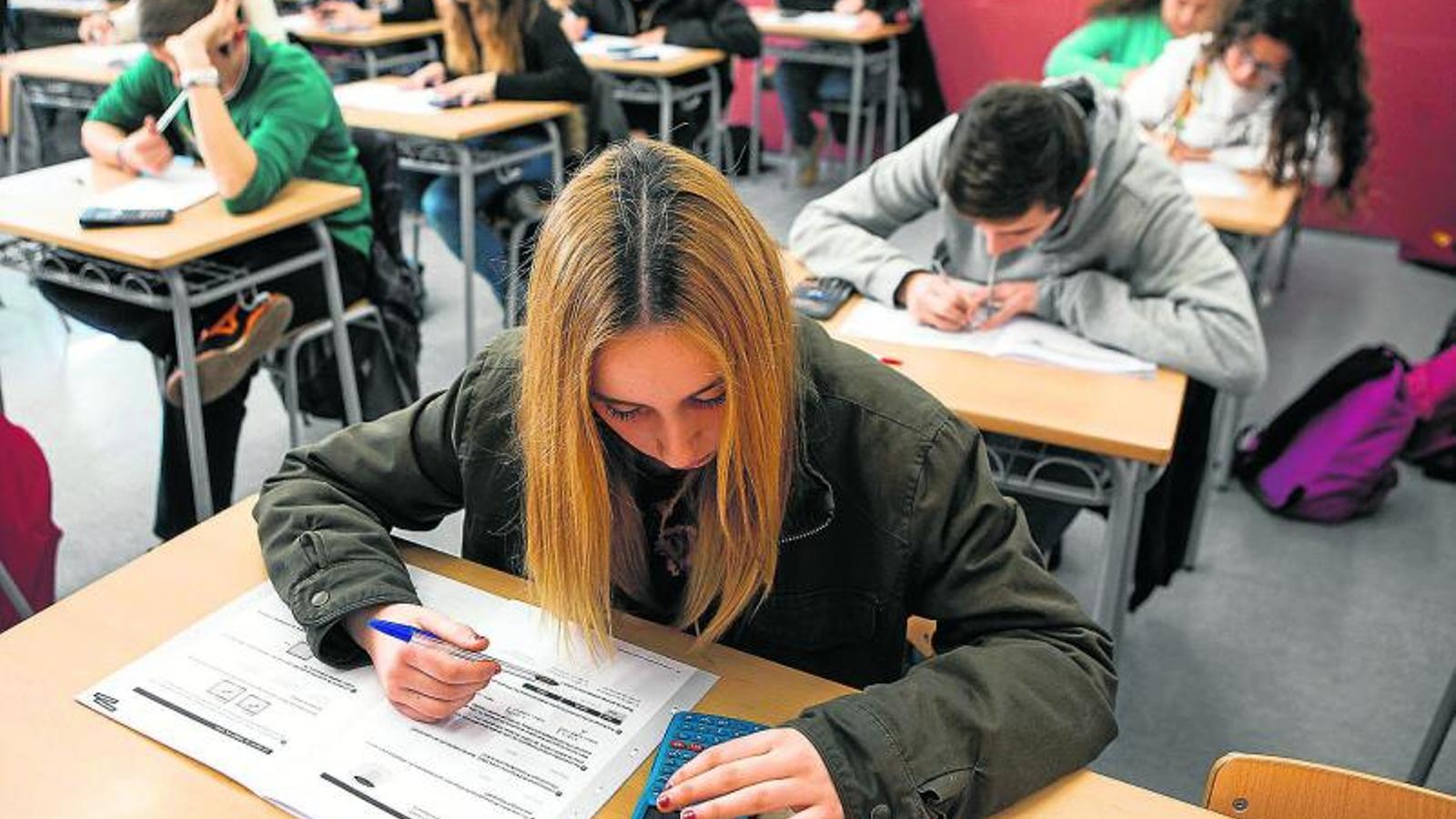

You don't have to be an expert to deduce that if our students are doing very poorly in calculation and reading, they would need to increase (and intensify) the hours of mathematics and language, from primary to secondary school. This is as evident as it is complicated to rectify in the short term. Precisely, the latest innovations have stolen the spotlight from these two basic areas of knowledge and have been sacrificed (or mixed) with other proposals that are perhaps more attractive to students, but which PISA results confirm are distancing us dizzyingly from the minimum requirements.
Many teachers had been warning about this. You cannot play lightly with methodology because any change must have guaranteed success. It is essential to calculate with precision and responsibility (with political consensus of the country) how we fit basic learning with the challenges of the 21st century. It is the future of our children. And now the seams of our system have become especially visible because, in parallel, our classrooms have also become devilishly complex. We can narrow it down to the last twenty years in which I have seen from the inside how everything became complicated and bureaucratized to the point of collapse. For example, diversity requires working by levels if we do not want to leave people behind.
In reception classrooms, the majority of newcomers have a low or very low level in mathematics, physics, and chemistry and, for obvious reasons, in Catalan and languages in general, which means spelling, grammar, and reading comprehension. New technology has embraced the image over the text, and the summary over the deepening. Before, the summary had to be done by the student; now it is given to them summarized from the book or by the teacher. And the simplified version of everything is studied, in all subjects. Easier, more passing grades. And less demand, obviously. Therefore, less general culture and knowledge consolidated in a more superficial way. Add to that the frenetic pace of life, the lack of patience, and the meager concentration on tasks and study. A cocktail of screens and constant stimuli that generates a society that is not aware of what it does not know until global comparisons leave it in evidence. We suffer from the ailment of education to the detriment of teaching. If in the classrooms we have to dedicate a lot of effort to "educating in emotions," we lose crucial hours to cover essential syllabus.
Regarding the promotion of reading, most schools try to encourage it as best they can. Half-hour sessions every day, reading aloud, etc. The more we do, the better. Another piece of evidence. In any case, in general, in secondary school (ESO), undemanding reading materials are used, often chosen for the topic they cover rather than for their literary quality. This year, where I work, for example, we are taking advantage of AI resources to generate interactive questions based on selected texts. We must ally ourselves with the tools of the present because we cannot go against them either. Even so, we need to recover pure hours of humanities and sciences. And the third hour of language at the baccalaureate level. More, in this case, is surely better.
