Yemen, the reactivated war that has become a hot potato for Trump
The rebel offensive besieges the city of Taiz and threatens the transit of ships in the Red Sea, while it pressures Saudi Arabia to withdraw

-
CAT -
CAST
BarcelonaThe Houthi missile attacks against Riyadh airport, which on Saturday caused at least 14 deaths and more than 300 injuries, have once again placed Yemen at the center of international news. The explosions in the Saudi capital are dominating the headlines, but outside the media spotlight, a much more decisive battle is being fought within the country. Houthi forces have surrounded Taiz, Yemen's third most important city, and are contesting control of the strategic Bab el-Mandeb Strait, the gateway to the Red Sea. The poorest country in the Arab world finds itself plunged back into war after five years of relative calm. The blows being dealt to Saudi Arabia put Donald Trump before the dilemma of having to defend his ally when the pockets of his voters are still suffering the impact of the fiasco of the attack against Iran, and just three weeks before the legislative elections.
"The Houthis are trying to raise the cost for the Saudis of their support for the Sanaa government and force them to withdraw. Their goal is to take all of Yemen, not a regional war," explains Leyla Hamad Zahonero, a researcher at the Center for Contemporary Arab Studies and one of the leading experts on Yemen in Europe, to ARA. The Houthis, who are backed by Iran, took the capital, Sanaa, in 2014, and have since controlled much of the north of the country. The following year, Saudi Arabia militarily intervened in the country to restore the internationally recognized government, which was established in exile.
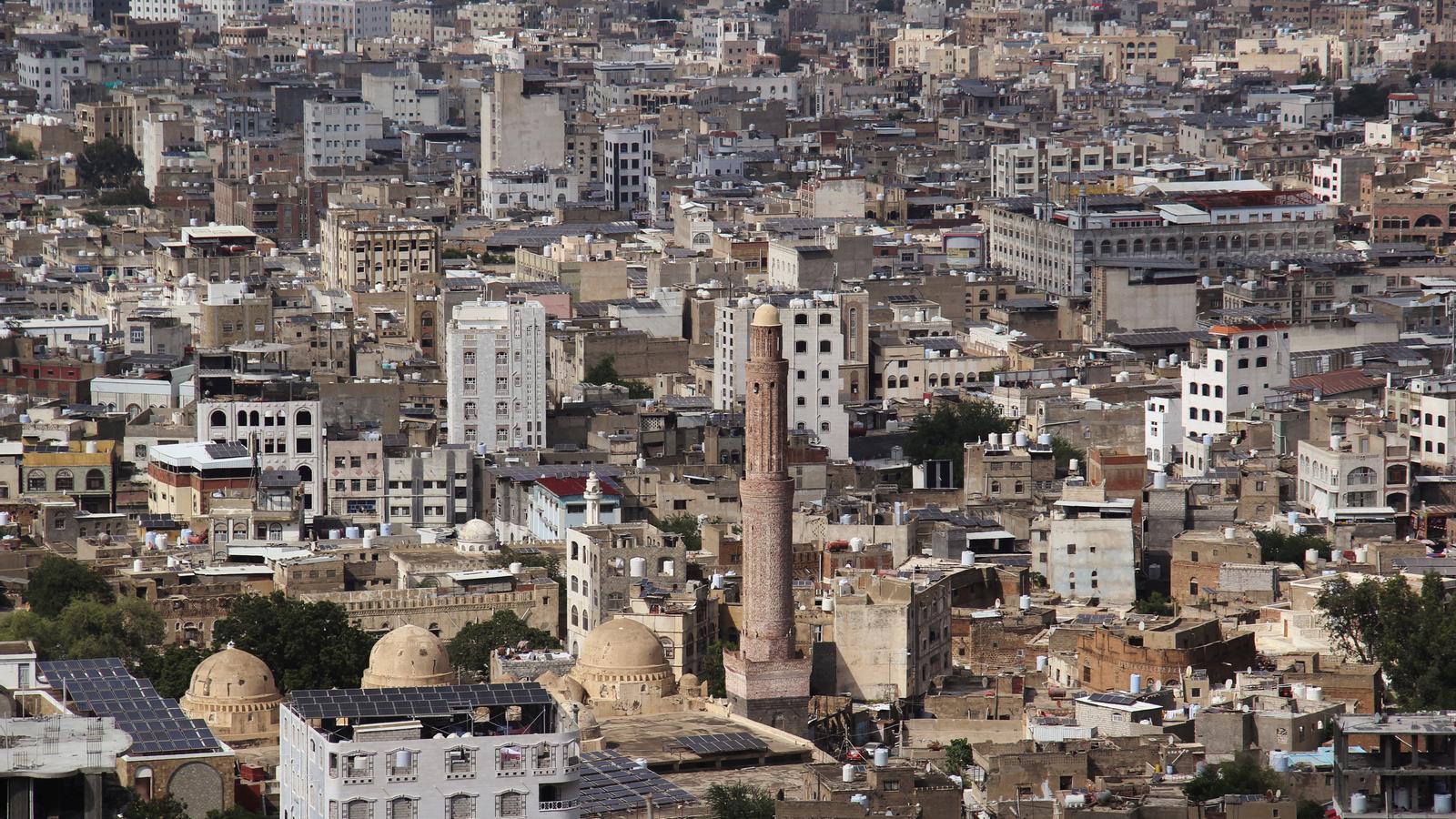
The current rebel offensive, which in September advanced along the Red Sea coast to occupy the port of Mokha and positions around Bab el-Mandeb, has concentrated on Taiz. The city, with more than a million inhabitants, is practically encircled after the capture of surrounding towns and communication routes. The fighting has been especially intense for more than ten days, and local forces and those loyal to the government are trying to defend the city. Food, medicine, and fuel are already in short supply. Taiz has symbolic and strategic value. An ancient center of power and the historical capital of various dynasties, it occupies an elevated position in the mountains of the southwest, overlooking the routes that connect the interior of the country with the coast. Conquering it would allow the Houthis to strengthen their territorial control and consolidate a platform to continue advancing southward. Furthermore, the terrain favors them: the movement was born in the mountains of Saada, in the north, and its fighters are particularly well-versed in this orography.
Another decisive front is Marib, a region with a strong tribal presence, northeast of Sanaa, where there are important oil deposits. Conquering it would give the Houthis access to energy resources and income, but until now, they have been prevented by the resistance of tribal and government forces, which the Sanaa government, now re-established in the city of Aden, is trying to place under a single military command.
Meanwhile, Yemeni government forces, with Saudi support, have announced the recapture of various positions that the rebels had occupied in September on the coasts of the Bab el-Mandeb Strait. According to Hamad, in this practically desert territory, fighters can reach a position, take photos there to proclaim its conquest on social media, and immediately retreat to avoid being exposed. Until the opposing side does exactly the same. This does not mean, however, that the Houthis do not control the passage near the Horn of Africa, which is key for maritime traffic through the Red Sea that connects further on with the Mediterranean through the Suez Canal. It is enough for them to control the island of Perim and from there threaten the Saudi ships that transit it so that shipping companies, under pressure from insurers, abandon this route.
In response to the joint attack by Israel and the United States in February, Tehran has used control of the Strait of Hormuz as its main weapon of pressure. The Houthis' ability to threaten Bab el-Mandeb opens a second front on international maritime transport, a particularly sensitive threat for Saudi Arabia, which has had to divert a significant portion of its oil exports to Red Sea ports to bypass the blockade of Hormuz. This makes the Houthis a particularly valuable ally for Tehran.
Trump, trapped
The Houthis' action complicates things even further for Donald Trump in the region: it strengthens Iran's control over global oil transit and directly threatens its ally, Saudi Arabia, which it has also been unable to protect from retaliatory attacks by Tehran. All this with the midterm elections just around the corner. But the Houthis have also shown that they are governed by strategic calculations: another large-scale attack by the United States, like the one they suffered last spring, does not suit them, nor is it clear that the Yemeni population is willing to pay the price of supporting Iran.
When the Houthis closed the Bab el-Mandeb strait to Israeli ships, they gained massive popular support among the Yemeni population, even among those who do not share their project. The Palestinian cause allowed them to present themselves as defenders of a population subjected to the Israeli offensive and to justify the sacrifices derived from retaliatory attacks by the United States and Israel. "But it is much more difficult to demand that Yemenis endure new bombings simply to defend the interests of the Iranian regime," warns Hamad.
