Trump says his immigration policy has been "too tough" and opens himself to reaching a deal with the Democrats
In an interview on CBS, the president admits that the Iran war and the support for Israel have taken their toll on him
-
CAT -
CAST
BarcelonaDonald Trump has admitted that one of the policies that defined his second term has become a political liability: the deportation of migrants, pursued in the streets and in their homes by immigration police agents, has been "too harsh." The president has offered to reach a deal with the Democrats in this area, following his resounding defeat last week in the midterm elections, which gave the Democrats the majority in both houses of the legislature.
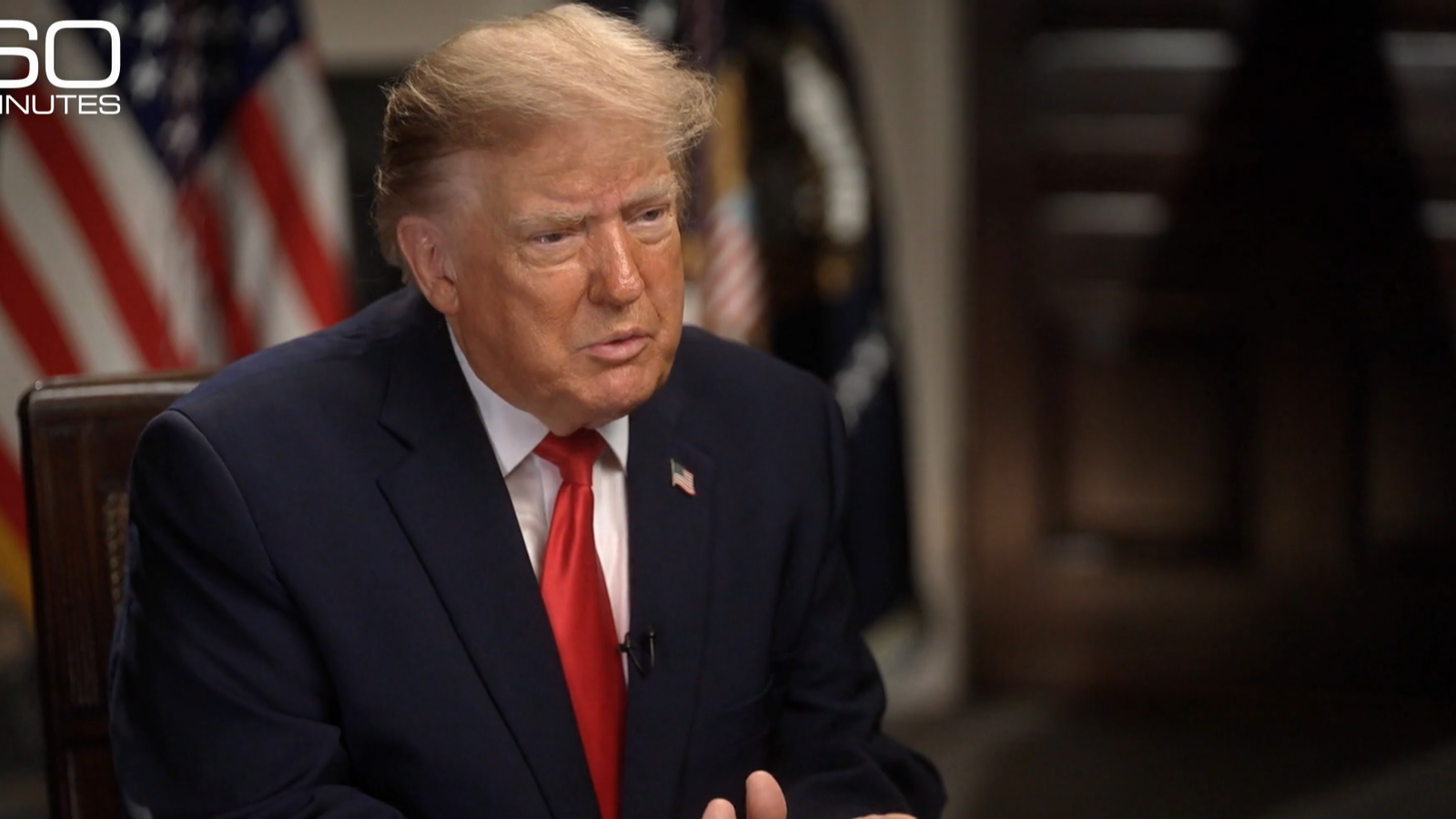
In an interview on the program 60 Minutes on the CBS network, when asked if his deportation policy had gone too far, Trump said: "I think it was maybe too harsh, yes. And a lot of people would say it's fantastic. But a lot of people think it's too harsh." He also opened up to negotiating a migration agreement with the Democrats that would involve stopping the pursuit of certain groups of undocumented immigrants.
These statements contradict, however, his decision on Friday to promote Stephen Miller, the architect of his offensive against immigration,, to the position of White House chief of staff. Since Trump returned to power, massive raids by Immigration and Customs Enforcement (ICE) in workplaces, homes, and public spaces have targeted people who had not committed any crime, have separated families, and have spread fear among immigrant communities. Federal agents shot and killed two American citizens in operations in Minneapolis earlier this year.
The president said that this policy benefited him because many people gave him "very high marks for having kicked out the bad ones." But at the same time, he said it also hurt him "because we detained people who had good jobs, and whose only infraction was having entered the country illegally."
Trump said he believes it is possible to reach an agreement with the Democrats that would allow stopping the pursuit of undocumented migrants who have been living in the country for 10 or 15 years, while continuing to deport individuals convicted of serious crimes, such as murder, rape, or drug trafficking. He has suggested that some Democrats have already reached out to him to reach a compromise. When asked if he would be capable of going six months without insulting his adversaries in order to achieve a deal, he replied: "Very easily."
The Iran war and the price of gasoline
Trump has also admitted that the Iran war has taken a toll on him at the polls, and that many Americans reject his policy of support for Israel and Prime Minister Benjamin Netanyahu. Even so, he said he would attack Iran again "because you cannot allow them to have a nuclear weapon," and asserted that, "historically, it will be considered a very good decision." He also asserted that, once the elections are over, he has no intention of restarting the open war against Tehran.
Regarding the economy, the president has asserted that his administration has not known how to communicate its successes and has stated that the figures for employment, investment, and the stock markets have reached historical highs.
Contrary to what he had asserted, Trump has shown himself open to regulating artificial intelligence in some way, but has warned that he does not want this regulation to "make the country fall far behind, in second place".
Trump has also given some clues about the battle for the Republican succession ahead of the 2028 presidential elections, and has stated that he could support a candidate, but that he has not yet decided. He has said that the Republican Party has a solid group of potential candidates and has praised the Secretary of State, Marco Rubio, without ruling out other aspirants.
