The international cold of the United Kingdom
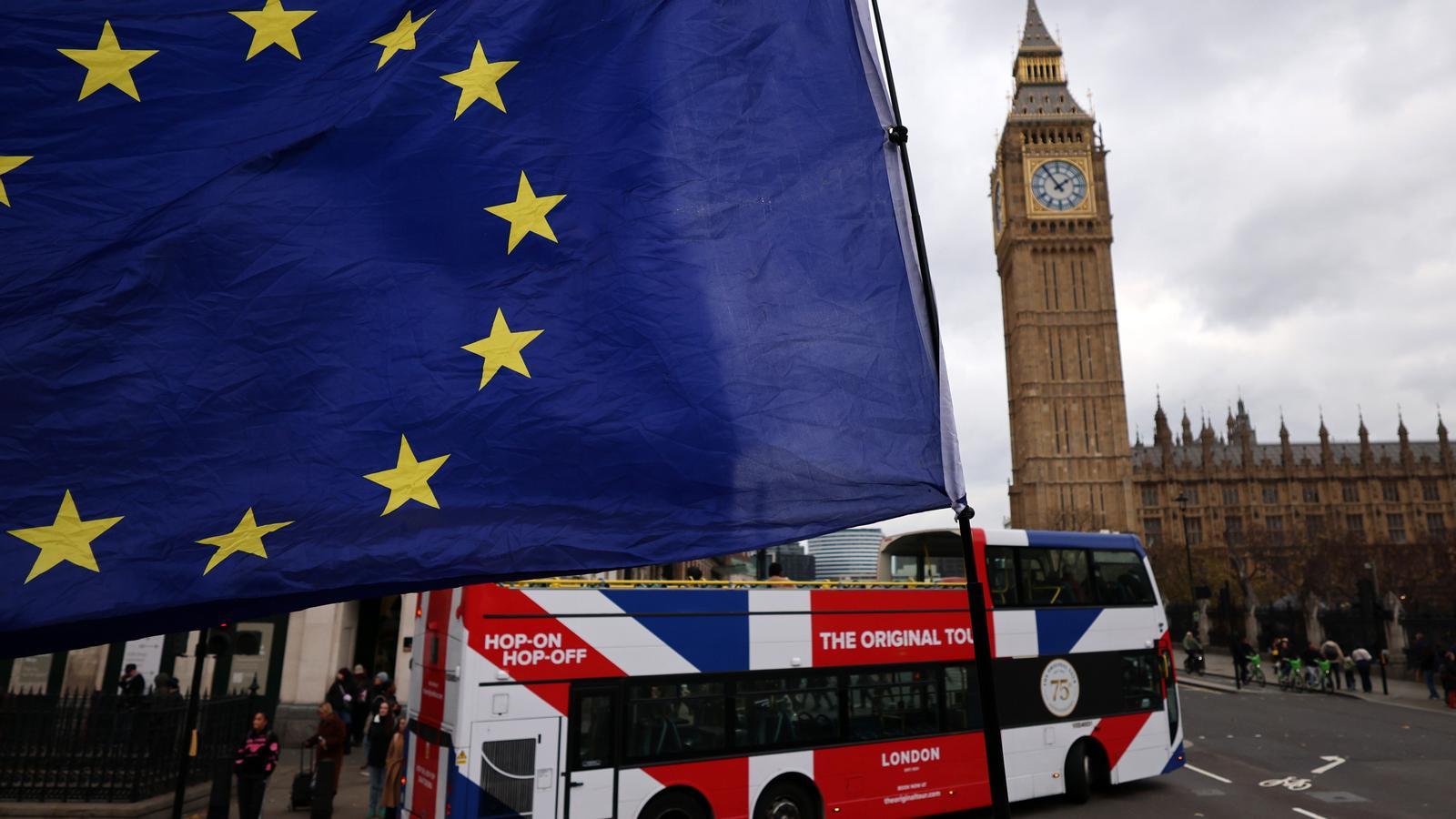

The international context does not favor a United Kingdom that decided to distance itself from the European Union, slamming the door shut with Brexit. Its most traditional partner, the United States, is now unpredictable and does not generate any kind of trust. Competition from China, having become a technological superpower, is intensifying in more and more sectors. And few doubt that the ambition of Putin's Russia goes beyond Ukraine. Furthermore, Brexit did not boost the British economy as its defenders promised; on the contrary, it is now in recession. Faced with this situation, the EU can once again be the reliable and close ally that the British need and, from Downing Street, Andy Burnham is seriously considering it. Turning back, at least in part, is no longer seen as impossible in London. But now it is the EU that holds the key to a possible Breturn.
The President of the European Commission, Ursula von der Leyen; the French President, Emmanuel Macron; the Danish Prime Minister, Mette Frederiksen; the Spanish Prime Minister, Pedro Sánchez, and the President of the European Parliament, Roberta Metsola, have shown that they hold no grudge and that they view an approach between the EU and the United Kingdom favorably. London still carries weight in global finance, and its military and nuclear power and seat on the United Nations Security Council make it an attractive ally. All in all, the Breturn that has the most possibilities would not be an accession as a full member of the Union, but a possible integration into the European single market. And this is where the debate lies.
Before Brexit, the United Kingdom had a privileged position within the Union, with bespoke exceptions. If now, after the clear failure of Brexit, it is the Twenty-Seven who hold the key to decide, they should avoid falling back into concessions for the British. Either they integrate into the Union or they integrate into the single market, with all that it implies. Because the single market includes the free movement of goods, services, capital, and people. This last point is expected to be the most controversial in the United Kingdom, because the debate on immigration was decisive for Brexit. The EU, however, should remain firm and not yield on this point. And, if the return goes further and reaches full membership, the Twenty-Seven cannot allow the United Kingdom to hinder social progress or common defense. The EU has continued to advance without London, and it must be able to continue advancing at least at the same pace as until now.
A possible Breturn could be good news for both parties: in the current international context, an isolated country feels the cold. But for it to be beneficial, it must be done well, without haste, starting with sectoral agreements like those already being debated, which can help bring positions closer. And the Union must demand that the return has enough consensus in the United Kingdom to be solid and stable, so that it can survive a change of government.
