"We are trapped in hell": the war leaves the lives of Iranians in suspense
Devastated by the cycles of violence and the economic crisis, many have given up their jobs and their future projects while Trump bombs them again
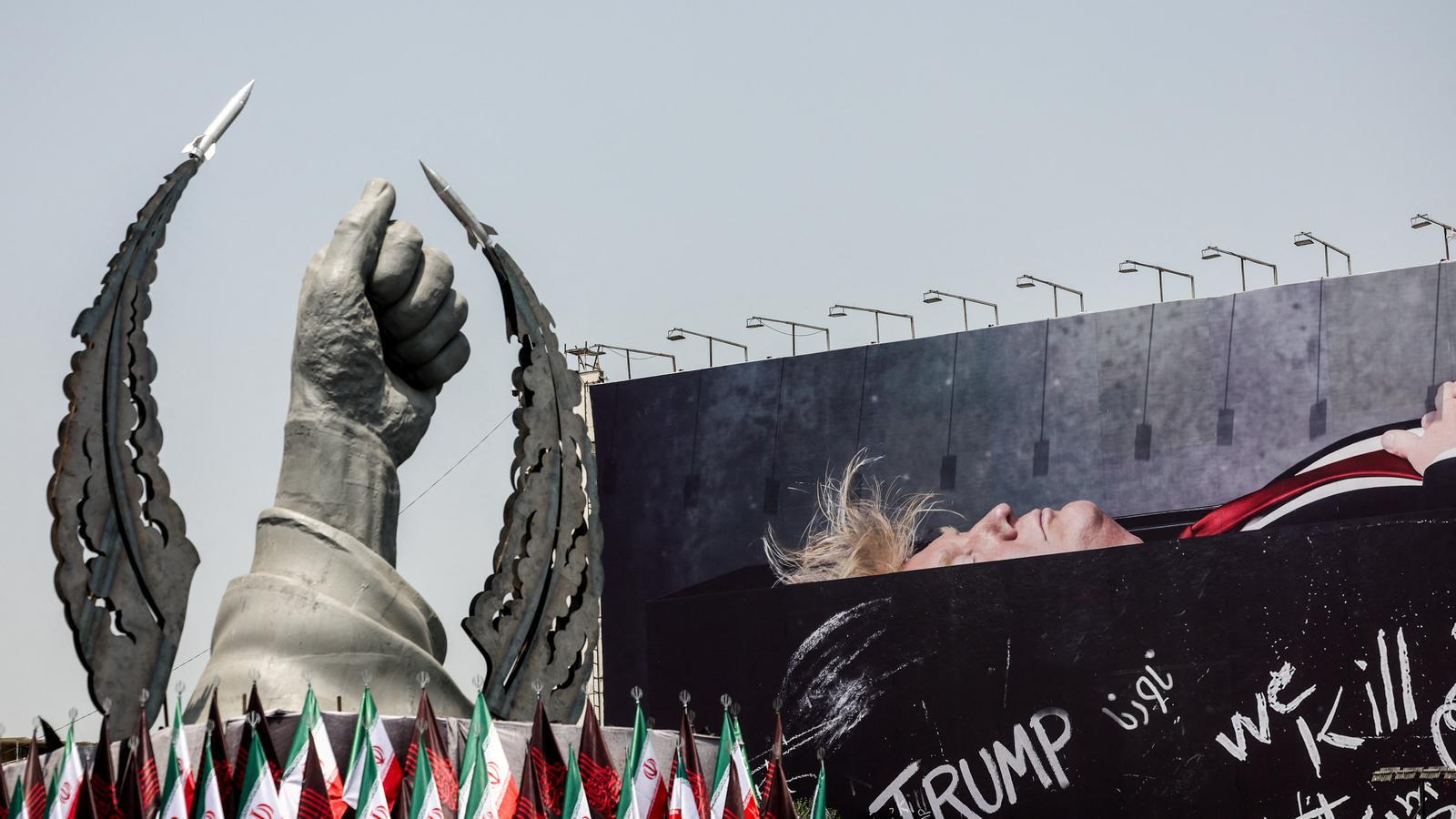
A terribly familiar war rhythm has returned to prevail in Iran: bombed highways, a sinking currency, threatening messages from President Trump on social media, and incendiary rhetoric from religious leaders of the Iranian regime. But when Behnam, an unemployed musician from Tehran, calls relatives or friends to see how they are, he never starts by talking about the war. "The first question we ask each other is: have you eaten?"
Like all Iranians consulted, Behnam, 38, asks that his last name not be published for fear of reprisals from the government of the Islamic Republic. "Honestly, we have reached a point where we only think about surviving," he says.
No one in the family tells him to hurry up and find a job anymore, he explains, while unemployment continues to skyrocket in the country. Many Iranians have postponed plans to repair buildings or rebuild their lives, devastated by the war. Thinking about the future seems like an absurd luxury when your friends, ruined, can only buy rice in small quantities, by the cup, and when the United States and Iran exchange attacks against military facilities, ports, and desalination plants throughout the region.
From over a year ago, Iranians live trapped in a constant cycle of bombings, internal repression and economic devastation. The ceasefire agreed last month with the United States offered a temporary respite from the bombings, but did not alleviate the collapse of the economy.
The collapse of that agreement in recent weeks has plunged the country back into war. Many Iranians feel their lives have been put on hold or no longer belong to them. "I no longer have any control over my life," says Behnam. "Our destiny is in the hands of people who do not think about the people on the street."

This cycle of crisis has been pursuing Iranians since the twelve-day war between the United States, Israel, and Iran that devastated the country last June. After the conflict, the government imposed an internet blackout that has lasted for months, citing national security reasons, which further aggravated an economy that was already sinking.
Subsequently, a monetary crisis in December triggered protests against the government that eventually became a nationwide movement. In January, they were repressed with unprecedented brutality in decades, leaving thousands dead and a deeply divided country.
A regime that survives the leader
A few weeks later, Trump and Israeli Prime Minister Benjamin Netanyahu announced war on Iran, presenting it as a unique opportunity to overthrow the country's authoritarian regime. American and Israeli bombings destroyed infrastructure and killed the supreme leader and thousands of civilians. Nevertheless, the theocratic regime survived and emerged strengthened.
Asal, a 20-year-old shop assistant from a town near Tehran, was one of the thousands of people who participated in the January protests. With tears in her eyes, as she recounted the arrest and torture that, she says, she and her friends suffered, she explains that she had hoped that the intervention of the United States and Israel would help bring down the regime. "Trump told us he wanted to save us, but it wasn't true," she says. "I don't care what happens in the future anymore."
Many Iranians explain that the discouragement also comes from seeing their loved ones try again and again to overcome economic difficulties because the next crisis ends up destroying any small progress. Farzad, a web designer in Tehran, explains that, after the twelve-day war, a family friend started selling homemade pickles and jams on Instagram to supplement an insufficient pension. The business, which had prospered, collapsed during the internet shutdown imposed by the government amid the January crackdown and the early months of the war.
Some interviewees explain that prices have risen so much that they have stopped going to the doctor or have replaced fruit and vegetables with vitamins because they are cheaper. "Forget the statistics," says Farzad. "We know the economic crisis with our own bodies, with our daily experience."
Even as the bombings subsided this spring, Iranians had to face new humiliations. The government continued its crackdown on the opposition, with an increase in executions of participants in the January protests and the confiscation of dissidents' assets. Last month, according to the authorities, a series of cyberattacks disabled three of the country's main banks. Millions of Iranians suddenly lost access to the little money they had.
"It has been an extremely bitter and stressful experience, full of hopelessness for the future," explains Farideh. She struggles to imagine what educational future her children will have and what job opportunities await them. "Unfortunately, it is we, the people, who pay for the mistakes and stubbornness of governments."
Meanwhile, supporters of the Islamic Republic gather every night in the streets of many cities to demand that the government continue the war instead of seeking peace, further fueling the anxiety of those who just want the crisis to end. "Things have reached such a serious point that everyone has lost their nerves," says Mohsen, a business owner in Isfahan. "We are trapped in hell, and there is no one who can save us."
© The New York Times
