Trump announces a 10-day ceasefire between Israel and Lebanon
Netanyahu says he will not withdraw troops from the area and suggests he may continue with the attacks

-
CAT -
CAST
WashingtonDonald Trump has announced that Israel and Lebanon have reached an agreement to implement a 10-day ceasefire that will come into effect from five o'clock Washington time this Thursday. In a post on Truth Social, the Republican claims to have spoken with the Lebanese president, Joseph Aoun, and his Israeli counterpart, Benjamin Netanyahu. "The two leaders have agreed to a ceasefire with the aim of achieving peace." Amidst last-minute diplomatic efforts to secure a new round of peace talks between the US and Iran, the Iranians had requested a cessation of hostilities in Lebanon as a gesture of good faith. Originally, the agreement mediated by Pakistan explicitly included an end to Israeli attacks in the Arab country.
The truce, no matter how much Trump sells it as a success and claims to have resolved a new war, is fragile because it does not count on one of the main actors: Hezbollah. Lebanese legislator and representative of the Islamist group, Hassan Fadlallah, told Reuters that Iran had already informed them that a pause was likely to be announced this afternoon. Regarding Hezbollah's willingness to accept the pause, Fadlallah said that "everything depends on Israel's commitment to stop all its forms of hostility." Just as he did with the Iran truce, Netanyahu has once again adapted the pact to his conditions. The Israeli prime minister has said he accepts the 10-day pause, but will keep troops in southern Lebanon. He has also suggested that if he deems it appropriate, he will continue bombing the country during this period. "Sustainable peace; peace through strength," he stated, quoting the slogan Trump likes to use so much. Netanyahu also stressed that he maintains the demand for "Hezbollah's disarmament."

The terms proposed by the Israeli prime minister for this truce are very reminiscent of the ceasefire agreed in November 2024 in Lebanon. At that time, Israel continued to attack Hezbollah operatives, claiming they were violating the truce. Israel's making and unmaking of humanitarian pauses is nothing new under the sun: in Gaza, bombings continued after the ceasefire that Trump announced with great fanfare. Before this agreement, Israel had already violated another ceasefire that was managed to be concluded at the beginning of 2025 and which led Hamas to interrupt the release of Israeli hostages.
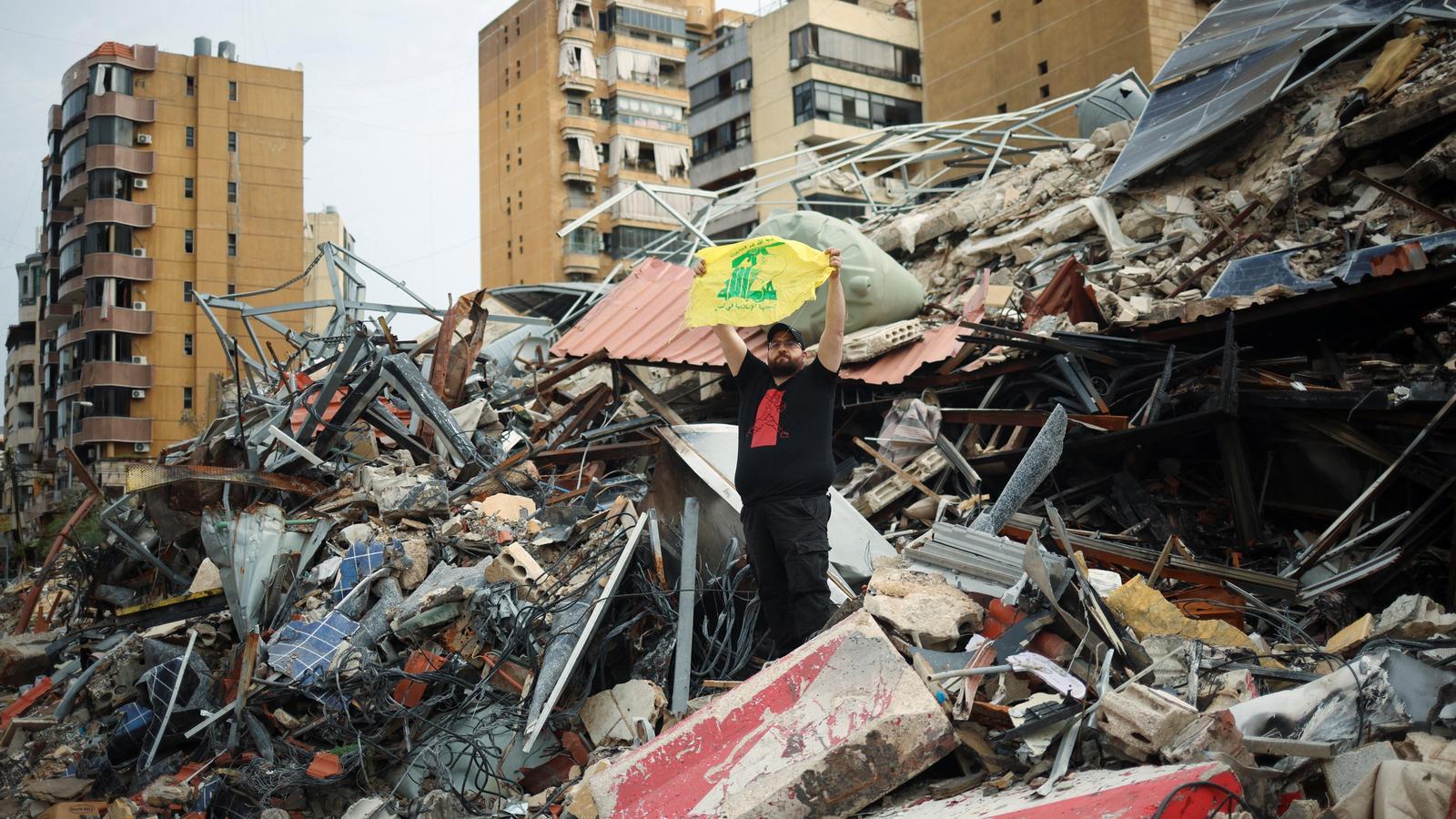
advance the Zionist agenda of Greater IsraelNetanyahu has been bombing the Arab country under the pretext that it is time to annihilate this regional ally of Iran in the region. The military offensive has already killed at least 2,089 people, including 165 children and 87 health workers, and has displaced more than 1.2 million Lebanese. The Israeli prime minister is implementing the same scorched-earth policy to advance the Zionist agenda of Greater Israel. advance the Zionist agenda of Greater Israel.
Despite Lebanon being part of the truce between the US and Iran, Netanyahu rushed to readjust it according to his interests. In the initial hours, the Israeli prime minister said he welcomed it and would stop attacks against Iranian territory, but would maintain his campaign in Lebanon. Bibi's statements represented another episode in the divergence of interests with Washington since the Iran series began. Shortly thereafter, the Republican came out to amend his ally and assured that Lebanon was not included in the agreement and that it was a separate conflict. Israel began to attack Lebanon shortly after bombing Iran along with the US on February 28.
The announcement comes after the United States hosted a historic face-to-face meeting at the State Department on Tuesday. For the first time since 1983, an Israeli and a Lebanese delegation met in person to address the situation. Secretary of State Marco Rubio mediated between Israel's Ambassador to the US, Yechiel Leiter, and his Lebanese counterpart, Nada Hamadeh Moawad.
Netanyahu's obstinacy in pursuing his objectives in the region put the truce at risk from its inception, although Trump and the Iranians have also quickly found their own way to shake it. The toll the ayatollahs wanted to impose in Hormuz and the subsequent US blockade in the strait have further strained the atmosphere. But, paradoxically, both the Trump administration and Pakistan remain optimistic about the possibility of reaching an agreement before the ceasefire expires next Tuesday.
White House spokesperson Karoline Leavittsaid that for now they had not "formally" asked to extend the truce and that they were optimistic about the possibility of closing a deal for the new round of talks. Pakistani diplomatic sources explain to Al-Jazeerathat they expect an "important breakthrough" on their trip to Tehran. Yesterday, a Pakistani delegation led by Marshal Asim Munir arrived in Iran to negotiate with the ayatollahs and deliver a message from Washington. However, despite renewed hopes, the fact is that there is still no date for a new peace negotiation between the Americans and the Iranians.

The US president confirmed this optimism before heading to an event in Las Vegas. Before boarding the Marine One helicopter, Trump told reporters on Thursday that he has "a very good relationship with Iran" and assured that the next meeting could take place "perhaps this weekend." There isn't much more room either, considering the truce expires on Tuesday. Although, as usual, one must take the statements with a grain of salt: on Tuesday, Trump said that the talks would surely happen in the next two days. The deadline has passed and this has not happened. On the other hand, the tycoon also celebrated the US blockade in Hormuz.
