The United Kingdom will ask for more years and more income to obtain permanent residency
The Minister of the Interior, daughter of immigrants, announces a change of model: the waiting time will depend on the income and the contribution of the residents
-
CAT -
CAST
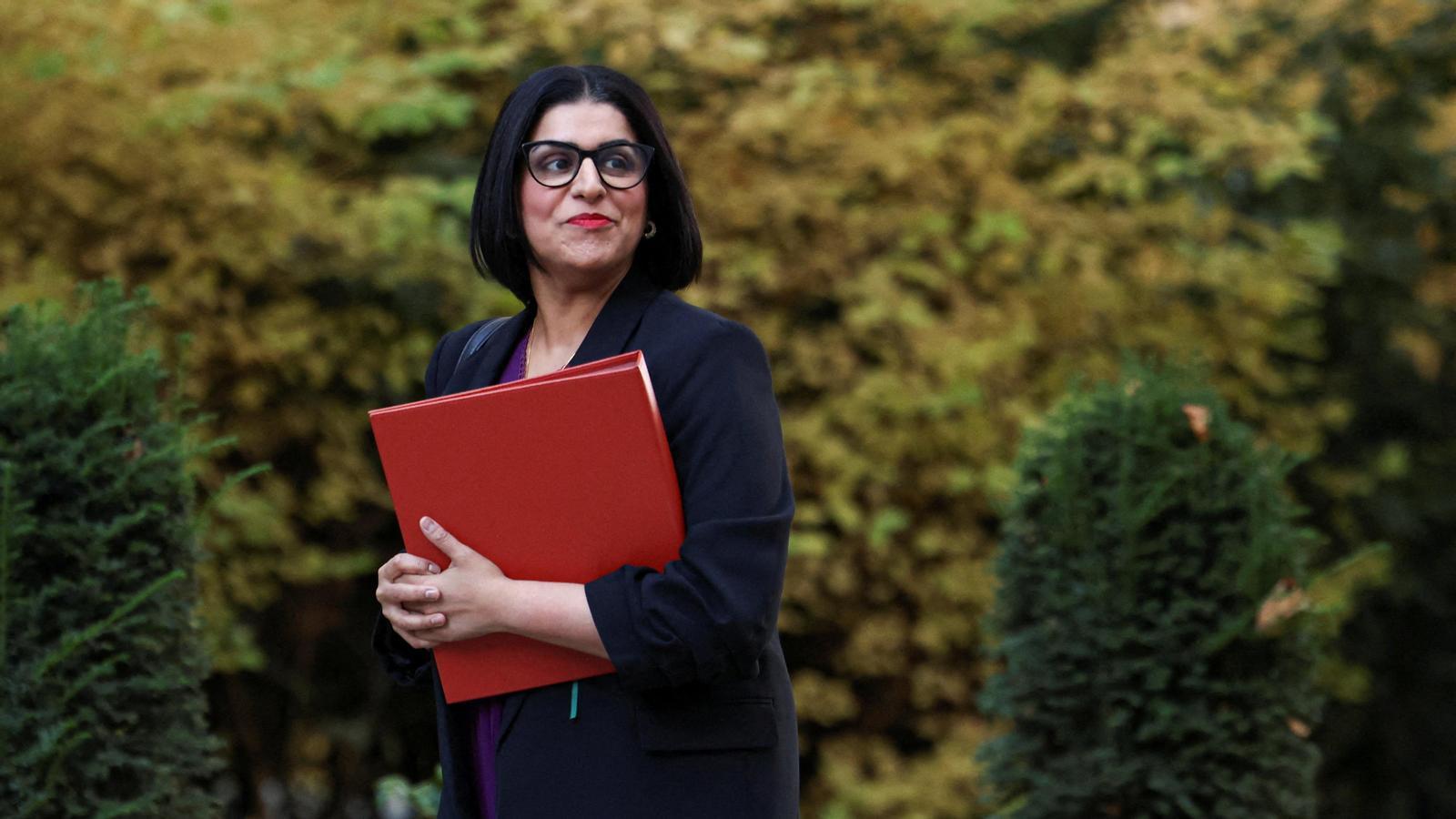
LondonThe daughter of immigrants from Pakistan is in charge of tightening the conditions for obtaining permanent residency in the United Kingdom. The British Home Secretary, Labour's Shabana Mahmood, announced this Tuesday a reform that represents a fundamental change in the migration model on the islands. However, she has offered a mixed bag, pressured by the more left-wing sectors of the party.
The new regulation, dubbed earned settlement (earned residency), breaks with the previous system, based mainly on the time of stay in the country, and conditions access to the permit to stay indefinitely (indefinite leave to remain, ILR) on the economic and social contribution of immigrants. "If we ask our fellow citizens to accept a system of shared taxation and universal public services, they must know that everyone does their part. Solidarity is the prerequisite for social justice," the minister said in her appearance in the House of Commons.
The main novelty of the system – which was announced a year ago with more requirements and which had to be lowered due to the need for workers in the care sector – is that the general waiting period to be eligible for permanent residency goes from five to ten years. Until now, the usual requirement was to have lived in the country for five years, regardless of salary.
Now, however, the reform establishes different deadlines based on the income and contribution of residents. People who have taken advantage of talent recruitment programs and have salaries exceeding 125,000 pounds per year will be able to apply for permanent residency after three years. The reason Mahmood has argued is that "throughout their working life they can contribute 1.5 million pounds to the Treasury's coffers".
For those earning more than 50,000 pounds, the term will be five years, a path that also includes certain public service professionals, such as doctors, nurses, and teachers, and also refugees who arrived through official resettlement programs, for example, citizens of Hong Kong. For those who earn less than 13,000 pounds a year – a salary well below the cost of living in the United Kingdom – the minimum they will have to wait to start the permanent residency procedures will be 10 years.
In all cases, applicants will have to meet a series of mandatory requirements: prove a high level of English, have no criminal record, be up to date with tax obligations to the Treasury, and have contributed for at least three years to Social Security.
The final proposal, however, is less restrictive than the initial approach presented by Keir Starmer's government a year ago. The initial forecasts were that certain groups, especially some workers in the social care sector, would have to wait up to fifteen years to obtain permanent residence. After pressure from various MPs on the left of the Labour Party, the minister has introduced concessions and established that some 282,000 workers in this field will be able to maintain the five-year route, provided they arrived before May of last year and earn more than 25,000 pounds. Otherwise, they will have to wait ten years.
