The trial of the mother who killed her three children in the US concludes: "She asked for help and didn't receive it"
The case has also put on the table the resources in the country for women's mental health during the postpartum period

-
CAT -
CAST
WashingtonThe trial of Lindsay Clancy, the Massachusetts woman accused of killing her three children – five-year-old Cora; three-year-old Dawson; and eight-month-old Callan – in 2023 concluded this Thursday, and now it is up to the jury to deliver the verdict. The proceedings, which lasted four weeks, have become a deeper case where a more complex reality has been brought to the table: postpartum psychosis.
The prosecution believes the woman should be convicted of the acts, while the defense has recalled that her psychiatric history and her mental state at the time of the events should be taken into account. Now, the jury will have to decide whether the 36-year-old woman is criminally responsible for the death of her children or if she is exempted due to not being in full mental faculties. Clancy has admitted to the judge that she killed the children.
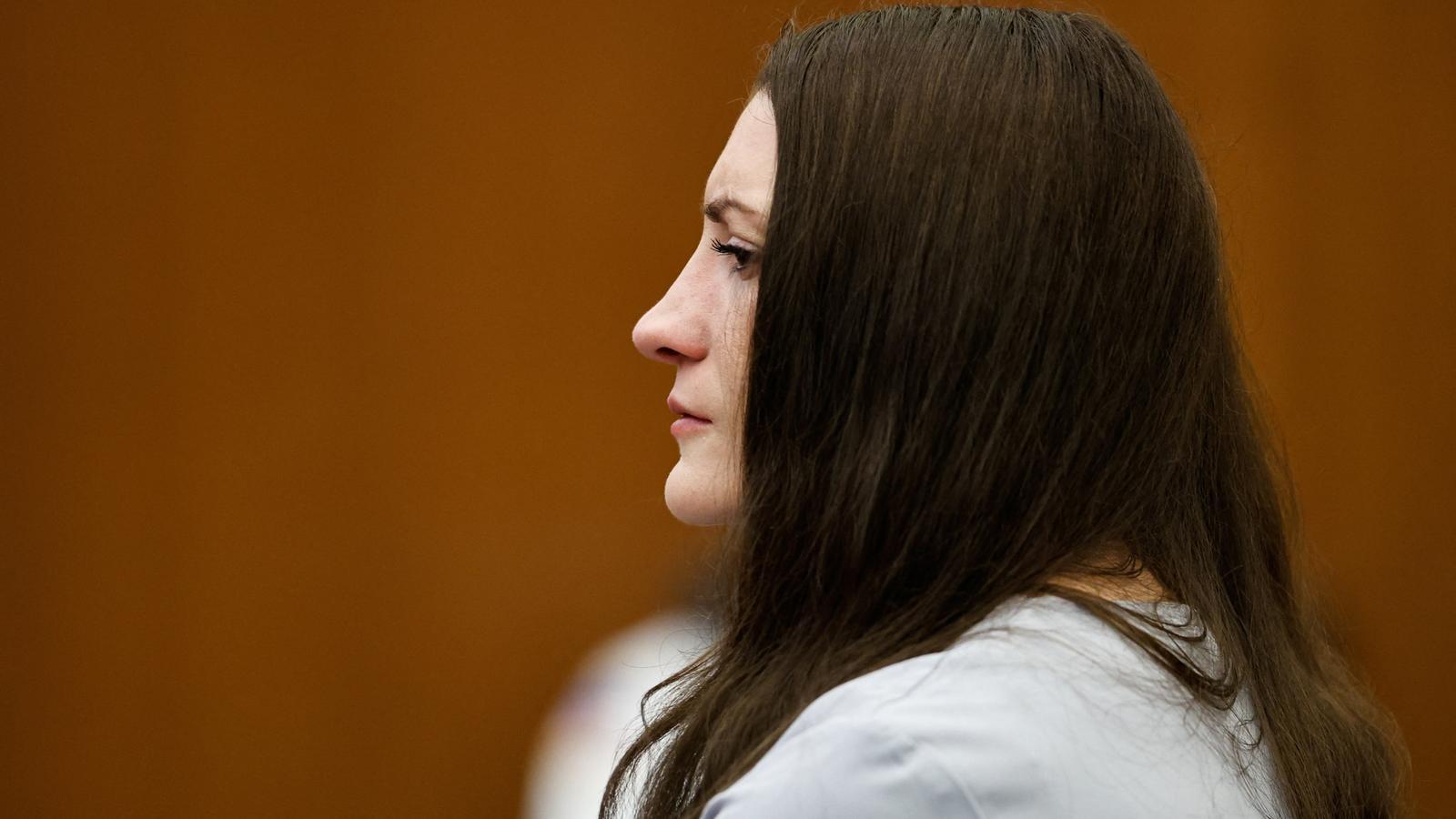
Clancy attended the last session of the trial visibly emotional, while her lawyer, Kevin Reddington, described her as a "good mother" and a respectable nurse who had loved her children. Reddington read a long list of medications prescribed to his client in the months leading up to the murders, arguing that she had received "terrible" medical care when she sought help for the anxiety and other mental illnesses she suffered from, which led to a spiral of loss of control. "She asked for help and didn't receive it," the lawyer emphasized.
Postpartum psychosis
The defendant said she heard voices telling her to kill her children, and she would have committed suicide if her now ex-husband hadn't arrived home just before she did. It is estimated that postpartum psychosis affects between 1 and 2 out of every 1,000 women, and it is described as a mental health emergency that affects a person's perception of reality. It can happen to anyone after giving birth, but the chances are higher in people with certain mental health disorders. Although most people with postpartum psychosis do not harm their children, mothers with severe cases may try to do so and may also try to harm themselves.
In her closing argument, prosecutor Jennifer Sprague presented the murders as a series of rational and premeditated decisions, arguing that Clancy first drowned the older children because they were more likely to resist. "She left them lying in the basement like broken toys, because she no longer wanted to play with them anymore," the prosecution said. "She is undoubtedly guilty."
According to the prosecution, Clancy planned for her then-husband, Patrick Clancy, to leave the house to leave her alone with the children. On January 24, 2023, he returned home after going to get food and found the children in the basement drowned with elastic bands, as the man recounted during his testimony. He also found his wife injured in the backyard: she had cut her veins and her neck and had thrown herself from the second-floor window of the house, in what lawyers describe as a suicide attempt.
