June became for me a month filled with fear

-
CAT -
CAST
KabulJune became for me a month filled with fear. Not an abstract fear, but a very physical one, the fear of the street itself; of the road I pass every day, the same route that once felt ordinary, but now raises a single question at every step: will I return home safely today?
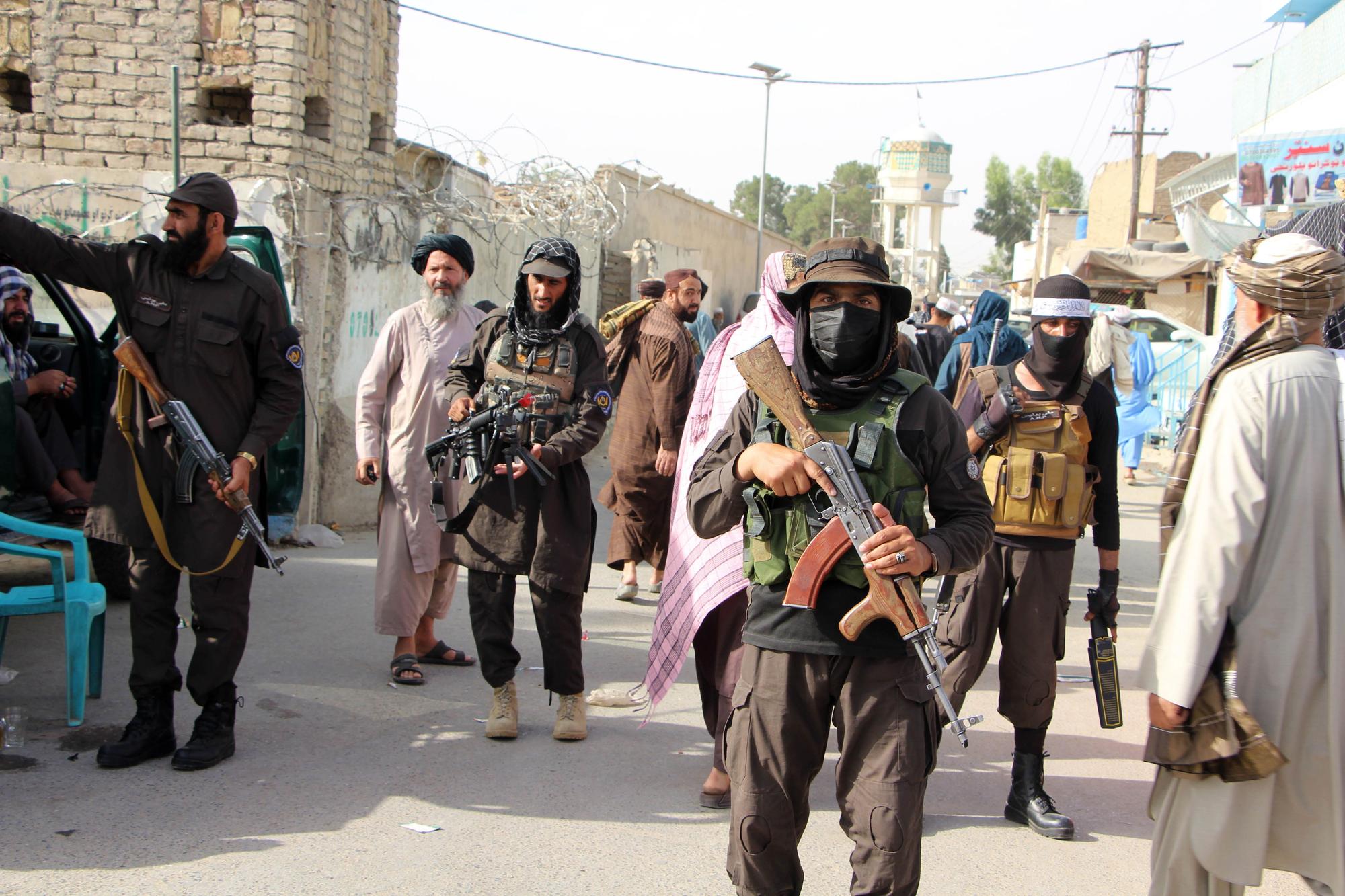
In the first week of June, reports emerged of women being detained by the Taliban’s Ministry for the Promotion of Virtue and Prevention of Vice in Herat. On social media, videos and photos circulated showing women being taken from markets and streets and placed into Taliban vehicles. No clear explanation was given, only the sudden and heavy presence of armed men stopping women who were simply living their daily lives.
Herat, Kabul, and Mazar, three major cities that once felt relatively safer for educated and working women compared to other provinces, have now become spaces where a woman’s presence in public is accompanied by fear. I had seen arrests of women before, but this time it felt different. This time, the violence felt more direct, more forceful, more unrestrained.
In Herat, public anger reached a point where people took to the streets. They chanted: “No to the arrest of women.” But the response was neither dialogue nor explanation, it was violence. Protesters were met with beatings and sporadic gunfire from Taliban forces. Watching those images online was unbearable for me. The UN mission in Afghanistan condemned the detentions and repression in a statement.
Media outlets outside Afghanistan covered the protests, but inside the country there was silence. Local journalists in Herat were forbidden from reporting. From Kabul, we could only follow events through social media, trying to piece together what had happened. When we spoke to local contacts, they described a situation even worse than what was being reported. I felt anger at my own inability to report what was unfolding, anger at being forced into silence while people were going through this.
Then the Taliban governor in Herat appeared before the media and denied everything, claiming the images were created using artificial intelligence. Denial, when reality is visible to everyone, becomes another form of violence.
At the same time, calls for protests were circulating in both Kabul and Herat. In Kabul, people remained silent as Taliban forces and American military vehicles filled the streets, turning the city into a controlled, militarized space. In Herat, people still came out again. And again, the same scene repeated: protests were suppressed, and demands remained unmet.
Even more restrictions
Detentions of women expanded from Herat to Kabul and Mazar as well. In Kabul, women were also being detained, and this deepened fear within families. Restrictions on daughters increased further. I feel this change in my own home too. Before going to work, I now stand in front of my father so he can see that my clothes meet Taliban requirements: a loose black outfit, a mask covering my face, and eyes searching for his approval. I do this not only to comply with the rules imposed by the Taliban, but also so my father worries less about my safety. Because in Kabul, fear is no longer individual, it is shared within families.
Gradually, the city has changed. Streets that once carried women going about their daily lives are now noticeably emptier. On my way to work, I sometimes realize I have not seen many women in public spaces for days. The most painful moment in Kabul happened last week. I was returning from work when a colleague, sitting next to me in the vehicle said "I am tired of life and of being a woman”. Then she showed me a video of an incident in Kabul. A black SUV without license plates, vehicles often associated with Taliban-affiliated individuals, had struck four young girls in a residential area. CCTV footage showed the vehicle moving toward the girls walking along the street, hitting them, and then fleeing the scene. The girls fell to the ground in seconds. Those girls, fully dressed according to Taliban-imposed dress codes, could have been any of us, our peers, walking the same streets we use every day.
After this incident, fear deepened further in the city. Even women who still go outside now move more cautiously. It is no longer only about clothing; it is about presence itself. Simply being a woman in public has become a risk. And what this means is that women are not only being detained, but even subjected to violence and possible deliberate harm.
While the women of Afghanistan have to face detentions and restrictions, the Taliban are received in Brussels to meet with representatives of the European Commission. For me, this feels like a direct denial of lived reality. As if everything happening in Kabul, Herat, and Mazar is invisible in global decision-making spaces.
We feel forgotten
In the same days when we are trying to understand whether women can safely leave their homes, the world is engaging in dialogue with those who have created these very restrictions. I feel this is an ethical gap between what is happening on the ground and what is considered acceptable in international politics.
What troubles me most is not only the meetings themselves, but the message they send to Afghan women who are living through this reality every day. While women are being detained, excluded from education, and pushed away from public life, seeing the Taliban welcomed into international spaces makes many of us feel forgotten.
Dialogue without accountability risks normalizing the very actions that have caused this suffering. When the people responsible for restricting women’s lives are invited to speak about Afghanistan, while the voices of Afghan women remain unheard, it creates a painful feeling of abandonment and betrayal.
For many women inside Afghanistan, this is not just politics, it is personal. We are not asking the world to speak about us while ignoring us. We are asking to be seen, to be heard, and to have our suffering taken seriously.
