The International Court of Justice concludes that Myanmar committed "acts of genocide" against the Rohingya
The court says that the Burmese forces sought to "destroy a substantial part of the group" in the campaign in Rakhine in the year 2017
-
CAT -
CAST
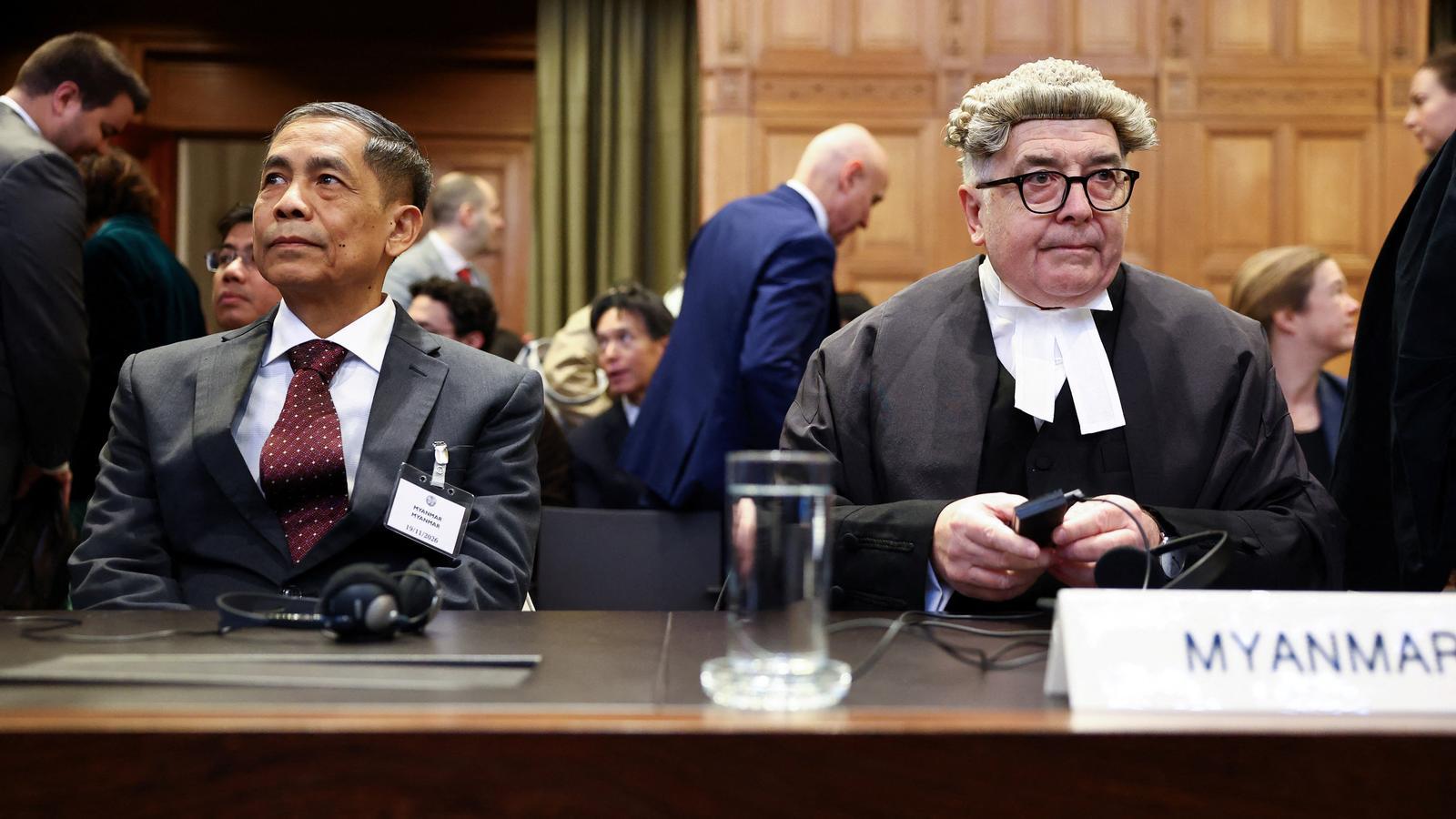
BarcelonaThe International Court of Justice, the principal judicial organ of the United Nations, based in The Hague (Netherlands), concluded this Thursday that Myanmar committed “acts of genocide” against the Rohingyas, the Muslim minority. In a historic ruling after seven years of litigation -driven by The Gambia-, the court concluded that the country has committed acts that sought to “destroy a substantial part of the group” of the Rohingyas.
The court also concluded that Myanmar must allow “the safe and dignified return to their place of residence and the reunification of the families of the Rohingyas displaced as a result of the illicit acts”. During the reading of the findings prior to the final decision, the president of the court, Judge Yuji Iwasawa, has given as proven that the Burmese security forces executed a campaign of extreme violence in Rakhine state in 2017. According to the ruling, the army committed “indiscriminate killings, separation and execution of men, widespread sexual violence and deliberate burning of houses” in municipalities such as Maungdaw, Buthidaung and Rathedaung.
The court also underscores that the troops perpetrated acts of “extreme violence against children”, attacked civilians while they were fleeing en masse towards the border with Bangladesh and systematically destroyed the Rohingya localities to replace them with permanent settlements of other communities.
Historical marginalization and hate speech
Beyond the 2017 military offensive—which caused some 10,000 deaths and forced more than 700,000 Rohingya to take refuge in Bangladesh—, the International Court of Justice focuses on the prior structural discrimination. The judge highlighted that Myanmar's restrictive laws “progressively eroded the rights” of this minority, leaving it in a situation of extreme vulnerability, while “hate speech sponsored by the army fueled hostility” against the population.
The lawsuit was filed in 2019 by The Gambia, representing the countries of the Organization of Islamic Cooperation, accusing the Burmese government of violating the 1948 Convention on the Prevention and Punishment of the Crime of Genocide.

Myanmar's defense and the precedent for Gaza
During the proceedings, the authorities of Myanmar have repeatedly denied the accusation of genocide. Government representative Ko Ko Hlaing argued in January before the judges in The Hague that the army limited itself to carrying out "counter-insurgency and counter-terrorism operations" in response to attacks by Rohingya insurgent groups. "The country was not obliged to sit idly by and allow terrorists to have carte blanche in northern Rakhine," he argued.
It is the fourth time in history that the court has convicted for genocide. This Thursday's resolution is being followed with special attention around the world because it will set key jurisprudence for other cases open at the same court, such as the lawsuit filed by South Africa against Israel over the military offensive in the Gaza Strip.
