Trump declares the war over and announces a "great deal" with Iran, but Tehran denies it
The US president had threatened more bombings and to invade Kharg Island after a second night of crossfire
-
CAT -
CAST
Washington / BarcelonaDonald Trump's plot twists in his war against Iran are constant, and this Thursday he offered one of the clearest examples. After a second night of crossfire, the President of the United States had threatened more bombings and had even raised the possibility of invading the Iranian island of Kharg, the country's main oil hub. A few hours later, however, he assured that he had canceled the planned attacks, announced a "great deal," and declared the war over. But Tehran has denied that the pact is closed, in a dynamic of affirmations and denials that has already become habitual.
On May 28, Washington also considered the agreement practically concludedFrom the Oval Office, he went further and assured that a "great deal" had been reached that could be ratified this very weekend, probably in Europe. When reporters asked him if the document had been approved by Iran's supreme leader, Mojtaba Khamenei, he replied: "I understand the answer is yes." And even, in a remote event in support of a Republican candidate for governor in Georgia, Trump insisted that the war was already over.
But Tehran has denied that the agreement is closed. The Foreign Ministry spokesman said that "much of the text has been finalized", but criticized that the US "continues to change its positions". He stated that Qatar and Pakistan are active as mediators, but regretted that Washington's actions "affect the diplomatic process" and added that Tehran has not yet made a final decision on the text. He also stressed that Iran will not back down on its "red lines".
Until there is confirmation from all parties involved, nothing can be taken for granted. On May 28, Washington also considered the agreement practically closed, but Tehran also denied it then and no official announcement was made in this regard.
What is being negotiated is a document that has been dubbed a "memorandum of understanding", which is only the first step to initiate more extensive negotiations on other issues, such as the Iranian nuclear program. Trump's objective at this time is to reopen the Strait of Hormuz. On the other hand, for Tehran, the release of billions of dollars of frozen Iranian funds is a priority. Iran also demands that Israel stop attacking Lebanon, that its control of the Strait of Hormuz be recognized, and that economic sanctions be lifted.
More nightly attacks
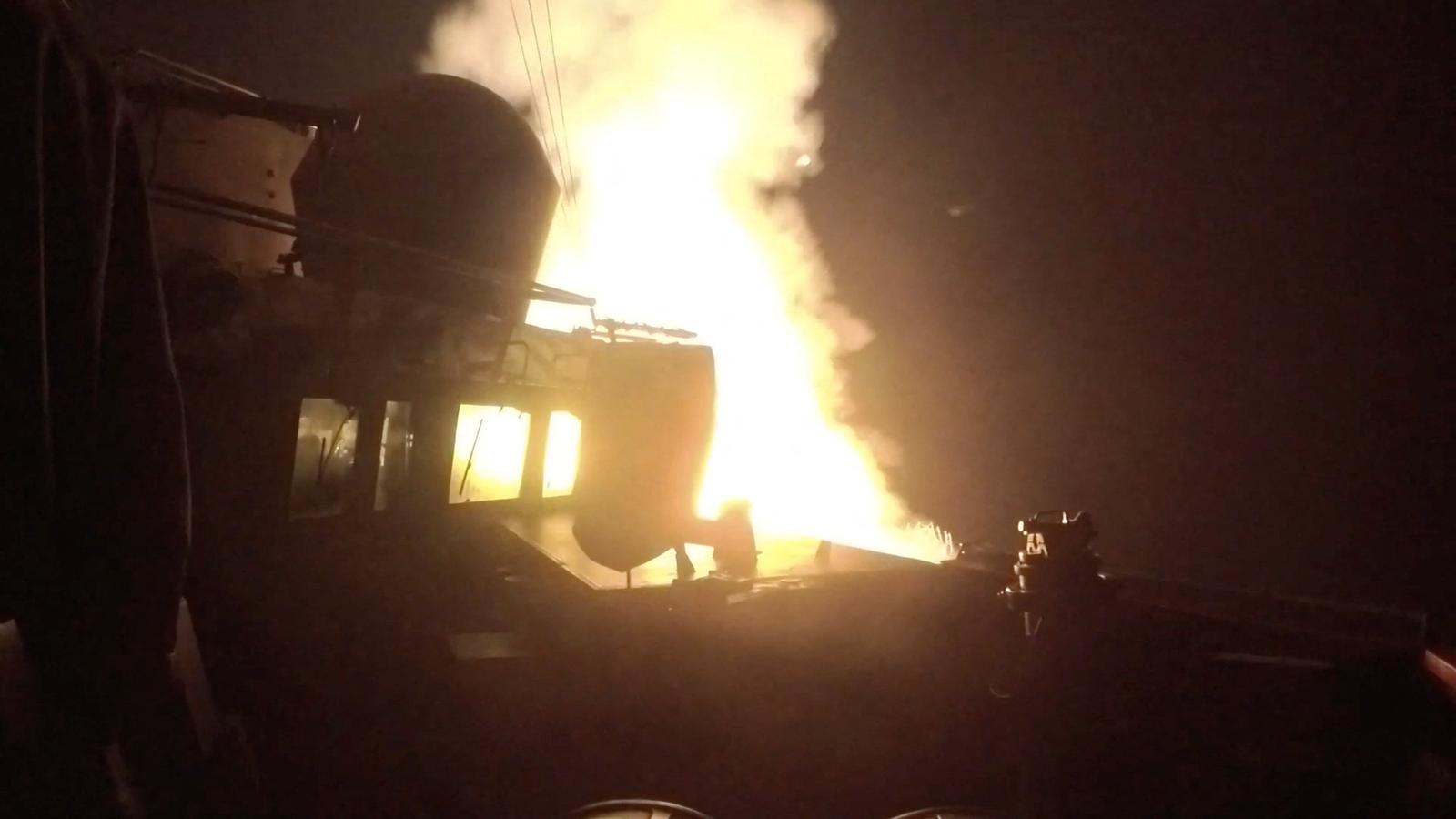
The US and Iran have maintained a ceasefire on paper for two months, but over this period the ceasefire has never stopped the fighting; it has only slowed it down. In the last two days, tensions have escalated, with two consecutive nights of cross-border attacks.
On Tuesday, the United States had already launched overnight attacks against Iran,Tehran responded by announcing a new total closure of the Strait of Hormuz and launched attacks against Bahrain, Kuwait, and Jordan. The Islamic Revolutionary Guard Corps of Iran also said it had launched ballistic missiles against a US command center in Jordan. And the Ministry of Foreign Affairs even stated that the attacks "have rendered the ceasefire practically ineffective" and could have "dangerous consequences".
"We will negotiate with bombs"
Upon announcing the attacks, Washington assured that its objective was to pressure Tehran to accept a peace agreement. “If we have to negotiate with bombs, we will negotiate with bombs: nobody in the world does it better,” said Secretary of Defense Pete Hegseth. Only a few hours had passed since President Donald Trump had called for increased pressure on Tehran to make it "pay the price" for the stalemate in the talks, and had threatened to attack with "greater hardness."
Later, the US president promised more attacks: "The United States will hit Iran [...] very hard tonight," he wrote on his Truth Social network. And he revived the threat of invading the island of Kharg, the hub of Iran's oil industry from which it exports 90% of its crude oil. "At some point in the not-too-distant future, we will take the island of Kharg and other oil infrastructure points, and we will take full control of its oil and gas markets, very much like we have done with Venezuela," he said.
Five hours later, he wrote another message on his social network to announce the cancellation of all these plans, at least for now. And from the Oval Office, he stated that the invasion of the island of Kharg would be ruled out if an agreement is signed.On Tuesday, the United States had already launched nighttime attacks against Iran, arguing it was a response to the attack on a US helicopter near the Strait of Hormuz the previous day. However, this Thursday, both the president and the secretary of Defense have changed their argument and declared that the intention of the attacks was not to respond to specific actions, but to force Iran to accept the terms of an agreement they have been trying to close for weeks.
