Panic over the siege of El-Obeid by Sudanese paramilitaries
The UN warns that the Rapid Support Forces could cause a "catastrophe" on the scale of Al-Fashir, where it believes genocide occurred

-
CAT -
CAST
Barcelona"There is an atmosphere of constant fear and panic." Halima Mustafa, a young Sudanese psychologist, describes by phone the situation in the city of El-Obeid, Sudan, in recent days. Like her, nearly 500,000 people are trapped in the capital of the North Kordofan region, which is under the control of the Sudanese army. The Rapid Support Forces (RSF), who have been confronting them for three years in a brutal fight for control of the country, have surrounded the city and are besieging it, awaiting entry. "We have reports indicating that the RSF are preparing to launch a massive attack on El-Obeid," confirms Amnesty International's Sudan researcher, Abdullahi Hassan, to ARA, warning that "time is running out to act."
The concern for the violence that could be unleashed is such that the UN has issued an alert warning that the entry of paramilitaries could mean a "catastrophe." "We are gravely alarmed by the urgent risks of atrocities and deliberate killings in Sudan," warned last week the organization's High Commissioner for Human Rights, Volker Türk. While RSF fighters concentrate at the gates of El-Obeid, daily dozens of drones are ravaging civilian infrastructure and terrorizing the population. In addition to attacking hospitals, schools, and gas stations, they have bombed the main power plant, leaving the civilian population in darkness and forcing the shutdown of drinking water pumping systems.
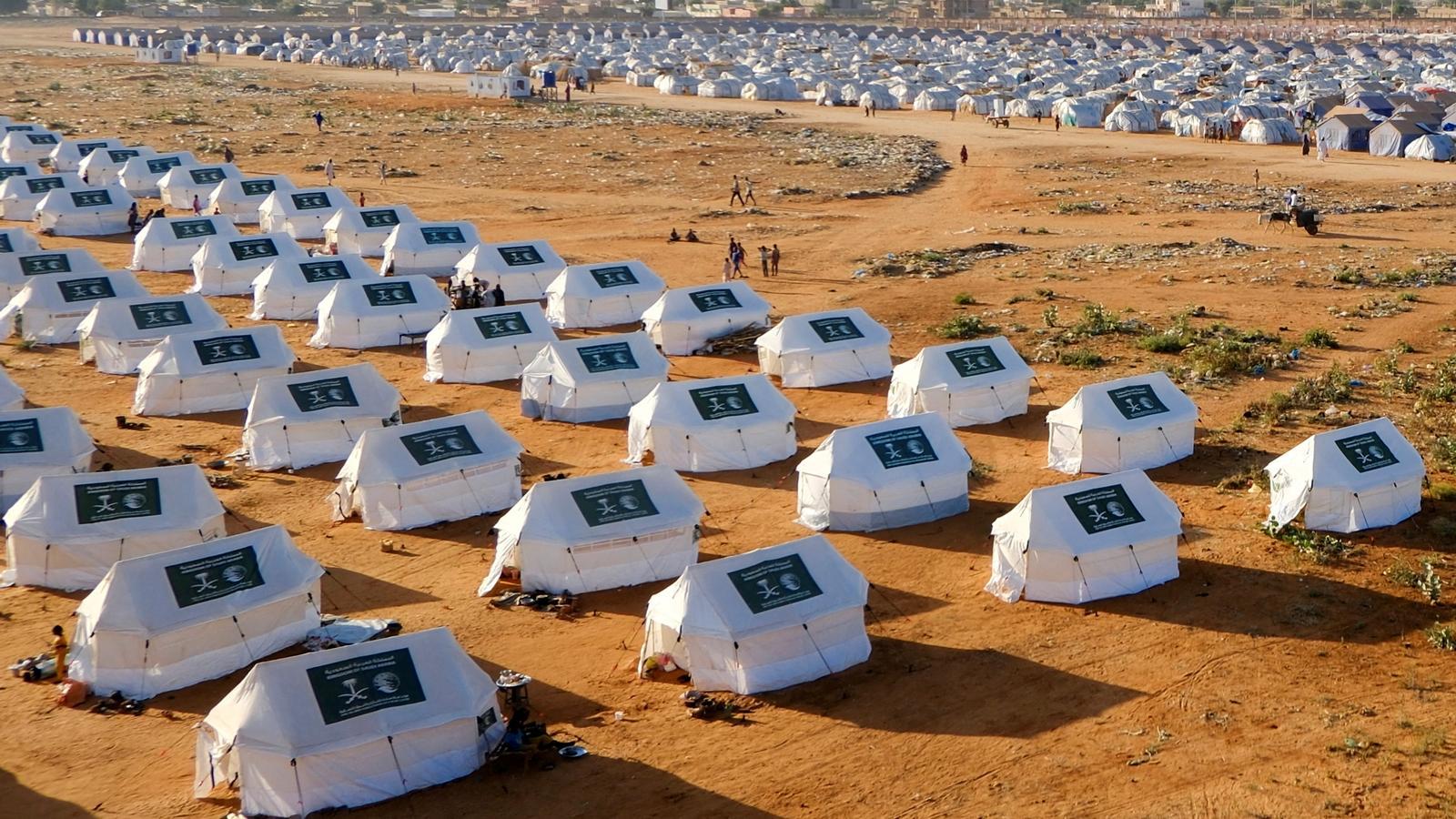
The trickle of deaths is constant and escaping the city has become almost impossible. Exits are monitored by unmanned devices or subjected to abusive tolls, looting, and summary executions by militias. Through these same monitored routes, humanitarian aid also entered, especially necessary for the more than 150,000 refugees from other regions of the country who are temporarily housed in the city. "The humanitarian situation is catastrophic – relates the psychologist–. There is a severe shortage of essential products: there is no drinking water or food, and it is very difficult for medical aid to arrive because the supply routes are often attacked by drones".
The images of this siege have awakened the ghosts of the massacres that took place last year in Al-Fashir, the capital of the Darfur region, which the UN has described as genocide in new research published this Wednesday. When the city fell into the hands of the RSF in October after a long siege, the population was plunged into a spiral of mass killings, systematic rape, and deliberate starvation. Now, the same pattern of asphyxiation is being repeated in El-Obeid. “In Al-Fashir they imposed a siege of more than eighteen months that starved people to death, they dug trenches around the city to prevent people from fleeing. And finally, when they attacked, they subjected people who were already malnourished to serious human rights violations, such as mass killings, kidnappings, detentions, and rapes,” states Hassan, author of another report published in early July that inventories the atrocities committed by these paramilitary militias in the Darfur region. "They are replicating the same strategy manual in El-Obeid – he warns –. They do not distinguish between combatants and civilians".

A strategic hub for the control of the country
If this locality is under so much pressure, it is because it is strategic for the control of the country and its capture could be a turning point in the course of the war. After three years of fighting that have fragmented Sudan, the paramilitaries of the RSF have managed to impose themselves in the southwest, in the Darfur region. If they finally manage to capture El-Obeid, they will strengthen their control over western Sudan and will be able to project military power towards the east and center, which would threaten the capital, Khartoum, as explained to ARA by the director of the think tank Amani Africa, Solomon Dersso. On the other hand, if the army manages to hold it – a scenario that, at present, seems unlikely – it could serve as a springboard to drive a reconquest of lost territory.
Be that as it may, the military analyses do not reassure the Sudanese trapped in these lands, which before the conflict were proud and prosperous. Halima Mustafa, who does her best to calm the spirits of her patients agitated by constant drone attacks, describes cases of post-traumatic stress, insomnia, loss of appetite, and even hallucinations. “Many children have developed trauma-related symptoms, such as nocturnal enuresis, frequent nightmares, interrupted sleep, and difficulty concentrating,” she explains, lamenting that families feel overwhelmed because “they experience the same fear and anxiety”.
The impotence, above all, comes from the international inaction in the face of the war in Sudan: “It is doing nothing to protect civilians or prevent the escalation of the conflict,” deplores the psychologist. Beyond the need to create a humanitarian corridor to evacuate the population and allow access for humanitarian aid, the Amnesty International researcher insists on the role of allied countries supplying the drones that end up killing civilians. “The EU must demand that the United Arab Emirates pressure the RSF to stop the attack and stop supplying the weapons that fuel the conflict”.
