Mojtaba Khamenei, the successor to the hardline wing of the Iranian regime who must confront the United States
The new supreme leader, who has close ties to the Revolutionary Guard, was part of a powerful shadow power group with considerable influence.

-
CAT -
CAST
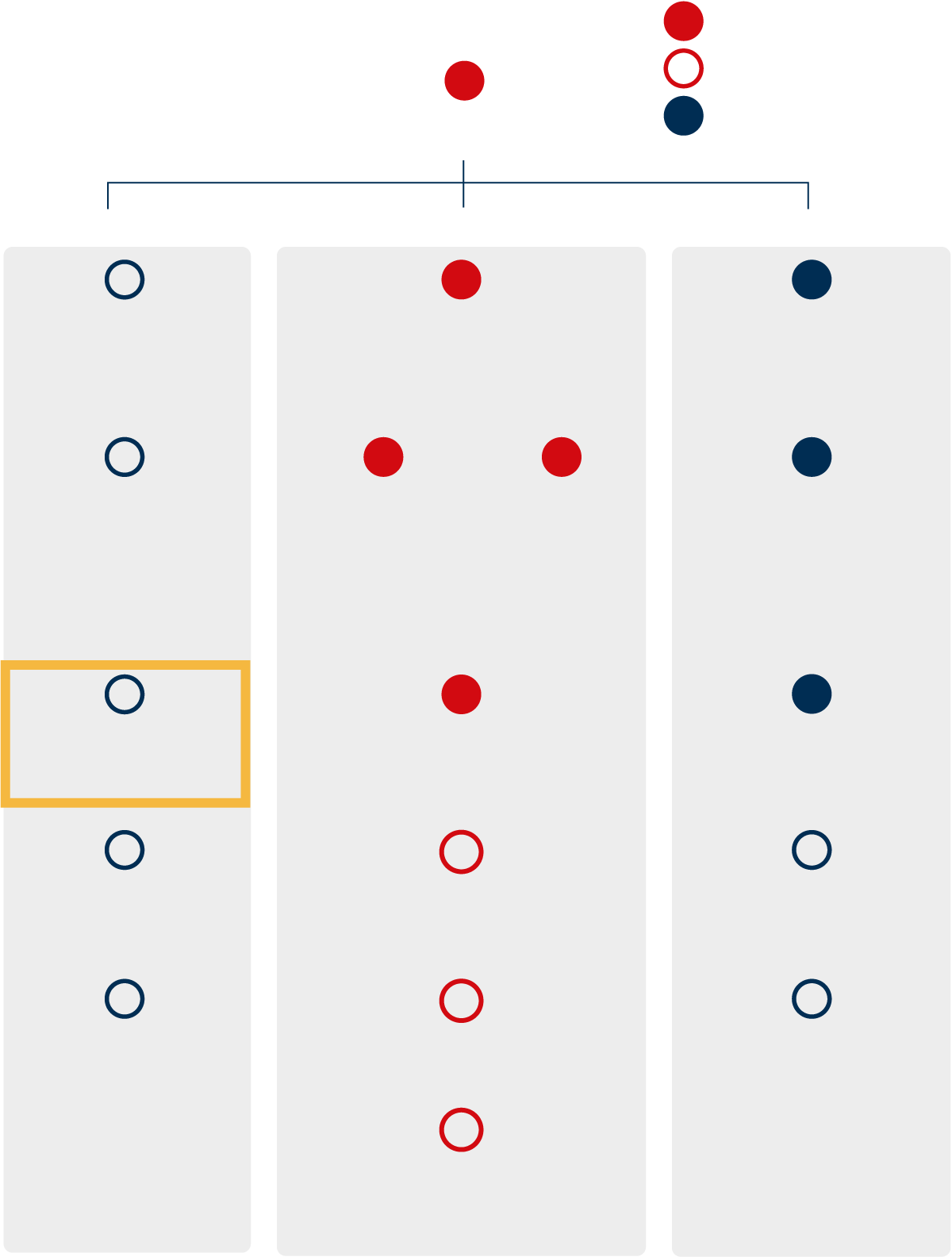
BarcelonaMokhtaba Khamenei becomes Iran's new supreme leader Without being an ayatollah, without ever having held any office, and being the son of his predecessor. Despite being an influential figure in the regime's power circles and despite his name having been mentioned for years as a possible successor, the selection of a profile like that of Ali Khamenei's descendant to lead Iran is unusual, given the principles of the Islamic Republic. But politically, many analysts see a clear response from the United States and Israel.
The new supreme leader has close ties to the Revolutionary Guard, a pillar for maintaining the Islamic regime. His first contact with the force was in the late 1980s, during the Iran-Iraq War, in which the United States supported Iraq. Ali Khamenei's son fought in the final phase of the armed conflict in the Habib Battalion, made up of volunteers, and it was during this time that he began to gain the trust of the Revolutionary Guards.
In the 2000s, he wielded significant influence over militias linked to the Revolutionary Guard, and as the years passed, he cultivated a network of support among the regime's hardliners. In recent years, his connection to the Revolutionary Guard, along with certain positions of power he has held in the country, has led to him being considered one of the main figures responsible for the repression of dissent, and on several occasions, he has been accused of manipulating electoral processes to favor hardline candidates.
Despite his influence within the regime, he has never held any official position. At 56, Mojtaba Khamenei was until now part of a group of men who wielded a kind of behind-the-scenes power around his father. He quietly mediated, away from the spotlight, between politicians, clerics, and the military. This position led him to The US, in its long history of tensions and interference in IranHe was sanctioned for collaborating with Ali Khamenei. His knowledge of the structure and power relations, as well as his close relationship with the country's security apparatus, may have worked in his favor for the appointment, but his lack of administrative experience could also provoke misgivings among regime loyalists.
Morts confirmats
Morts segons Israel
Ali Khamenei
Líder suprem
Membres del consell del
govern de transició
ALTRES LÍDERS
CERCLE PROPER
DEFENSA
Ali Larijani
Secretari del Consell Suprem de Seguretat Nacional
Ali Shamkhani
Cap del Consell de Defensa
Nacional
Masoud Pezeshkian
President
Gholam-Hussein
Mohseni Ejei
Cap del poder judicial
Mohammad
Bagher
Ghalibaf
Portaveu del
Parlament
Mohammad
Pakpour
Comandant en
cap de la Guàrdia
Revolucionària
Aziz
Nasirzadeh
Ministre de
Defensa
Mojtaba Khamenei
Fill d'Ali Khamenei
Sayyid Abdolrahim Mousavi
Cap d'estat major de les
Forces Armades
Alireza Arafi
Clergue del Consell
de Guardians
Yahya Rahim Safavi
Assessor
Mohammad Shirazi
Cap de l’oficina militar
Mohammad Movahedi
Cap de l’Assemblea
d’experts de l’Iran
Hassan Khomeini
Net del fundador de la
República Islàmica de
l’Iran
Ali Asghar Hejazi
Assessor
Salah Asadi
Cap de la intel·ligència
Hossein Habal Amelian
Cap del programa avançat
d’armes de l’Iran
Morts confirmats
Membres del
consell del govern
de transició
Morts segons Israel
Ali Khamenei
Líder suprem
CERCLE
PROPER
ALTRES
LÍDERS
DEFENSA
Ali Shamkhani
Cap del Consell de
Defensa Nacional
Mohammad
Pakpour
Comandant en
cap de la Guàrdia
Revolucionària
Aziz
Nasirzadeh
Ministre de
Defensa
Sayyid Abdolrahim Mousavi
Cap d'estat major de les
Forces Armades
Mohammad Shirazi
Cap de l’oficina militar
Salah Asadi
Cap de la intel·ligència
Hossein Habal Amelian
Cap del programa avançat
d’armes de l’Iran
ALTRES LÍDERS
CERCLE PROPER
Ali Larijani
Secretari del Consell Suprem de Seguretat Nacional
Masoud Pezeshkian
President
Gholam-Hussein
Mohseni Ejei
Cap del poder judicial
Mohammad Bagher
Ghalibaf
Portaveu del Parlament
Mojtaba Khamenei
Fill d'Ali Khamenei
Alireza Arafi
Clergue del Consell
de Guardians
Yahya Rahim Safavi
Assessor
Mohammad
Movahedi
Cap de l’Assemblea
d’experts de l’Iran
Ali Asghar Hejazi
Assessor
Hassan Khomeini
Net del fundador de la República Islàmica de l’Iran
Morts confirmats
Membres del
consell del
govern
de transició
Morts segons Israel
Ali Khamenei
Líder suprem
CERCLE
PROPER
ALTRES
LÍDERS
DEFENSA
Ali Shamkhani
Cap del Consell de
Defensa Nacional
Mohammad
Pakpour
Comandant en
cap de la Guàrdia
Revolucionària
Aziz
Nasirzadeh
Ministre de
Defensa
Sayyid Abdolrahim Mousavi
Cap d'estat major de les
Forces Armades
Mohammad Shirazi
Cap de l’oficina militar
Salah Asadi
Cap de la intel·ligència
Hossein Habal Amelian
Cap del programa avançat
d’armes de l’Iran
ALTRES LÍDERS
CERCLE PROPER
Ali Larijani
Secretari del Consell Suprem de Seguretat Nacional
Masoud Pezeshkian
President
Gholam-Hussein
Mohseni Ejei
Cap del poder judicial
Mohammad Bagher
Ghalibaf
Portaveu del Parlament
Mojtaba Khamenei
Fill d'Ali Khamenei
Alireza Arafi
Clergue del Consell
de Guardians
Yahya Rahim Safavi
Assessor
Mohammad
Movahedi
Cap de l’Assemblea
d’experts de l’Iran
Ali Asghar Hejazi
Assessor
Hassan Khomeini
Net del fundador de la República Islàmica de l’Iran
Limited experience in governance is not the only factor that could provoke animosity toward Khamenei. One of the basic prerequisites for any leader of the Islamic Republic, according to the country's Constitution, is a deep understanding of Islamic jurisprudence, philosophy, and morality. He must also be recognized as a top-level religious authority, and while Mojtaba Khamenei is a mid-ranking Shia cleric trained in the seminaries of Qom, a holy city considered a religious center of the country, he is not an ayatollah. His father also lacked the necessary rank to be supreme leader when he was appointed, but a constitutional reform in 1989 established a legal framework that allowed him to assume the position. The new constitutional text eliminated the requirement of having to be marja' taqlid —a rank higher than ayatollah— to access ultimate power. However, Mukhta Khamenei holds a lower rank than his father did, although some Iranian media outlets have already begun referring to him as ayatollah to lend him religious legitimacy.
Challenge to the US and Israel
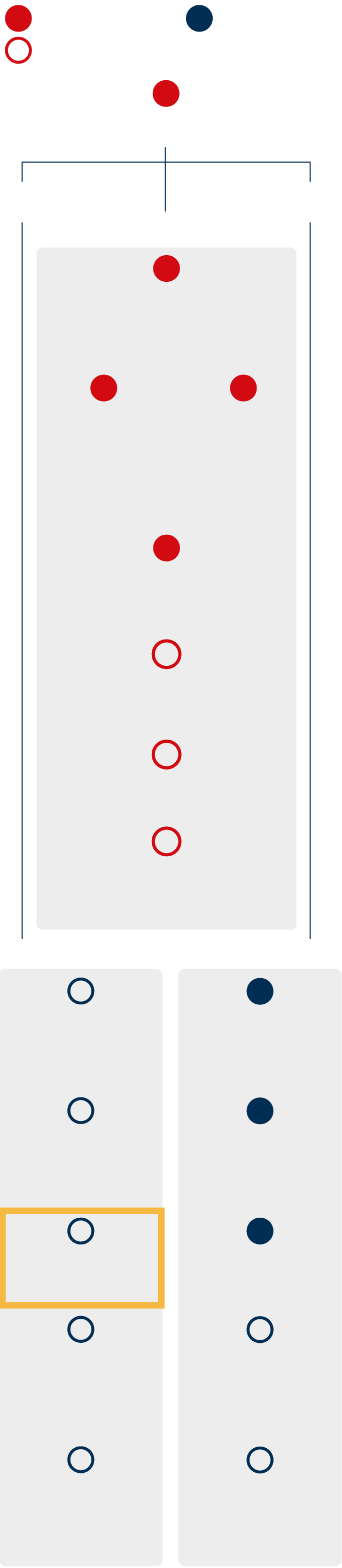
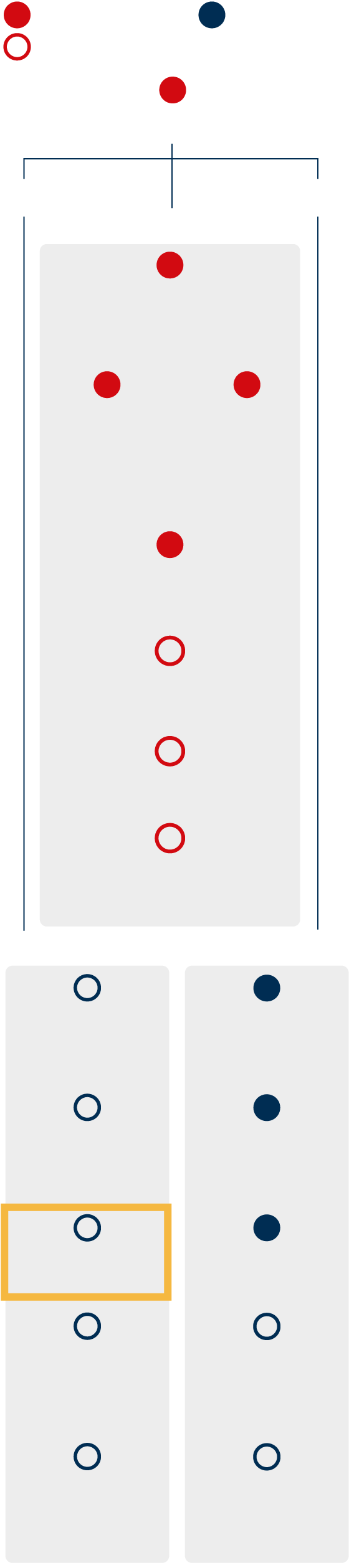
Analysts emphasize the context in which he came to power, since until a few years ago it was said that although he had a chance of attaining the position, it was remote. Following the growth of his internal power, Mukhta Khamenei's name had been gaining traction in recent years, even before the US and Iranian bombings that began on February 28, in which Washington and Tel Aviv assassinated several high-ranking Iranian officials. His appointment, made by an Assembly of Experts composed of 88 clerics, is not by default, but rather represents a demonstration to the outside world that the regime is still alive, even if this might suggest a notion of hereditary power contrary to the principles of the Islamic Revolution, which overthrew a monarchy.
The new supreme leader is the second of Ali Khamenei's six children. He lost his father, mother, and wife in the US and Israeli bombings. The deaths of family members and his position in the regime's hardline wing will hardly favor an understanding with Trump and Netanyahu. Especially since Donald Trump himself warned on Thursday that he would not accept Ali Khamenei's son as his successor.
