Burnham insists on the need to bring the United Kingdom closer to the European Union
Brussels and London will hold on November 20 a key summit for British interests

-
CAT -
CAST
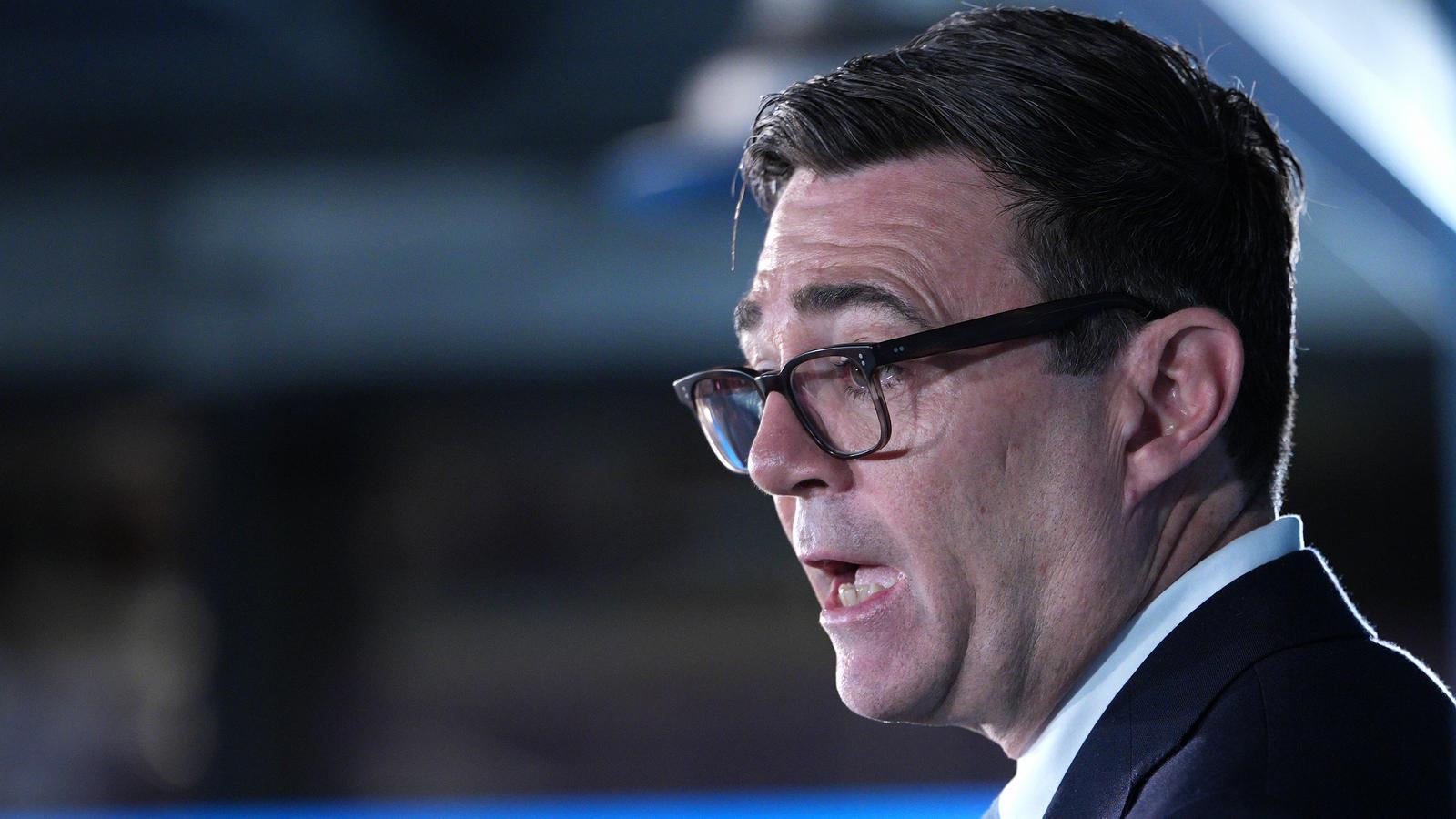
LondonWith eyes set on November 20, when the European Union and the United Kingdom will hold a new summit in Brussels to seal a pact cooked up by former premier Keir Starmer, the current British Prime Minister, Andy Burnham, assured the Commons this Monday: "I do not intend to reopen the [Brexit] referendum." But, at the same time, in a verbal pirouette that practically implies a double negative – and therefore, an affirmation – he has left the door open to any possibility.
More or less, he ratified in parliamentary session the same thing he said a few days ago at his party's annual conference, that it is possible to consider in the long term "going all the way": in other words, the return to the EU.
But if he achieves it, it will always be in the medium or long term. Because to a question from Conservative MP Edward Leigh, who quoted verbatim previous words of the same premier, he has committed, "unequivocally," not to attempt for the United Kingdom to re-enter the EU "unless there is a general election first" and he offers the British people a full-fledged referendum.
With great caution, while advocating for a "transparent and pragmatic approach," Burnham has for weeks introduced into the public debate the idea of a renewed relationship with the Twenty-seven.
According to his words, the summit with the EU represents "an opportunity to advance on two crucial issues: boosting the United Kingdom's economic growth and controlling illegal immigration." And emphatically, the premier assured that "not working to strengthen ties with the EU would be a dereliction of duty."
Maintaining the status quo, Burnham also said, would be insufficient. In any case, the immediate priority for Downing Street is "to seal a satisfactory agreement at the summit." And subsequently, "looking at the world as it is today, with calm, lucidity, and rationality to assess what is best for our country," he would consider going further. That is to say, "to open a serious dialogue about the different options for our long-term relationship" with the EU. The premier assured that "at every stage, it will be the British people who will have the final say."
The Prime Minister is a convinced advocate of embracing the Union again, and of the economic benefits it would entail, especially for a country with growth that barely reaches 1% per year. Last year, during his party's conference, while still Mayor of Manchester, Burnham stated that he hoped to see "in his lifetime the return of the United Kingdom to the EU".
Youth and agri-food agreement
But despite what he himself proclaimed at the end of September at this year's Labour Party conference, that the divorce with Brussels "has done more harm than good" to the country and that, according to polls, a majority of Britons (approximately 60%) would now vote in favor of remaining in the Union, Brexit continues to be a minefield. Reopening the debate is opening Pandora's box and serving up an argument on a silver platter to the Conservative Party, which always uses the term "betrayal" when it is discussed, and also to the far-right represented by Nigel Farage and his Reform Party.
Burnham has denied it, however. "I respect" the result of the 2016 referendum, he said. But he insisted that the possibility of "reviewing the relationship with the EU in the long term to foster growth, control immigration, and guarantee British security and values" must remain open.
At the summit on November 20, the European Commission and the British will have on the table, among other matters, an agri-food trade agreement, the interconnection of energy markets, an emissions trading system, a youth mobility program and more police cooperation.
The Conservative leader, Kemi Badenoch, has rejected this approach. "The last thing we should do right now is reopen these debates. It won't get a better deal. The EU is a tough negotiator," she told him, forgetting that previous prime ministers of her party, such as Boris Johnson and Theresa May, claimed the opposite and were convinced that they would wring "the best of both worlds" out of Brussels.
