"My father died when I was 14 years old, and then I realized that my mother was the one who worked the most"
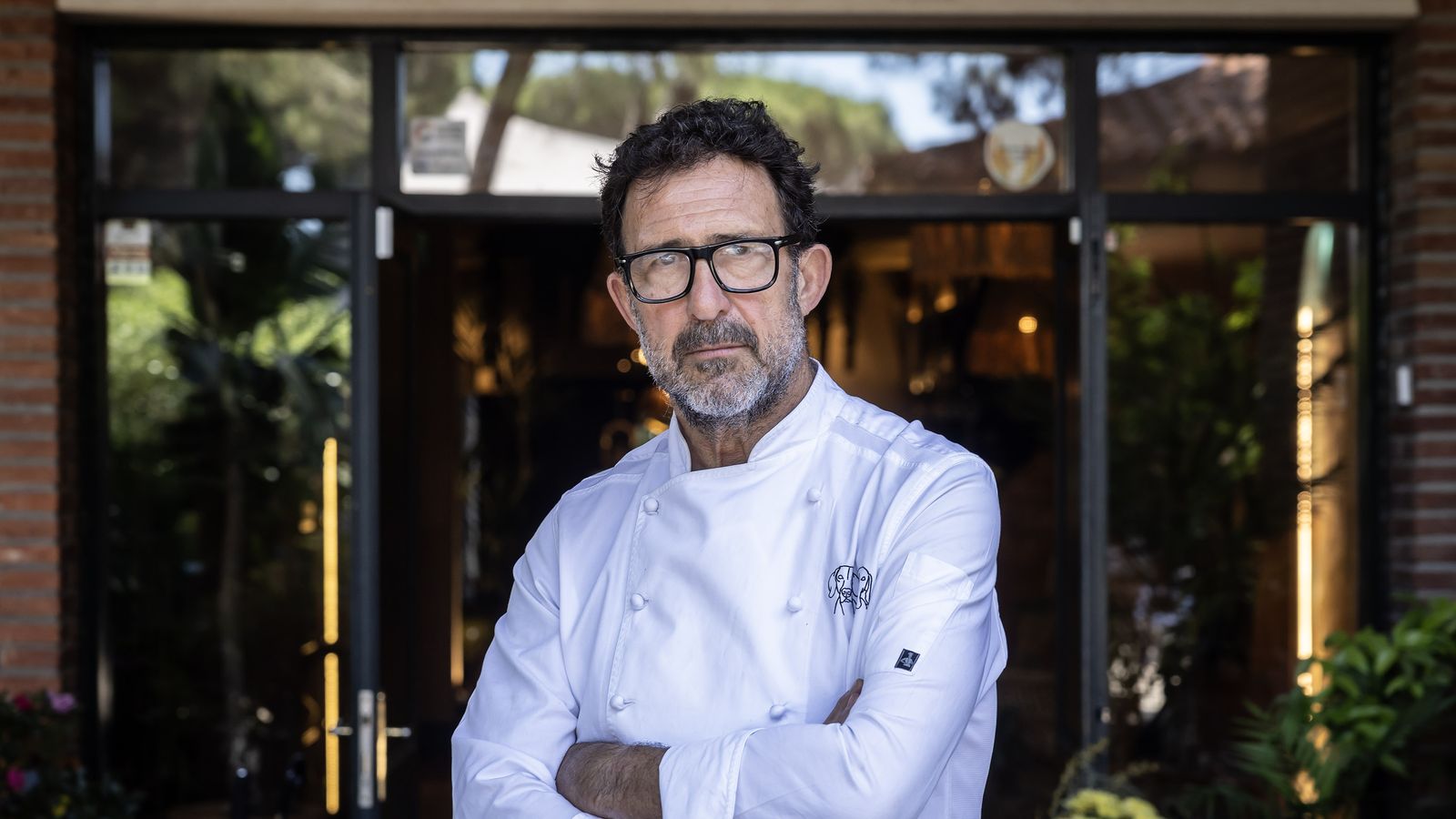
The cook Òscar Manresa has created the Catalina Foundation to train people at risk of social exclusion in cooking, and also prioritizes the fight against food waste

-
CAT -
CAST
Gavà SeaChef Òscar Manresa has created the Catalina Foundation, named after his mother and the restaurant he has in Gavà Mar. "One day I told myself that I wanted to do something more than cook at the restaurant," he says, and above all he explains that he saw it clearly during the pandemic, six years ago, when he then had Casa Leopoldo in Barcelona along with chef Romain Fornell, and there he began to prepare lunches for hospitals, for associations. When restaurants were able to reopen normally, he cooked meals for organizations once a week from the Catalina restaurant instead of every day, as he had done until then. "And I took it to the San Lorenzo residence." That's when he thought that, in addition to distributing dishes, he wanted to go further: "I thought I wanted people to have a day where they enjoyed the food, where they learned to make recipes at home, and all this that I was thinking about I had to do with a foundation".

Linking food with people's emotional health is basic for the cook of the restaurant Catalina and Torre d’Alta Mar. "My father died when I was fourteen years old, and then everything changed: I started working every afternoon; my brother and my mother, too, but I realized that my mother was the one who worked the most, at home," he says. The Manresa family lived in Barceloneta, and his mother worked outside the home, at home, and took care of the children. "She never went out to eat at a restaurant; she couldn't, and that also made me think about creating the foundation." It's not just about giving food, although that too, but about people enjoying food, so that one day they can "have a celebration," and it is with these ideas that he has professionalized everything. At the head of the Catalina Foundation, he has a director, Maite Ferré, who dedicates herself to it daily.
Initiative against waste
With the Foundation, the chef has gone to teach classes on how to make a Spanish omelette at a church in L'Hospitalet de Llobregat. "One day I taught Latin American women how to make Spanish omelettes in a church in L'Hospitalet de Llobregat," he says. He has also prepared food for baptisms and communions. All this has been done through agreements with social entities, schools, businesses, and restaurants. "There are schools that have a daily surplus of 10% of food, because they have made too much food, because children have not stayed to eat, for whatever reason, and it is difficult to reuse it from a sanitary point of view, but there is a way to do it: if the food has not left the kitchen, if it has been kept in a refrigerated place, then it can be reused." And so, with the regulations in hand, that's how the Catalina Foundation reuses food from schools, festivals, caterings, and many other places they collaborate with. "They freeze it at the source, we put a label on it indicating the date and allergens, and then we collect it with a refrigerated van and give it to entities that are responsible for distributing food," says Manresa. In other words, the Catalina Foundation does all the preliminary organizational work so that the entities that have contact with the population at risk of exclusion can give them the food. "There are restaurants that give us food, but it does not come from any leftover stock, but rather they want to collaborate with us, with the foundation, and then we give them a donation certificate, which they can use to deduct taxes".
Other tasks of the foundation include the placement of young chefs in restaurants. "We collaborate with the Barcelona Culinary Hub, a cooking school, and students do their cooking internships at Catalina." With the collaboration of social entities, the chef Òscar Manresa has also placed undocumented young people in his restaurants. In this regard, close work with social entities is fundamental for the Catalina Foundation, because it is how they make connections to reach the population with all the kitchen-related tasks they want to promote: meals, placement, spreading cooking knowledge, and offering food for a special family celebration. With all the chef's contacts, the activity of his foundation can grow. "Now I have joined forces with the Gasol Foundation, with whom we will collaborate in designing diets for children. Did you know that in Castelldefels the Gasol brothers have built a basketball court?".

