Nestlé eliminates artificial colorants: why does it do it? Are they dangerous?
The company plans to eliminate them worldwide by the end of 2026 due to growing consumer pressure to reduce synthetic additives
-
CAT -
CAST
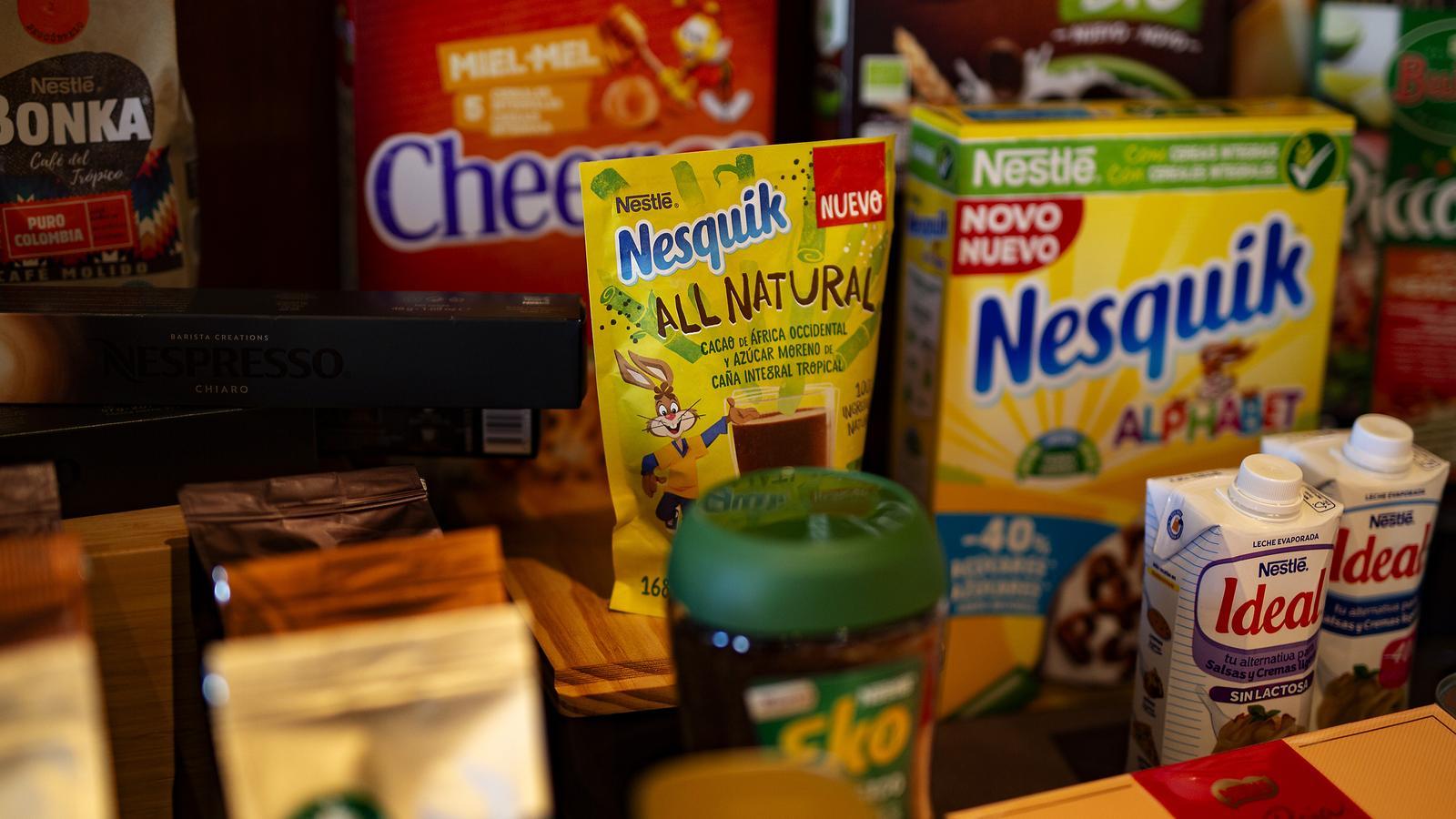
A few weeks after Nestlé confirmed the successful removal of artificial colors from its products in the United States, the company has announced that it will extend the measure globally. Thus, the multinational has committed to eliminating these additives from all its products before the end of 2026, as confirmed by Nestlé's chief technology officer, Stefan Palzer. With this news, Nestlé would become one of the first major multinationals in the food industry to take this step.
The measure, which expands Nestlé's efforts beyond the United States, comes at a time when food companies are facing increasing pressure to offer healthier products. The move also coincides with a boom in the sale of GLP-1 based weight-loss medications, those drugs that promote significant weight loss, the best known of which is Ozempic. the best known of which is Ozempic. In this context, food manufacturers have been removing ingredients such as synthetic dyes and sweeteners from their products.
"It was not an easy decision," Palzer stated, adding that Nestlé has been investing in this transition for years. "We have had to do a lot of R&D work, as all natural solutions must be evaluated, tested during production, and their shelf life checked," he detailed.
Overall, Nestlé's decision and global commitment could end up paving the way for the rest of the food industry and accelerating a trend that has been gaining ground for years. "This work did not come about overnight," noted Nestlé's executive director in the United States, Marty Thompson. In fact, he detailed that it is based "on years of progress and the constant commitment of the teams to improve recipes and continue protecting what people know and love".
Are artificial colors really dangerous?
The United States Secretary of Health, Robert F. Kennedy Jr. and the Food and Drug Administration (FDA) announced in April 2025 their intention to phase out ingredients such as artificial food colorings. North American authorities argue that several studies have linked these additives to disorders such as ADHD, obesity, and diabetes. However, the scientific community considers that further research is needed before establishing a causal relationship.
Beyond the scientific debate about these additives, Nestlé's decision also responds to a change in consumer preferences. "We've done it because consumers don't like artificial ingredients. They want simpler recipes," assures Stefan Palzer. The decision is also part of the trend known as "net label, describing consumers' growing preference for products with shorter labels, with the minimum possible ingredients and components they perceive as more natural.
