What should we do with the forests?

-
CAT -
CAST
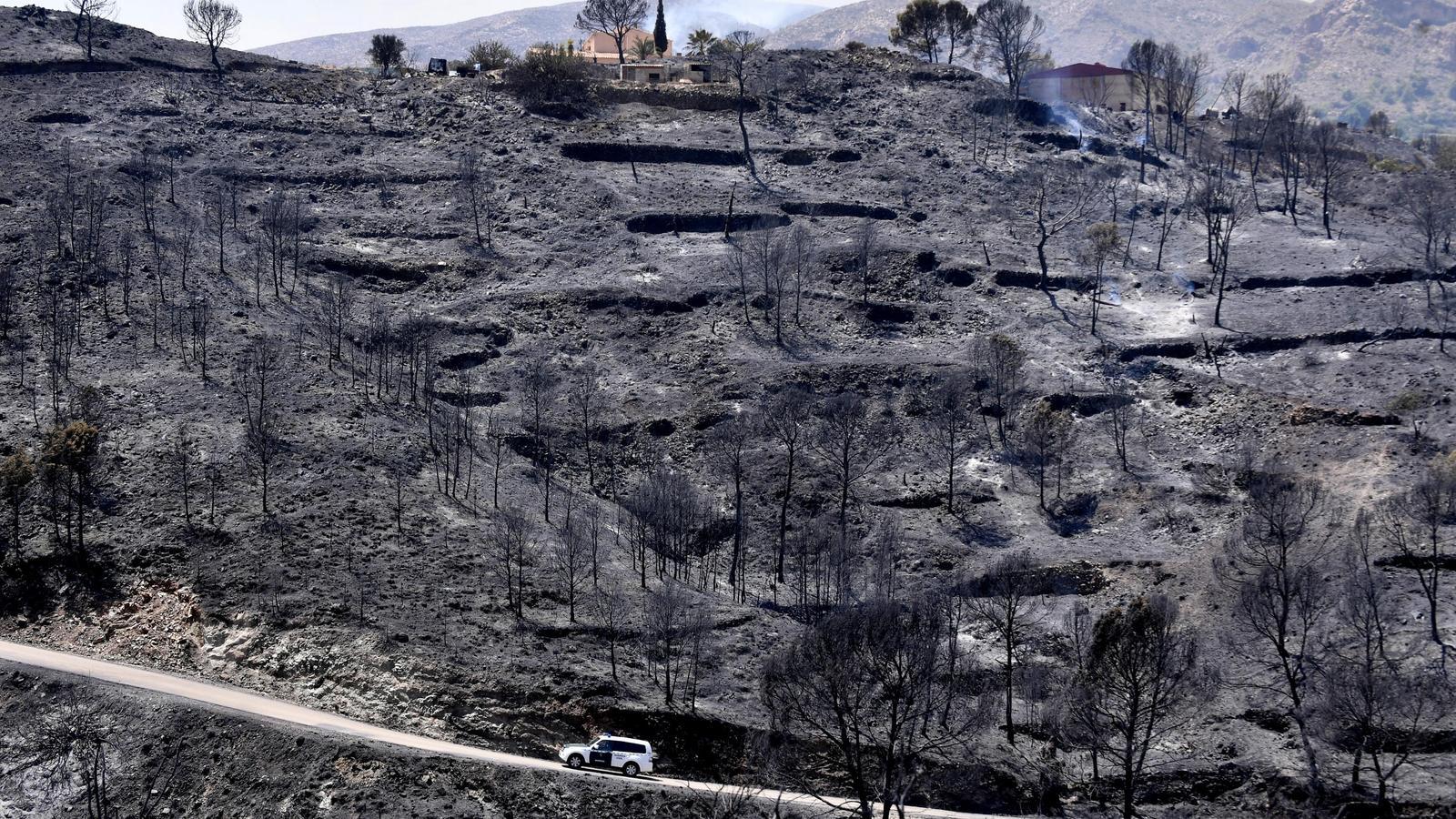
We are on fire again. The wildfire summer has started very early, driven by extreme heatwaves that have added to an abundant forest mass, with great fire potential, due to the rainy spring and winter that preceded us. In Almeria, the fires have been tragic, with a very sad human cost. Social alarm is, therefore, entirely justified.
The most worrying thing about what is happening to us is that it has all the makings of becoming a new normal. On the one hand, we know that we will have to live with fires, which are an intrinsic phenomenon of the Mediterranean, but, on the other hand, their growing virulence is leading us to critical, frightening situations. And no matter how much we carry out citizen awareness campaigns and have well-prepared Firefighter corps – the Catalan corps has deserved citizen and international prestige – there will never be enough resources. Awareness and extinction have limits. Where we need to advance more, and where less has been done, is in the integral management of forests.
The current scenario places us in what has been said so much and done so little: fires are put out in winter. Forest management is crucial. Why are we not doing it? How should it be done? Who should do it? The agricultural abandonment and rural exodus of the second half of the 20th century until today mean that 64% of Catalonia's surface is forested. 70 years ago it was 35%. We have gone from a mosaic of fields, pastures, and meadows to a dense and young forest continuum, growing without control.
What technical actions would be necessary? Thinning, selective felling, clearing and pruning, planting different species, using livestock to clean the undergrowth, opening access roads, and creating protection strips around inhabited areas... All this requires investment. And investment must be linked to economic sustainability.
Before, wood, cork, and charcoal were extracted from forests. Today, all of that is no longer profitable. A large forest property is worth less than an apartment in Barcelona's Eixample. One hectare of forest costs 1,200 euros, while repairing it or carrying out some kind of management incurs an expense of 1,500 to 2,500 euros. Until operations are economically sustainable, or at least do not generate losses, progress will be difficult.
Tax deductions or subsidies alone – from Europe, from the Generalitat – will not get us out of this. Bureaucracy doesn't help either. 76% of forests are privately owned. And 90% of these forests belong to only 10% of the owners. And even in these cases, they struggle to generate profit. Without a doubt, a national plan is needed that includes close public-private collaboration. It's time to promote quality labels for local wood (most is imported), it's time to make large investments, citizen environmental philanthropy and insurance should be promoted.
The forest has owners, of course, but at the same time, people feel it's theirs. The landscape is a common good. Turning this private-common duality into concrete policies that give economic value to the forest is a major and complex challenge. A challenge, however, essential in the fight against fires.
