The amnesty law makes its way

-
CAT -
CAST
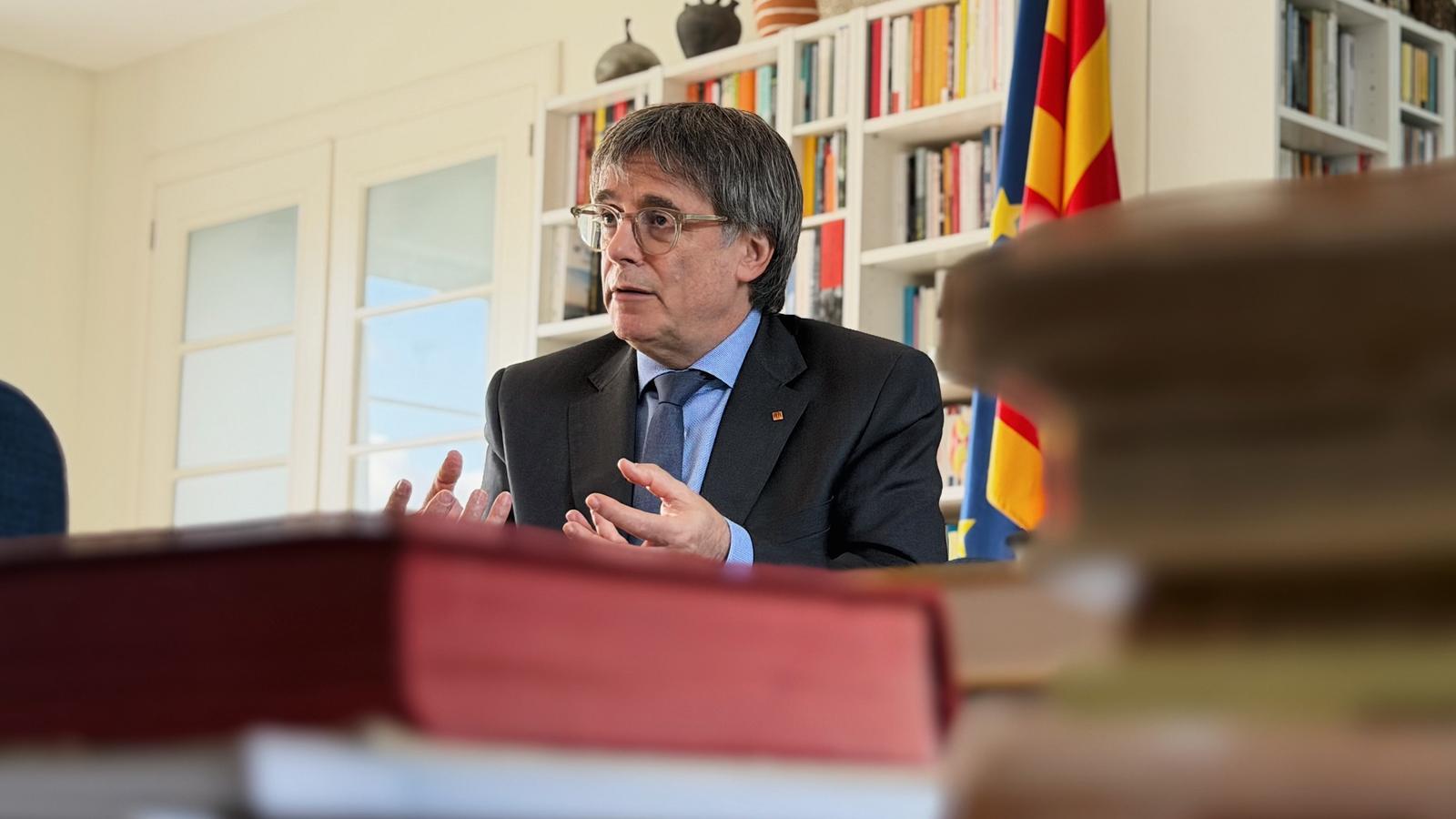
BarcelonaSome day the history of how the Spanish judiciary conspired to prevent the application of a law democratically approved by the Congress of Deputies, as was the amnesty for those convicted and accused for the 'Procés', will have to be reconstructed, but luckily more than three years after its entry into force, light is beginning to be seen at the end of the tunnel. This Tuesday, September 22, the majority in the Constitutional Court has materialized to remove the last obstacle placed by the Supreme Court, which is to consider that the crime of embezzlement is not eligible for amnesty. The plenary session of the TC has rejected the proposal of the conservative magistrate José María Macías where this thesis was maintained and Jordi Turull's appeal against the decision not to apply the amnesty to him was dismissed. Now Macías will have to draft another proposal in the opposite direction.
In any case, the president of the TC, Cándido Conde-Pumpido, has a bullet in the chamber to avoid any dilatory maneuver by Macías, which is to change the agenda to include in the next plenary session the appeal of Dolors Bassa, which fell to him, and according to various sources he would even have the resolution already drafted. Thus, whatever happens, in the next plenary session of the TC, scheduled for the week of October 5 to 9, the approval of the sentence that will open the doors to the total application of the amnesty to all the political leaders of the 'Procés' is guaranteed. Afterwards it will be the turn, in the specific case of Carles Puigdemont, of the investigating judge Pablo Llarena, who will have to lift the arrest warrant, and of the Supreme Court, which will have to definitively archive all the cases related to the 'Procés' that it still keeps open. The forecast is, therefore, that Carles Puigdemont and the rest of the exiles will be able to return to Catalonia throughout the next month of October. For other leaders, such as Turull himself and Oriol Junqueras, their disqualification will be lifted, so they will be able to run normally in elections and hold public office. It will undoubtedly be the end of a long road that began first with the pardons, continued with the repeal of the crime of sedition and then with the negotiations for the investiture of Pedro Sánchez.
From Catalonia, perhaps there is not enough awareness of the implications that the amnesty has had for the Spanish political system and its deep state. It was this law that provoked the famous "whoever can do, let them do" by José María Aznar, which originated an offensive never seen before against a Spanish government from the de facto powers of the State, especially the judicial, but also the economic and the media ones. President Puigdemont has said that when he returns he wants to take the pulse of the country, and he will surely verify firsthand that many things have changed since 2017 in Catalonia, but also in Spain. Basically, that the hostility that sectors of the State and the Spanish political right have historically had against the national aspirations of Catalonia has now also extended to the current PSOE and, very specifically, against its leader, Pedro Sánchez.
