Ceuta: a bad management that has resulted in internal shock

-
CAT -
CAST
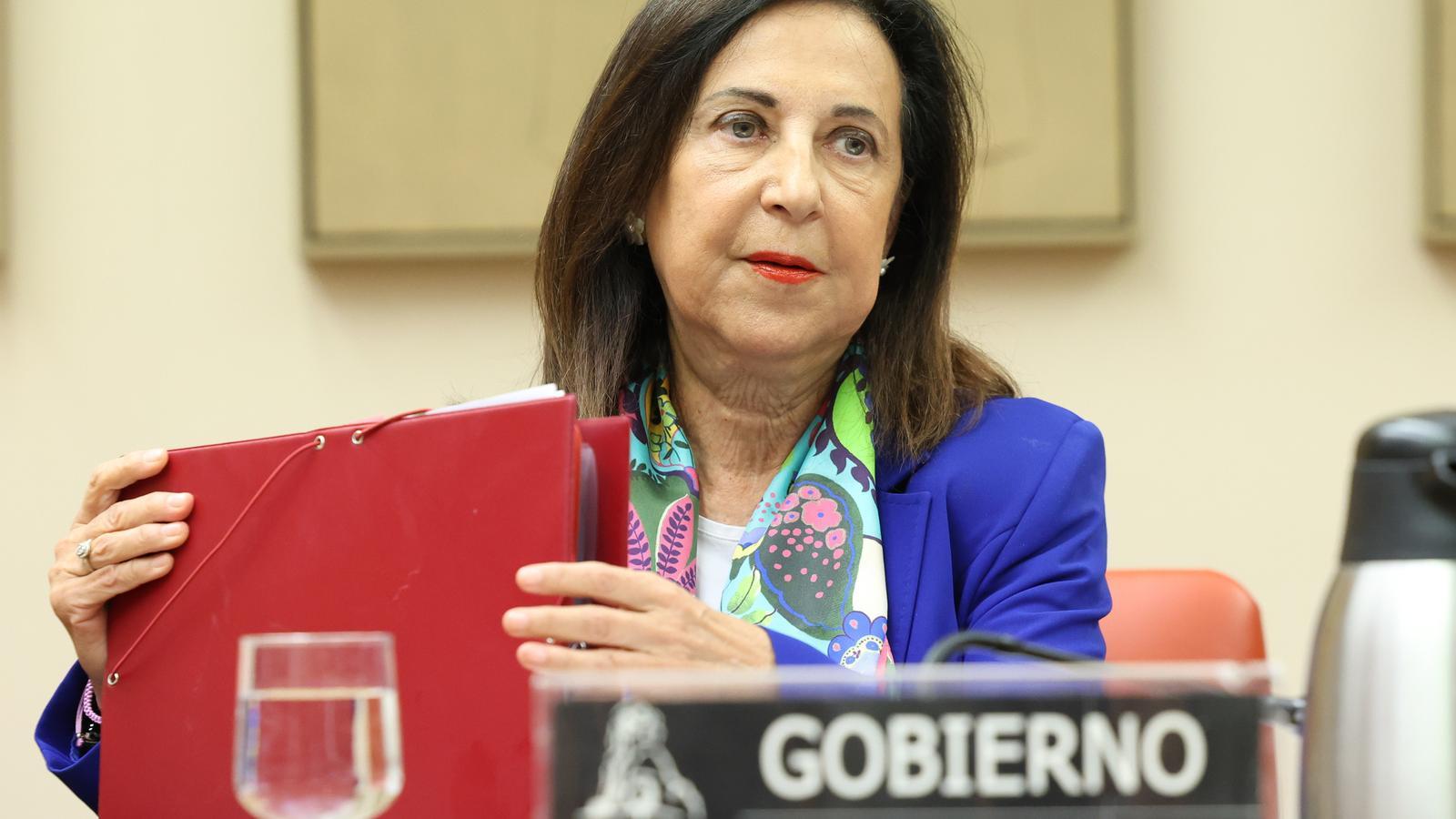
BarcelonaAlmost a month later, the Ceuta crisis is not only far from being resolved, but has led to an unprecedented internal clash within the executive between Margarita Robles, Minister of Defense and head of the CNI, and Fernando Grande-Marlaska, Minister of the Interior and in charge of border surveillance. The former defended the CNI's role in the entire crisis on Tuesday and stated that they did verbally warn the Spanish government delegation of an increase in immigrant entries, without specifying the magnitude, however. The latter, on the other hand, insists that no one warned them of what was coming around July 30 – when around 70,000 people entered Ceuta by swimming – and even less so in writing. The government delegation in Ceuta even issued a statement on Tuesday to deny the minister, and this Wednesday Minister Ángel Víctor Torres, who holds the sole command of the crisis, has aligned himself with Marlaska, thus leaving Robles in a very delicate position within the executive. The PSOE spokesperson in Congress, Patxi López, has tried to downplay the internal crisis by stating that
On Tuesday, Robles made an exercise in political tightrope walking to save the CNI's honor, but the truth is that at this point we do not know exactly what information the intelligence services had and what they transmitted to the authorities. Therefore, it is urgent that the Official Secrets Commission be convened and that the director of the CNI, Esperanza Casteleiro, who we recall replaced Paz Esteban after the Pegasus scandal, appear before it. If, as it seems, the CNI was not capable of anticipating the massive entry of immigrants despite the calls circulating on social networks, Casteleiro should assume responsibility and place her position at the disposal of the government. And if they knew and did not transmit the information, it would be even more serious. And if they did and the Ministry of the Interior did not take any measures, then Grande-Marlaska should be the one to resign. Be that as it may, responsibilities must be clarified in a crisis that is putting Pedro Sánchez's government on the ropes and weakening its international standing.
For its part, the PP is also not performing much better in all of this. Its calls for the express return of immigrants remaining in Ceuta are demagogic, because everyone knows that the law does not allow it. Its refusal to accommodate unaccompanied minors in other autonomous communities directly harms the citizens of Ceuta, who are forced to bear the weight of the humanitarian crisis alone. And, finally, the threat from the Ceuta president, Juan Jesús Vivas, not to allow sports facilities to be used to house immigrants is a sign of the worst populism, breaking with a previously exemplary political trajectory. One can be very critical of Pedro Sánchez's management of the crisis, but not everything goes to get him out of Moncloa.
