Why is a meeting held in the mountains of Wyoming, USA, so important for the economy?
The markets await the message of the president of the Federal Reserve on inflation at the annual meeting of central bankers and politicians that is held from Thursday in Jackson Hole

-
CAT -
CAST
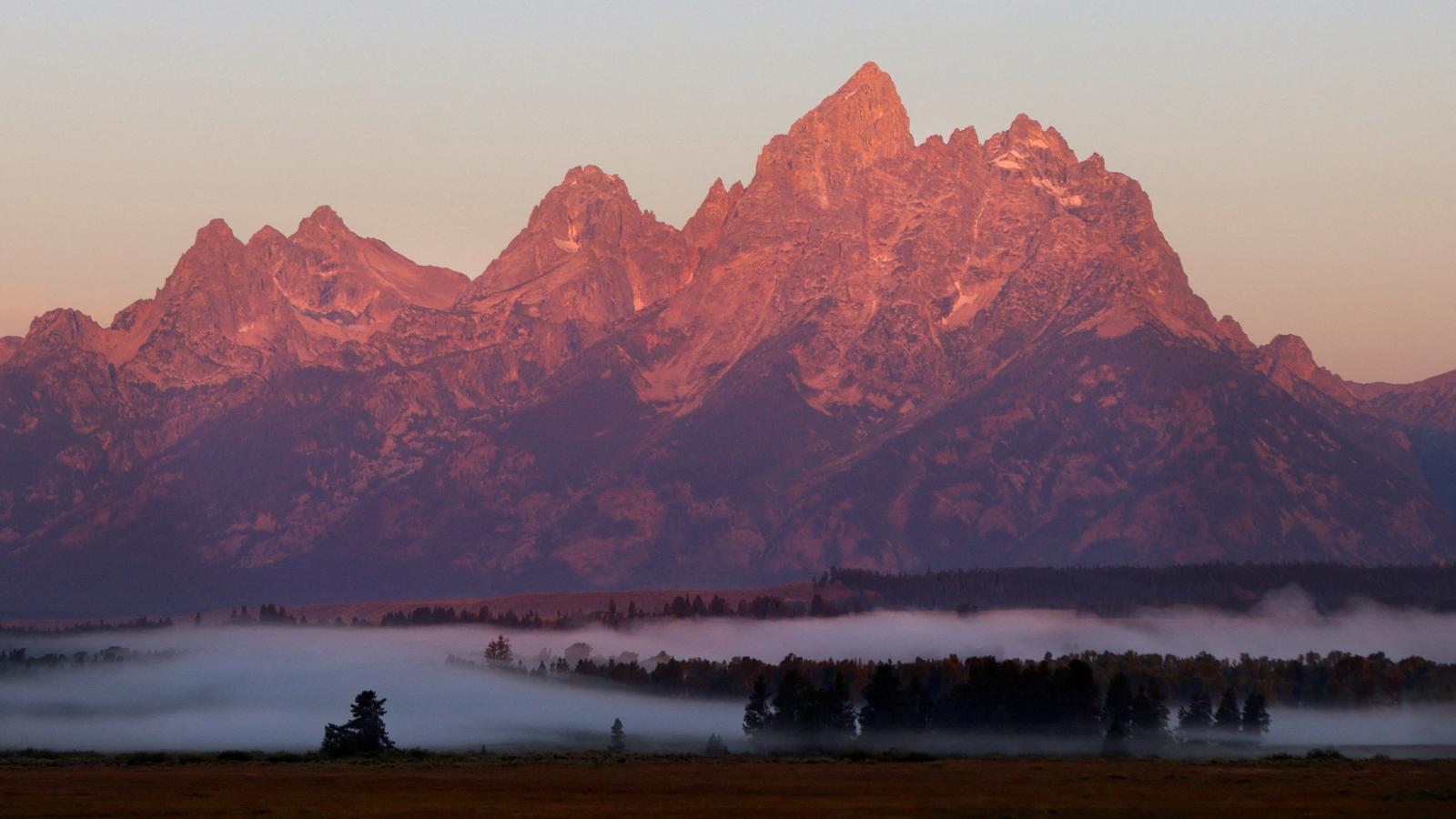
BarcelonaThe meeting of central bankers, academics, politicians and businessmen in Jackson Hole – the mountain area of the state of Wyoming, in the United States – which began this Thursday, marks the economic week and the start of the course. The summit, which lasts until Saturday, has an impact not only on the world's leading economy, but on that of the entire planet. It is expected that the president of the Federal Reserve (the Fed) of the USA, the country's central bank, Kevin Warsh, who replaced Jerome Powell last May, will give clues this Friday in his speech as host about his policy against inflation. In the time he has been in office, he has not yet clarified it. Despite assuring that his objective is that the general increase in prices be 2%, far from the current level, he has not explained what path he will follow to achieve it. This has generated doubts among investors.

Why does it matter what the Fed chair says?
Warsh, a trusted man of the country's president, Donald Trump, faces a real test of fire. Inflation, at 3.4% in the US in July, down from 3.5% the previous month, but still far from the 2% target, should lead to interest rate hikes. This is exactly the opposite of what Trump wants, who already launched a major offensive against the previous Fed tenant, Jerome Powell, for this reason.
Furthermore, the bond market is in a delicate moment, dominated by sales, with 30-year US Treasury securities yielding at levels not seen in two decades – just before the financial crisis. The interest on 10-year securities, which set interest rates for mortgages and other loans, is also rising. Investors fear price increases due to energy and other costs, as well as Washington's excessive deficit and debt, and are opting for sales. This has led the Treasury Secretary, Scott Bessent, to announce an increase in bond purchases to curb the rise in interest rates – the fall in security prices increases their yield and thus the cost for the administration – at a time when public debt has surpassed 40 trillion dollars.
Analysts interpreted this move by the Treasury as a sign that high yields generate political concern, with the midterm elections on the horizon on November 3. Warsh's message is awaited because the combination of artificially low rates (due to Treasury purchases) and high inflation without knowing the current Federal Reserve's recipe is making markets nervous.
Why are there consequences for the global economy?
If it is considered that Warsh, who will have the next Fed meeting on interest rates on September 16, is unclear, US bond yields will continue to rise. The increase in the yield of US debt increases the cost of credit for families and businesses, because US bonds are the benchmark for the entire global financial system. Its rise ends up being transferred to the interest rates of mortgages and other loans to individuals and businesses. And more attractive yields on US debt force the rest of the countries to offer more interest to attract the capital they need to finance their debt. In fact, the daily one-year Euribor, which is the benchmark used in Spain for variable-rate mortgages, has risen above 3%, to the level of September 2024, because a further increase in the price of money by the European Central Bank (ECB) is expected. The next meeting of the entity is on September 10.
Why is this meeting being held?
The Jackson Hole meeting aims to discuss the situation and challenges of the global economy and economic policy. This is why it is held in a secluded mountain location. The meeting is promoted by the Kansas Fed, the district that includes an area of Wyoming where the town of Jackson Hole is located. The first of these meetings was held in 1978. The first four were in Kansas City. From 1982 onwards, they were moved to the national park where they continue to be held. In fact, this location was chosen 44 years ago to attract who was then the chairman of the Fed, Paul Volcker, who was a great fan of fly fishing. And they succeeded, and Wall Street bankers and other central bankers signed up. Over the years, it has gained importance to become a traditional event before the political and economic year begins. Now, about 120 central bankers, politicians, academics, and journalists participate. All attendees, including journalists, are subject to what are known as the Jackson Hole Rules. This translates to the fact that one can speak and/or write about what is said in formal interventions, but the rest is governed by a kind of confessional secrecy. What is discussed in informal conversations at meetings, lunches, dinners, or over coffee cannot be disclosed, under penalty of not being invited again.
